Assessing medical equipment performance is crucial for healthcare providers. As stated by Dr. Emily Hart, a leading expert in medical technology, "A thorough evaluation is the key to ensuring patient safety and care quality." Her insights emphasize the importance of understanding how to effectively evaluate medical equipment performance.
When healthcare professionals assess equipment, they focus on various performance metrics. These include accuracy, durability, and ease of use. Each metric impacts patient outcomes directly. However, many facilities struggle with assessing equipment comprehensively. They often overlook critical aspects of performance that could lead to serious complications.
Practical evaluation methods exist, but they require diligence. Health systems must invest in training and proper protocols. Effective assessment not only maximizes equipment utility but also builds trust in clinical settings. As the landscape of healthcare changes, understanding how to evaluate medical equipment performance becomes increasingly essential.
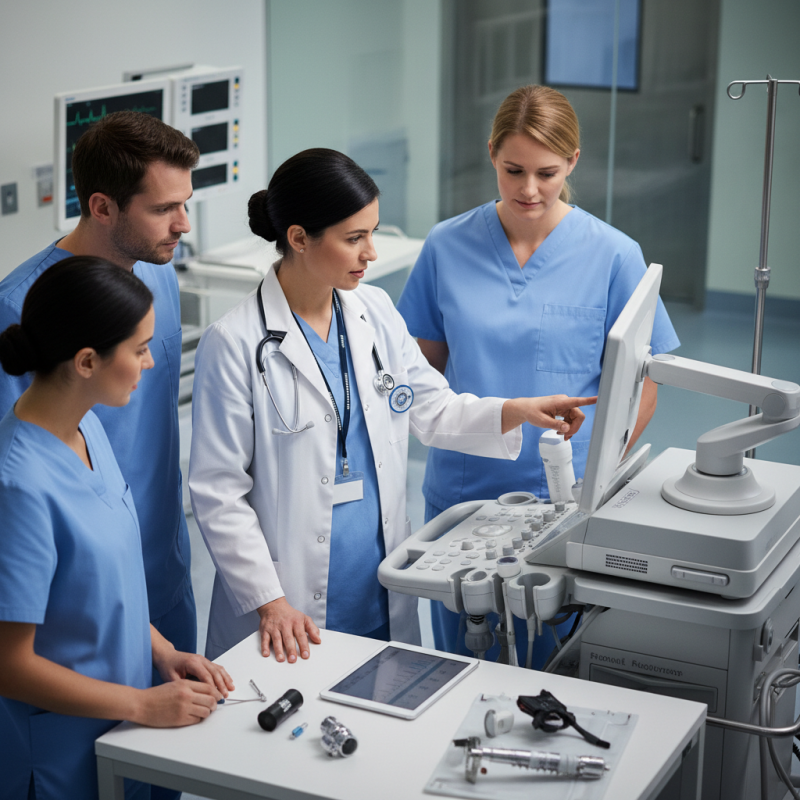
Key performance indicators (KPIs) are vital for assessing medical equipment performance. They enable healthcare professionals to gauge efficiency, reliability, and safety. Common KPIs include equipment uptime, accuracy of test results, and maintenance response time. Evaluating these metrics helps identify areas needing improvement.
Understanding how to collect and analyze data is crucial. Regular audits and feedback loops can enhance equipment functionality. For instance, tracking downtime can reveal patterns indicating when equipment needs servicing. Yet, these assessments should not solely rely on numerical data. Qualitative insights from staff can uncover issues often missed in data.
Implementing KPIs effectively requires commitment. Training staff to understand their significance fosters a culture of accountability. Hospitals may still face challenges, such as discrepancies in measurement techniques. Addressing these inconsistencies can prove difficult but is essential for reliable assessments. Balancing quantitative data and qualitative feedback can lead to better decision-making in equipment management.
Establishing benchmarks for medical equipment performance assessment is crucial. Reliable benchmarks provide a framework for evaluating effectiveness and safety. According to a study by the American Medical Association, approximately 30% of medical devices fail to meet safety standards. This statistic emphasizes the need for rigorous benchmarks.
When setting benchmarks, it's essential to consider various performance metrics. Key metrics include accuracy, reliability, and user satisfaction. A report from the World Health Organization states that devices showing a variance of more than 20% from established benchmarks warrant immediate review. This highlights the importance of continuous assessment.
Benchmarks should evolve with technology and user experience. Outdated metrics can mislead evaluations. Regular updates to benchmarks can reflect real-world challenges. In some cases, equipment performs differently in diverse settings. For instance, an imaging device might show varying results in urban versus rural hospitals. These nuances demand thoughtful reflection and adjustment of benchmarks to ensure relevant assessments.
Assessing medical equipment performance is crucial for ensuring patient safety and effective healthcare delivery. Collecting and analyzing performance data can significantly impact decision-making. Regular evaluations help identify issues early and promote better equipment utilization.
One effective method for collecting performance data is through routine inspections. These should include checking calibration, functionality, and cleanliness. Additionally, incorporating feedback from healthcare professionals can provide valuable insights into equipment performance in real scenarios. Listening to users often reveals unexpected flaws or areas for improvement.
Tips: Document all findings meticulously. This creates a useful reference for future assessments. Engage staff in discussions about equipment use; their experiences often highlight overlooked concerns. Statistical analysis of equipment usage can indicate trends and performance.
Remember, data analysis should not just focus on metrics. Consider contextual information. For instance, equipment might perform well in standard conditions but poorly under stress. Understanding these nuances requires a deep dive into the gathered data, fostering continuous improvement in equipment performance.
Engaging stakeholders is crucial for effective medical equipment evaluation. Stakeholders include healthcare professionals, patients, and administrative staff. Their diverse perspectives offer valuable insights into equipment functionality and user experience. A study showed that hospitals with active stakeholder involvement report a 30% increase in satisfaction during evaluations.
Healthcare professionals often identify specific needs that technical specifications may overlook. Their involvement leads to practical insights, ensuring the equipment meets real-world demands. A recent survey highlighted that over 70% of clinical staff preferred hands-on testing before procurement decisions. This emphasizes the need for direct engagement in the evaluation process.
Patients bring a vital perspective as end-users. Their feedback can highlight usability issues and other concerns that may not be obvious to professionals. Engaging them in focus groups or surveys can bridge gaps in understanding. However, many organizations neglect patient involvement, risking the effectiveness of their assessments. Balancing technical specifications with real-world user input is essential for successful equipment procurement.
Implementing continuous improvement strategies for medical equipment performance is crucial in today's healthcare landscape. According to a recent report by the World Health Organization (WHO), effective equipment management can reduce downtime by over 30%. This process involves regular assessments, feedback integration, and employee training. Hospitals should establish a culture of proactive maintenance, where staff routinely check equipment efficacy. This practice not only enhances performance but also fosters accountability.
Data from the U.S. Food and Drug Administration (FDA) indicates that regular calibration can improve accuracy by at least 20%. However, many facilities overlook this essential task, leading to inconsistent results. Equipment that is not frequently evaluated could cause misdiagnosis, impacting patient outcomes. Continuous monitoring systems can serve as a safety net, alerting staff to any performance discrepancies. Investing in such systems can yield significant long-term benefits for both patients and healthcare providers.
Hospitals must also gather insights from staff who use the equipment daily. Their feedback is invaluable and can reveal unnoticed issues. A lack of communication often leads to unresolved equipment problems. An open forum for discussing equipment challenges can foster improvement and innovation. As we strive for excellence in healthcare, addressing these gaps is vital for optimizing medical equipment performance.
: Benchmarks help evaluate effectiveness and safety of medical devices. They provide a reliable framework for assessments.
About 30% of medical devices do not meet safety standards, according to studies. This shows the need for strong benchmarks.
Important metrics include accuracy, reliability, and user satisfaction. These help ensure devices perform as expected.
Benchmarks should evolve regularly to keep pace with technology and experience. Outdated benchmarks can mislead evaluations.
Healthcare professionals often provide insights on equipment performance. Their feedback can reveal unexpected flaws needing attention.
Routine inspections check calibration, functionality, and cleanliness. They help identify issues early and improve device usage.
Document all findings meticulously. This creates a reference for future evaluations and helps track trends over time.
Understanding how equipment performs under different conditions is crucial. Standard metrics might not capture performance under stress.
Equipment may perform differently in urban versus rural areas. These variations require careful reflection and adjustment of benchmarks.
Statistical analysis shows trends and patterns in equipment usage. It helps identify areas that need improvement or additional focus.
Evaluating the performance of medical equipment is crucial for ensuring optimal healthcare outcomes. To effectively assess medical equipment performance, it is essential to understand key performance indicators (KPIs) that reflect the reliability, efficiency, and output quality of the equipment. Establishing benchmarks for these indicators forms the foundation for a comprehensive evaluation process, allowing for a clearer comparison against industry standards.
Methods for collecting and analyzing performance data are vital in this assessment, enabling healthcare facilities to identify trends and areas for improvement. Engaging stakeholders, including medical staff and technicians, in the evaluation process fosters a collaborative environment that enhances insights and buy-in. Finally, implementing continuous improvement strategies ensures that the performance of medical equipment is consistently optimized, ultimately enhancing patient care. This structured approach to "How to Evaluate Medical Equipment Performance" is pivotal in maintaining high standards within the healthcare industry.

MDV Medical