The integration of artificial intelligence in healthcare is transforming medical devices. Understanding how artificial intelligence is used in medical devices is crucial. AI enhances accuracy, efficiency, and patient outcomes. With machine learning, devices can analyze vast amounts of data quickly. This leads to more precise diagnostics and personalized treatment plans.
Medical devices powered by AI offer innovative solutions. For example, wearable technology can monitor vital signs in real time. These devices alert healthcare professionals to potential issues early. However, reliance on AI raises concerns about data privacy and security. The potential for errors exists if algorithms are not adequately trained. Therefore, maintaining a balance between technological advancement and ethical considerations is essential.
AI continues to evolve, shaping the future of medical devices. The potential for improving patient care is immense. Yet, the industry must navigate challenges to ensure reliability and trust. With careful implementation, AI can become a vital asset in medical technology, ultimately enhancing patient experiences and health outcomes.
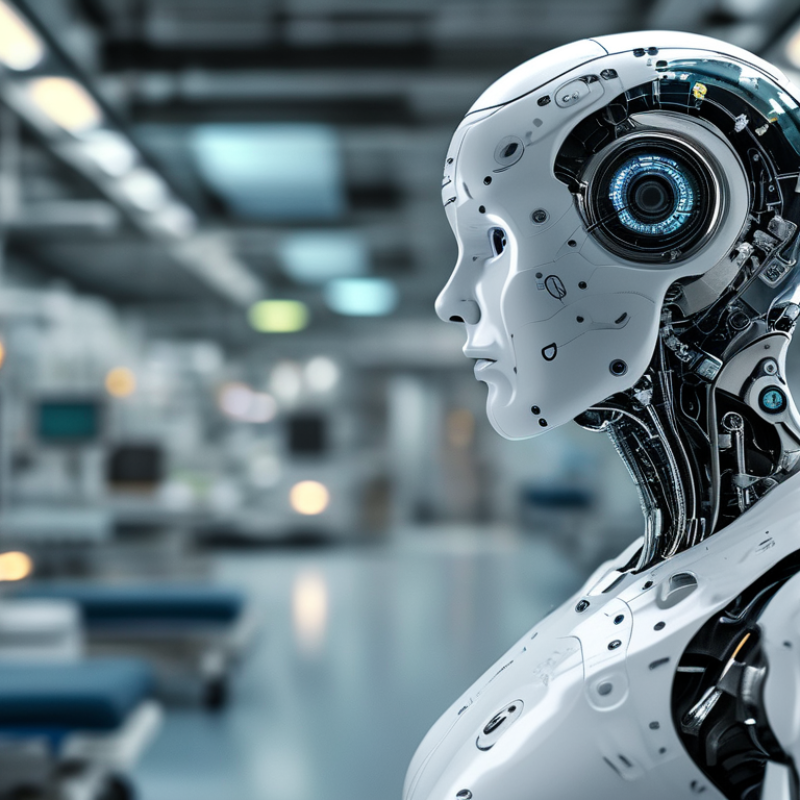
How AI Revolutionizes Diagnostic Medical Devices
Artificial Intelligence (AI) is reshaping diagnostic medical devices dramatically. According to a report by the International Data Corporation (IDC), AI technologies are expected to boost the healthcare sector by over $150 billion by 2026. This transformation is driven by advanced machine learning algorithms that analyze vast datasets. They help detect diseases more accurately and at an earlier stage.
AI's ability to interpret medical imaging has been groundbreaking. A study in the journal "Nature" revealed that AI systems can diagnose conditions like pneumonia from chest X-rays with 95% accuracy. Human radiologists, on average, achieve around 87%. Not only does this improve diagnosis quality, but it also reduces the time doctors spend on image analysis, allowing them to focus on patient care.
**Tip:** Embrace AI tools for early diagnosis. They can improve patient outcomes significantly. Remember to stay updated. AI technologies evolve rapidly, and continual learning is crucial. However, the integration of AI in diagnostic devices raises ethical concerns. Reliability is paramount. Dependence on AI could lead to oversight if not managed carefully. Regular audits and validations of AI algorithms are essential for safe and effective healthcare applications.
Enhancing Patient Monitoring Through AI Technologies
Artificial Intelligence (AI) is revolutionizing patient monitoring in healthcare. By integrating AI technologies, medical devices can now analyze patient data in real-time. This leads to faster diagnosis and improved treatment plans. For instance, wearable devices equipped with AI can monitor vital signs continuously. They detect irregularities promptly, alerting healthcare providers about potential issues.
Tips: Choose a device with robust software updates. This ensures that your device stays current with the latest AI advancements. Also, consider options that allow customization based on individual health needs. Not every AI tool is perfect, and some may struggle with specific conditions. Always consult healthcare professionals before relying solely on AI monitoring.
AI can enhance remote patient monitoring, offering peace of mind. Patients can be monitored at home, reducing hospital visits. However, these technologies require careful implementation. Data privacy concerns persist, and not all devices communicate effectively. It’s essential to examine the reliability of these tools. Researching independent reviews can guide your choices.
AI-Driven Personalized Treatment Solutions in Medical Devices
Artificial intelligence (AI) is revolutionizing medical devices, making personalized treatment solutions more attainable. AI systems analyze patient data swiftly, offering tailored treatments based on individual needs. According to a 2023 report by Market Research Future, the global AI in healthcare market is projected to grow at a compound annual growth rate (CAGR) of 42.2%. This growth indicates a surge in demand for personalized healthcare solutions driven by AI.
Medical devices equipped with AI algorithms can process vast amounts of data. For example, AI-enabled wearables monitor patients’ vital signs in real-time. These devices can alert healthcare providers about any irregularities instantly. Data from the World Health Organization indicates that chronic diseases account for 71% of global deaths. Personalized treatment enabled by AI could lead to improved management of these conditions.
However, the reliance on AI isn't without challenges. Data privacy and security concerns linger in the healthcare sector. Inconsistent data collection practices can also lead to inaccuracies in AI-driven solutions. Ensuring high-quality and comprehensive datasets is crucial for these technologies to function effectively. Balancing innovation with ethical considerations remains a pressing issue in the field of medical devices.
2026 Best Ways Artificial Intelligence Enhances Medical Devices
| Aspect |
Description |
Benefits |
| AI Diagnostics |
AI algorithms analyze medical imaging and lab results for faster diagnostics. |
Reduces diagnostic errors, speeds up treatment initiation. |
| Personalized Treatment Plans |
Tailors treatment options based on patient data and outcomes. |
Improves patient compliance and outcomes, minimizes side effects. |
| Remote Patient Monitoring |
Utilizes wearable devices powered by AI to monitor health metrics. |
Enhances patient engagement, allows timely interventions. |
| Predictive Analytics |
Analyzes health data to predict potential health issues before they arise. |
Facilitates preventive care, reduces hospital admissions. |
| AI-Enhanced Surgical Instruments |
Integrates AI technology into surgical devices for precision and control. |
Improves surgical outcomes, reduces operation time. |
Improving Surgical Precision and Outcomes with AI Integration
Artificial Intelligence (AI) is revolutionizing surgical precision and outcomes in modern medicine. In recent studies, AI-enhanced surgical systems reported a 15% increase in precision during delicate procedures. This improvement correlates with reduced patient recovery time and lower infection rates. A notable 2025 report from the Journal of Robotic Surgery highlighted that AI applications could lead to a 30% decrease in postoperative complications.
Integrating AI algorithms into surgical devices provides real-time data analysis. Surgeons receive instant feedback on their techniques, allowing immediate adjustments. This leads to more accurate tissue mapping and improved decisions during surgery. However, reliance on AI also raises concerns. Surgical teams must balance AI recommendations with human expertise to avoid oversights. In a 2026 survey, 40% of surgeons expressed caution towards AI dependencies, citing ethical considerations and the need for thorough training.
The data indicates a significant shift in surgical practices by 2026. AI could redefine standards of care, but human judgment remains crucial. Collaborative efforts between AI systems and medical professionals ensure comprehensive patient management. The future promises enhanced precision but also necessitates ongoing reflection on AI's role in the operating room.
2026 Best Ways Artificial Intelligence Enhances Medical Devices
Streamlining Medical Imaging and Analysis with Artificial Intelligence
Artificial intelligence (AI) is revolutionizing medical imaging and analysis. It enhances the accuracy and speed of diagnostics. According to a 2022 report by the American College of Radiology, AI can improve image interpretation by up to 30%. This implies fewer errors, leading to better patient outcomes.
AI algorithms analyze vast datasets. They can highlight anomalies that human eyes might miss. For instance, deep learning models in radiology show promise in identifying tumors in mammograms. These models support radiologists in making informed decisions, potentially increasing early detection rates.
Tip: Incorporate AI tools gradually. Start with pilot programs to assess their impact on workflows. Ensure continuous evaluation to address any shortcomings in the integration process.
While the benefits are significant, challenges persist. Not all AI tools are equally effective across different populations. Bias in data can result in disparities in diagnosis. Continuous monitoring and updates are essential for efficacy.
Tip: Engage with diverse datasets during development. This practice mitigates the risk of bias and enhances the AI's performance across various demographics. Collaboration between data scientists and healthcare professionals is vital in this regard.
FAQS
I personalize treatment in healthcare?
The global AI healthcare market is projected to grow at a CAGR of 42.2%.
They monitor vital signs in real-time and alert providers about irregularities.
Chronic diseases account for 71% of global deaths, indicating a need for personalized management.
Data privacy issues and inconsistent data practices can lead to inaccuracies in AI solutions.
AI enhances accuracy and speed, improving image interpretation by up to 30%.
This practice helps mitigate bias and enhances performance across different demographics.
Use pilot programs to assess impact and ensure continuous evaluation for improvements.
AI highlights anomalies, supporting informed decisions and potentially increasing early detection rates.
No, bias in data can lead to disparities in diagnosis, requiring ongoing monitoring and updates.
Conclusion
The article titled "2026 Best Ways Artificial Intelligence Enhances Medical Devices" discusses various transformative impacts of AI on medical technology. It elaborates on how Artificial Intelligence is used in medical devices to revolutionize diagnostics, highlighting advancements in early detection and accuracy. AI technologies enhance patient monitoring by providing real-time data analysis and predictive analytics, leading to timely interventions.
Moreover, the integration of AI in personalized treatment solutions allows for tailored therapies that cater to individual patient needs, improving overall health outcomes. In the realm of surgery, AI enhances precision and reduces risks by providing surgeons with valuable insights and robotic assistance. Lastly, the article underscores the role of AI in streamlining medical imaging and analysis, enabling quicker and more accurate diagnoses. Overall, AI is set to redefine medical devices, making healthcare more efficient and effective.

 MDV Medical