2026 Best Ways to Improve Hospital Equipment Efficiency?

Time:2026-05-28 Author:Madeline
0%

In today's rapidly evolving healthcare landscape, the efficiency of hospital equipment is paramount. Many facilities struggle with outdated systems and ineffective maintenance. This raises the crucial question: How to improve hospital equipment efficiency?

Hospitals must adopt innovative approaches. Updating training programs for staff can enhance equipment utilization. Regular maintenance schedules could prevent unexpected failures. The integration of smart technologies might also streamline processes. However, these methods require careful planning.

Some hospitals face financial constraints. Investing in new technology is challenging. Others might not prioritize equipment management. This can lead to operational inefficiencies. Reflecting on these challenges encourages a more proactive approach. Ultimately, the goal is to deliver better patient care while maximizing resource usage.
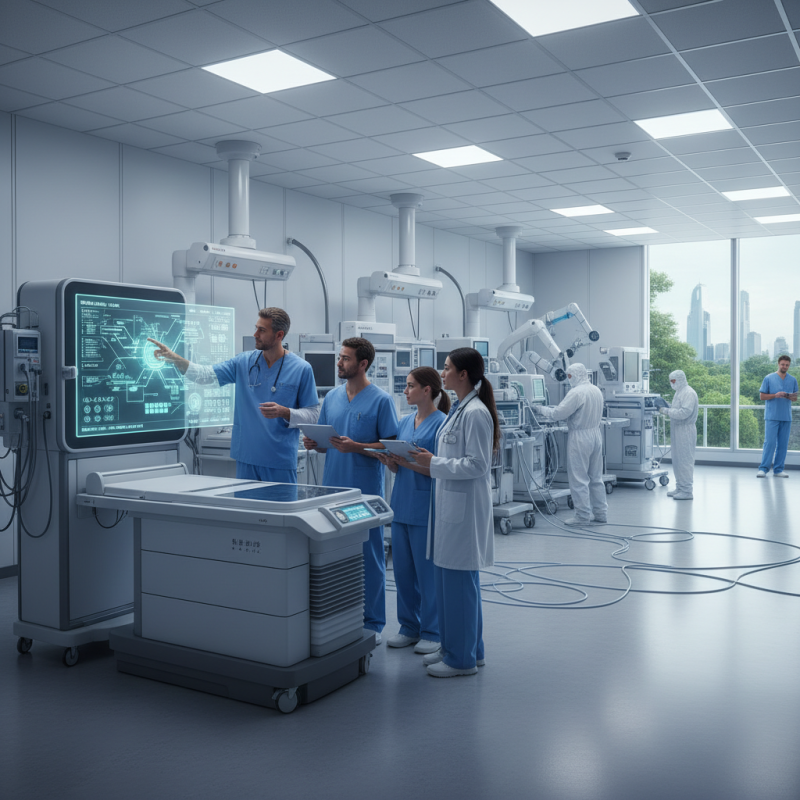
2026 Best Ways to Improve Hospital Equipment Efficiency?

Strategies for Conducting Equipment Inventory Management in Hospitals

Effective equipment inventory management is crucial for hospitals aiming to enhance operational efficiency. Regular audits of equipment ensure accurate tracking of assets. Hospitals can implement a barcode scanning system to simplify inventory checks. This method allows for quick updates and minimizes human error. However, some staff may resist new technology, causing initial disruptions.

Additionally, establishing a centralized inventory database can significantly streamline processes. This database should be easily accessible and updated in real-time. Staff training is essential to maintain consistency in data entry. However, resources for training can be limited, leading to gaps in knowledge. Addressing these challenges requires ongoing support from management and a commitment to developing staff capabilities.

Scheduled maintenance of hospital equipment should not be overlooked. Regular checks prevent unexpected breakdowns and extend the lifespan of assets. Yet, maintenance schedules can conflict with usage peaks. Hospitals must find a balance between maintaining equipment and meeting patient care demands. Cross-departmental communication is vital to navigate these complexities effectively. Creating a culture of accountability will enhance overall efficiency and reliability in managing hospital equipment.

2026 Best Ways to Improve Hospital Equipment Efficiency

Strategy Description Expected Outcome Implementation Timeframe
Regular Equipment Audits Conducting periodic evaluations of equipment condition and usage. Increased lifespan of equipment and better allocation of resources. Quarterly
Inventory Management Software Adopting digital tools to track equipment usage and inventory. Reduced manual errors and time savings in inventory checks. Immediate
Staff Training Programs Training staff on proper usage and maintenance of equipment. Decreased equipment damage and improved operational efficiency. Bi-annually
Centralized Equipment Repository Establishing a single point for all equipment allocation and tracking. Enhanced visibility and accountability for equipment usage. 6 months
Performance Metrics Monitoring Tracking key performance indicators related to equipment effectiveness. Informed decision-making for future equipment investments. Continuous

Implementing Predictive Maintenance Techniques for Hospital Equipment

Predictive maintenance is changing how hospitals manage their equipment. This approach involves using data analytics to anticipate potential failures. Hospitals can reduce downtime and maintenance costs with this strategy. By monitoring equipment in real-time, healthcare facilities can address issues before they become critical.

Implementing predictive maintenance requires a structured approach. Staff need training to interpret data effectively. Not all hospitals have the same resources, which can hinder progress. Some equipment may not support advanced diagnostic tools. Balancing technology investments with budget constraints remains an ongoing challenge.

Data integrity is key to predictive maintenance. Without accurate data, predictions can lead to errors. Hospitals must establish reliable data collection methods. Regular audits can help improve data quality. The journey to efficiency is ongoing and requires continuous refinement.

Integrating Technology Solutions for Real-time Equipment Monitoring

Integrating technology solutions for real-time equipment monitoring is essential in modern healthcare. Hospitals face constant pressure to improve efficiency and reduce downtime. Real-time monitoring allows staff to track equipment usage, detect malfunctions, and schedule maintenance proactively.

Implementing IoT devices can enhance visibility into equipment status. These devices collect data about usage patterns and alert staff when equipment needs attention. For example, a patient monitor that malfunctions can lead to severe consequences. With real-time monitoring, hospital staff can ensure that equipment is always functioning optimally.

However, integration comes with challenges. Staff must be trained to interpret data effectively. Without proper training, errors may occur. Additionally, reliance on technology can create blind spots. It is crucial to balance technology use with human expertise. Continuous evaluation of technology impact on workflows is necessary. This reflection can lead to better management and innovation in hospital operations.

Developing Staff Training Programs for Effective Equipment Usage

Efficient equipment usage in hospitals directly impacts patient care. Developing staff training programs is crucial. These programs enhance staff skills and ensure proper equipment handling. Regular training sessions can address common misuses. They should cover the different functionalities of each device and how they can aid in patient recovery.

Tips: Encourage hands-on learning during training. Create scenarios to practice with equipment. Simulate emergencies to teach quick responses. Use case studies to demonstrate mistakes and learnings. This practical approach allows staff to retain knowledge better.

Involving experienced staff in training is vital. They can share personal experiences and best practices. Continuous education reinforces the importance of proper techniques. However, not all staff may engage during training. Some may resist change, preferring old habits. It’s essential to foster a culture of openness and learning to overcome these challenges. Adjust training programs based on feedback to make them more effective.

Analyzing Patient Flow to Optimize Equipment Utilization and Efficiency

Analyzing patient flow is essential for optimizing hospital equipment utilization. According to a study by the Healthcare Financial Management Association, inefficient equipment usage can lead to a 30% increase in operational costs. Hospitals often have underutilized assets. This can impact patient care and lead to longer wait times. By improving patient flow, hospitals can ensure that equipment is used effectively, enhancing overall productivity.

Understanding how patients navigate through care pathways is vital. A report from the Institute for Healthcare Improvement suggests that hospitals that analyze patient flow can decrease equipment idle time by up to 25%. Visualizing patient movement helps identify bottlenecks. When providers are aware of peak times, they can allocate resources more effectively. For example, adjusting the scheduling of surgeries can free up operating rooms during busy hours, improving access for patients.

However, challenges remain. Some departments may resist changes in workflow. Adopting new technologies also requires training and a cultural shift. Hospitals must address these obstacles for equipment efficiency improvements. Engaging all staff in the process is crucial. Data collection and analysis can sometimes be misaligned, leading to incorrect conclusions. Therefore, continuous evaluation and refinement of strategies are necessary for lasting improvements.

2026 Best Ways to Improve Hospital Equipment Efficiency

This chart illustrates the average equipment utilization rates in various hospital departments in 2026. Analyzing patient flow helps identify areas for improvement in equipment efficiency.

FAQS

: Why is staff training important for equipment usage?

: Staff training enhances skills and ensures proper equipment handling, improving patient care significantly.

How can hands-on learning benefit training sessions?

Hands-on learning helps staff practice using equipment effectively and retain knowledge better.

What role does experienced staff play in training?

Experienced staff share personal insights and best practices, enriching the training experience for everyone.

Why is analyzing patient flow crucial in hospitals?

Analyzing patient flow optimizes equipment use, reduces wait times, and enhances overall productivity.

What impact does inefficient equipment usage have?

Inefficient usage can lead to a 30% increase in operational costs, affecting both care and resources.

How can hospitals identify bottlenecks in patient flow?

Visualizing patient movement helps hospitals pinpoint bottlenecks and allocate resources more effectively.

What challenges do hospitals face when optimizing equipment usage?

Resistance to workflow changes and the need for additional training can hinder equipment efficiency improvements.

Why is continuous evaluation important?

Continuous evaluation helps ensure strategies remain effective and adapt to changing circumstances in patient care.

How can hospitals improve staff engagement during training?

Fostering a culture of openness and adjusting programs based on feedback can enhance staff participation.

What mistakes may arise during data collection and analysis?

Misaligned data collection can lead to incorrect conclusions, requiring ongoing refinement of strategies.

Conclusion

Improving hospital equipment efficiency is essential for enhancing patient care and optimizing resource utilization. To achieve this, hospitals can implement several strategies. Firstly, conducting thorough equipment inventory management can help identify underutilized or outdated equipment, allowing for better allocation of resources. Additionally, predictive maintenance techniques can minimize equipment downtime by anticipating failures before they occur, ensuring that devices are always ready for use.

Integrating technology solutions for real-time monitoring allows healthcare professionals to track equipment performance and usage more effectively. Furthermore, developing staff training programs ensures that personnel are well-equipped to use the technology efficiently, ultimately fostering a culture of accountability. Finally, analyzing patient flow can reveal opportunities to optimize equipment utilization, ensuring that hospitals can meet patient demand without unnecessary delays. By focusing on these strategies, hospitals can significantly enhance their operational efficiency and patient outcomes, answering the pressing question of how to improve hospital equipment efficiency.

Madeline

Madeline

Madeline is a dedicated marketing professional with a wealth of expertise in our company's core offerings. With a keen understanding of the industry, she brings a unique perspective to her role, consistently delivering high-quality content that highlights the superior aspects of our products. As......