Choosing durable medical equipment can be overwhelming. With so many options, it’s essential to be informed. Knowing "How To Choose Durable Medical Equipment" is crucial for your health and comfort.
Consider your specific needs and lifestyle. Will you use the equipment daily or occasionally? Take your time when exploring features and functions. Evaluate durability, maintenance, and user-friendliness. Ask yourself: Is this the best choice for long-term use?
Consult healthcare professionals for advice. They offer expertise tailored to your situation. Trust the information they provide. Feeling uncertain is normal. The right equipment improves quality of life. Don't rush this decision; reflect on your choices.
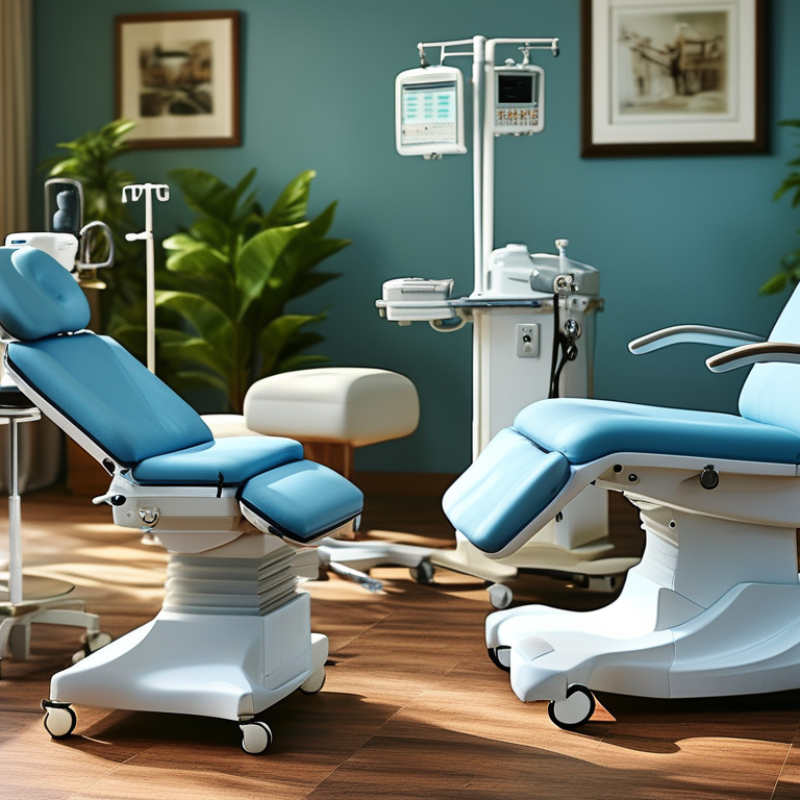
Understanding your medical needs and goals is essential when selecting durable medical equipment. Start by assessing your daily activities. Are you recovering from surgery? Or do you have chronic conditions that limit mobility? Your answers will guide you in choosing the right tools. Talk to healthcare providers for tailored recommendations. Their insights can help clarify what you truly need.
Consider the features that matter most. Is weight a concern? How about ease of use? An overly complex device can lead to frustration. Sometimes, simpler solutions are overlooked. Take note of your living space as well. Will the equipment fit comfortably? Is storage a challenge? These practicalities often reveal hidden issues.
Reflect on your long-term goals. Are you aiming for independence? Or is assistance required for specific tasks? Equipment should align with your aspirations. Be open to revisiting your choices as your situation evolves. This flexibility is vital. Durable medical equipment should enhance your quality of life, but it must fit your unique circumstances.
Choosing the right type of Durable Medical Equipment (DME) is crucial for ensuring both comfort and functionality in daily life. Each person’s needs vary significantly, so identifying the most suitable equipment is essential. Consider what activities you struggle with most: mobility, daily tasks, or managing health conditions. Reflect on these issues to guide your choices effectively.
Tips: Always consult healthcare professionals when selecting DME. They can provide insights tailored to your specific condition. Look for equipment that offers adjustable features. This adaptability can enhance comfort and usability as your needs change.
It’s important to remember that not all equipment is created equal. Evaluate materials, weight, and size to ensure they fit well within your home and lifestyle. Think about how often you’ll need the equipment. Sometimes, renting can be a practical option if your needs may change over time.
Lastly, be open to trial and error with your selections. What works for one person may not suit another. Take notes on your experiences. These reflections can help you refine future choices and lead to more satisfying outcomes in your quest for the right DME.
When selecting durable medical equipment (DME), evaluating the quality and durability is crucial. Data from the National Institute for Health shows that 35% of users report dissatisfaction due to equipment failure. Choosing high-quality materials can significantly reduce this risk. Items made from aluminum and stainless steel often outperform plastic counterparts in longevity.
Look for products that come with warranties extending beyond a year. A longer warranty period can indicate a manufacturer’s confidence in their equipment. Also, ensure the equipment meets the standards set by organizations like the FDA or ANSI. These certifications assure you of the equipment’s reliability and safety.
**Tip:** Always read user reviews. They can provide insights into durability that specifications alone may not reveal.
Evaluate the maintenance needs as well. Equipment requiring constant upkeep can be burdensome, especially for those with limited mobility. Consider whether the parts are easily accessible for replacements.
**Tip:** Calculate the total cost of ownership, including maintenance and repair, not just the purchase price. This approach often reveals the true value of the equipment over time.
Selecting durable medical equipment (DME) can seem overwhelming. Consulting healthcare professionals is essential. They understand your medical needs and limitations. A physician can provide personalized recommendations based on your health conditions. This tailored approach ensures you select equipment that truly fits your requirements.
Suppliers also play a crucial role in the decision-making process. Reliable suppliers offer a variety of equipment options. They can explain the features and benefits of each item. It's advisable to choose suppliers with a solid reputation. Ask for reviews or feedback from other customers. This helps in making informed choices. When evaluating your options, consider the warranty and return policies. Not all equipment will work perfectly for every individual.
Additionally, engaging in an open conversation with both healthcare professionals and suppliers often unveils hidden insights. Some may guide you toward higher-quality alternatives. But don't hesitate to question their suggestions. Sometimes, the first recommendation may not be the best fit. Engaging critically ensures you choose what truly meets your needs.
Choosing durable medical equipment (DME) requires careful consideration of cost and insurance coverage. It's crucial to assess your budget first. Medical devices can range from affordable to extremely high-priced. Compare various options, and see what fits your financial plan. Unexpected costs can arise, including repairs and replacements. Always factor these potential expenses into your budget.
Insurance coverage is another essential consideration. Not all plans cover the same types of DME. Speak with your insurance provider to understand your benefits. Some equipment may require pre-authorization, which can delay getting the necessary items. Stay informed about your coverage limits. This knowledge helps in making wise decisions.
Maintenance options also play a significant role. Some devices demand regular upkeep, while others are more self-sufficient. Ask about warranty terms and available support. Talk with healthcare professionals or suppliers about what is required for upkeep. Not knowing how to maintain equipment could lead to more significant issues down the line. Think through these elements carefully to make a well-informed choice.
: Start by evaluating your daily activities and health conditions. Focus on recovery or mobility limitations.
They offer personalized recommendations, helping clarify your specific medical needs effectively.
Think about weight, ease of use, and simplicity. A complex device can be frustrating.
Ensure the equipment fits comfortably and that storage isn't an issue. Space can reveal hidden challenges.
Reflect on whether you seek independence or require assistance. Equipment should support your aspirations.
Situations change over time. Revisiting choices is vital to enhance your quality of life.
Evaluate weight and size for compatibility with your home and lifestyle. Comfort matters.
Yes, renting can be a good option if you anticipate changing needs over time.
What works for others may not work for you. Keep notes to refine future selections.
Look for adjustable features to enhance comfort as your needs change. Feedback is key.
When considering how to choose durable medical equipment, it is essential to understand your specific medical needs and goals. Begin by identifying the type of equipment that best fits these needs, whether it be mobility aids, respiratory devices, or other assistive technologies. Next, evaluate the quality and durability of various options, as this will significantly impact long-term satisfaction and effectiveness.
It's also advisable to consult healthcare professionals and equipment suppliers for expert guidance, ensuring that you are making informed decisions. Additionally, consider factors such as cost, insurance coverage, and maintenance options to ensure the equipment is not only suitable but also financially viable in the long run. By following these steps, you can effectively select durable medical equipment that enhances your quality of life while meeting your healthcare requirements.

MDV Medical