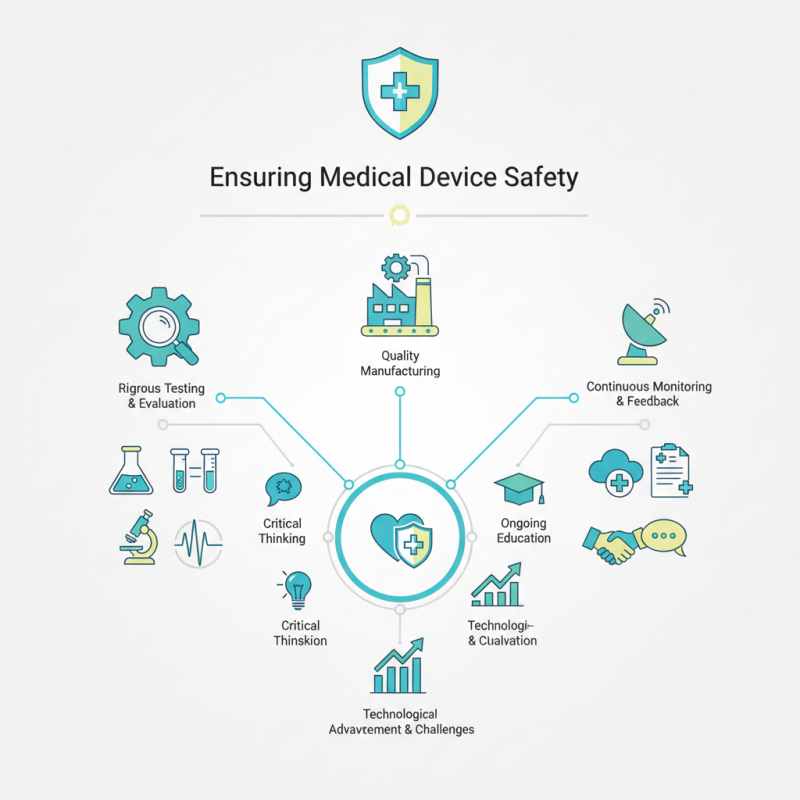
Ensuring the safety of medical devices for clinical use is crucial in today's healthcare landscape. What makes medical devices safe for clinical use? This question goes beyond regulatory compliance. It encompasses rigorous testing, quality manufacturing, and continuous monitoring. Each device must undergo extensive evaluations to identify potential risks. These evaluations are vital for protecting patient health.
Manufacturers must prioritize transparency in sharing safety data. Clinicians also play a role in reporting adverse events. Their feedback can highlight unseen issues. The collaborative effort between engineers and healthcare professionals enhances device safety. Yet, the industry faces challenges, such as keeping pace with rapid technological advancements.
Thinking critically about device safety fosters improvement. It encourages stakeholders to address flaws proactively. In this evolving field, ongoing education and training are necessary. Professionals must stay informed. This awareness leads to better decisions when selecting devices for clinical use. Together, we can enhance the safety of medical devices by maintaining a rigorous approach.
Medical device safety is paramount. Various standards and regulations guide this field. Organizations like the FDA in the U.S. and the European Medicines Agency (EMA) establish important frameworks. Their guidelines focus on rigorous testing and quality control. This ensures devices perform reliably in clinical settings.
Understanding these regulations is crucial for manufacturers. They must provide thorough documentation and data during the approval process. Clinical trials are essential. They help identify potential risks and benefits. However, even after approval, continuous monitoring is necessary. Real-world usage may reveal unforeseen issues. These incidents must be reported and analyzed promptly.
Compliance with safety standards is not always straightforward. Challenges may arise during design and production. Miscommunication within teams can lead to oversights. It's also possible that emerging technologies outpace regulatory frameworks. Manufacturers must remain vigilant and adaptable. Regular audits and updates are vital for maintaining safety. A proactive approach can prevent harm and ensure patient safety in medical environments.
This chart illustrates the compliance levels of various medical device safety standards by percentage. The standards include ISO 13485, IEC 60601, FDA 21 CFR Part 820, and other regulations that govern the safety and effectiveness of medical devices in clinical use.
Rigorous preclinical testing is essential for ensuring that medical devices are safe for clinical use. This process involves several key steps that help identify potential risks before products reach patients. Testing often includes bench tests, animal studies, and simulations. Each method contributes valuable data that can highlight device performance and safety.
**Tip:** Consider conducting thorough risk assessments early. This practice can prevent costly redesigns later. Including diverse test scenarios can also reveal unexpected problems.
One significant challenge in preclinical testing is ensuring that the study environment reflects real-world conditions. Factors such as variability in patient anatomy and device interaction often complicate results. Manufacturers need to adapt their testing environments for more relevant outcomes.
**Tip:** Collaborate with experts in biomechanics and clinical settings. Their insights can enhance the relevance of preclinical tests. Additionally, fostering ongoing dialogue with biomedical engineers can help identify overlooked risks.
Involving multidisciplinary teams may introduce complexity but can lead to a more comprehensive safety evaluation. Adjusting protocols based on iterative feedback encourages a culture of continuous improvement. This method allows for a better understanding of device performance in a practical context.
Ensuring the safety of medical devices requires a robust risk management strategy throughout their development. According to the FDA, nearly 1.3 million people are injured in the U.S. each year due to unsafe medical devices. This highlights the critical need for thorough evaluation during the design and testing phases. Developing a risk management plan should involve identifying potential hazards early, assessing their impact, and taking proactive steps to mitigate them.
A comprehensive risk assessment includes using tools like Failure Mode and Effects Analysis (FMEA). By breaking down device features and functions, developers can spot issues before they reach the clinical stage. Involving multidisciplinary teams can lead to diverse perspectives, which strengthens the risk management approach. Continuous monitoring of device performance in real-world settings is necessary. It's not uncommon to see post-market challenges that reveal overlooked risks.
Furthermore, regulatory bodies impose strict guidelines to ensure accountability. However, companies still face gaps in compliance. A report from the World Health Organization indicates that up to 50% of medical devices lack proper post-market surveillance. These gaps showcase the need for ongoing education in risk management practices. By improving both pre- and post-market strategies, manufacturers can enhance device safety and patient outcomes.
Ensuring compliance with post-market surveillance (PMS) guidelines is crucial for medical devices. The FDA emphasizes that effective PMS programs can reduce the risk of device-related harm. According to a 2022 report by the Institute of Medicine, up to 30% of medical devices face safety issues post-launch. This highlights the necessity of continuous monitoring.
**Tip:** Regularly collect and analyze data from device performance. Use feedback mechanisms from healthcare providers to identify issues early.
Challenges exist in adequately capturing all adverse events. Sometimes, manufacturers underestimate the importance of robust feedback loops. Inconsistent reporting can lead to gaps in understanding device safety. Findings from a 2021 survey indicated that nearly 40% of healthcare facilities lack a structured process to report device incidents.
**Tip:** Foster a culture of transparency and communication among stakeholders. Encourage reporting of all incidents, no matter how minor they may seem.
Implementing effective PMS is not effortless. Some companies find it hard to stay compliant. A report by GlobalData shows that only 50% of manufacturers monitor post-market data consistently. This places patients at risk. A proactive approach is essential.
**Tip:** Invest in training programs focused on PMS compliance for staff members. Continuous education will enhance awareness and adherence to safety protocols.
Engaging stakeholders in the safety evaluation process is crucial for medical devices. Various parties, including clinicians, patients, and regulatory agencies, must collaborate. Each group brings unique insights that enhance safety assessments. Clinicians can share firsthand experiences with devices in real-world settings. Their input can pinpoint potential risks that might go unnoticed in lab tests.
Patients also play a vital role. Their experiences and feedback can highlight usability issues or discomfort. This information is essential for developing devices that truly meet user needs. Engaging patients encourages transparency and builds trust in the evaluation process. Often, there are gaps in communication between manufacturers and users. Addressing these gaps can significantly improve safety protocols.
Regulatory agencies must ensure a thorough review process. While they establish guidelines, the active participation of stakeholders can inform better standards. It is common for safety evaluations to overlook specific patient demographics or unique use cases. A more inclusive approach can identify hidden hazards and improve overall device safety. Stakeholder engagement fosters a culture of continuous improvement in the industry.
: They ensure devices perform reliably in clinical settings. Rigorous testing and quality control protect patient safety.
Manufacturers provide thorough documentation and data. Clinical trials help identify potential risks and benefits.
Real-world usage reveals unforeseen issues. Incidents must be reported and analyzed promptly for safety.
Miscommunication can lead to oversights. Emerging technologies may outpace regulatory frameworks, complicating compliance.
PMS involves monitoring devices after approval. It helps reduce device-related harm by tracking performance data continuously.
They provide feedback that identifies issues early. Their insights are vital for improving device safety.
A culture of transparency encourages reporting all incidents. Even minor issues can help enhance understanding of device safety.
Nearly 40% lack a structured reporting process. This inconsistency can lead to a misunderstanding of device safety.
Investing in training programs is essential. Continuous education helps improve adherence to safety protocols.
Their collaboration ensures comprehensive assessments. Clinicians and patients offer insights that can highlight unnoticed risks.
Ensuring the safety of medical devices for clinical use is paramount in protecting patient well-being and enhancing treatment outcomes. What makes medical devices safe for clinical use involves a comprehensive understanding of safety standards and regulations that govern device manufacturing and deployment. Rigorous preclinical testing is essential in identifying potential risks and validating the effectiveness of devices before they reach the market.
Moreover, implementing effective risk management strategies throughout the device development process is critical to minimize hazards. Post-market surveillance guidelines play a crucial role in monitoring device performance and ensuring ongoing compliance with safety standards. Engaging stakeholders, including healthcare professionals and patients, in the safety evaluation process further strengthens the reliability of medical devices, fostering a collaborative environment for continuous improvement in clinical care.

MDV Medical