In the ever-evolving healthcare landscape, understanding how healthcare providers evaluate medical equipment is crucial. A report from the Health Economics Journal reveals that 67% of healthcare leaders prioritize cost-effectiveness when selecting new devices. Dr. Emily Carter, an expert in healthcare procurement, emphasizes, "The value of medical equipment extends beyond purchase price—it impacts patient outcomes significantly."
Factors influencing evaluations include performance, patient safety, and user experience. A study by MedTech Insights shows that 78% of providers assess clinical efficacy as their top criterion. There's a growing need for comprehensive data analytics in decision-making. However, many institutions still rely on outdated assessment methods, which can lead to suboptimal choices.
As organizations shift toward value-based care, the pressure to align equipment with long-term health goals increases. This challenge highlights the need for providers to adopt innovative evaluation frameworks that incorporate real-world evidence. The way healthcare providers evaluate medical equipment shapes the future of patient care, making this an ongoing topic of reflection and improvement.
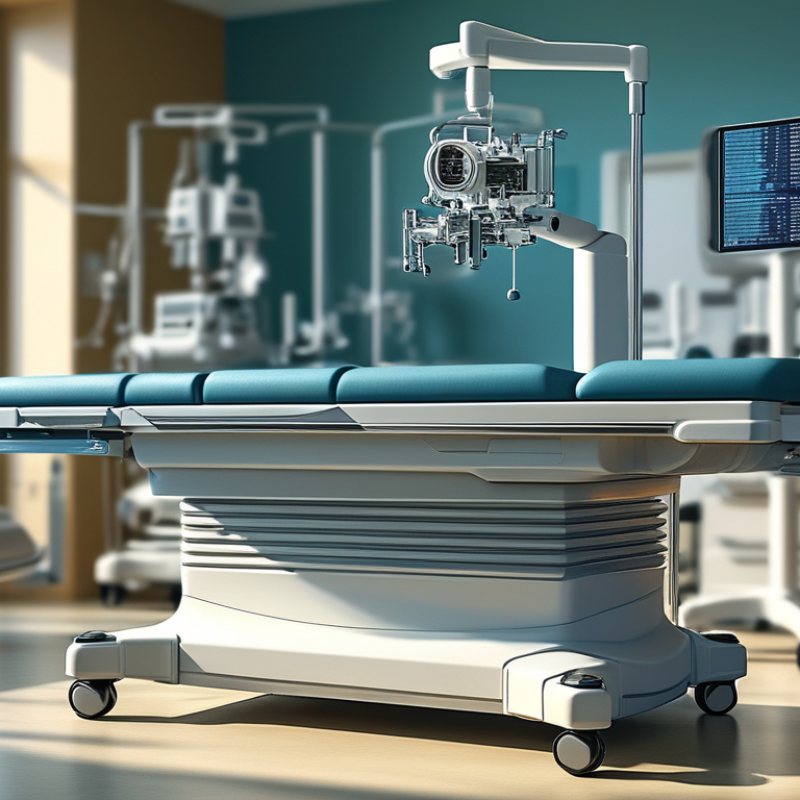
When evaluating medical equipment, healthcare providers often rely on key performance indicators (KPIs). These metrics provide insights into how well a piece of equipment meets clinical and operational needs. One crucial KPI is equipment uptime, which should ideally exceed 95%. A high uptime ensures that critical medical processes proceed without interruption.
Operational efficiency is another vital aspect. Reports indicate that effective equipment utilization can improve workflow by up to 30%. This efficiency not only enhances patient care but can also reduce operational costs significantly. An example here would be the streamlined patient flow that results from well-integrated equipment.
Moreover, providers gauge return on investment (ROI) by analyzing cost per procedure. This metric reveals how cost-effective the equipment is over time. A recent study noted that about 60% of healthcare organizations regularly assess ROI to guide future equipment purchases. This practice helps in making informed decisions that can improve patient outcomes while managing budgets. Still, many facilities struggle to balance cost and quality, highlighting the need for ongoing evaluation.
: Cost-effectiveness helps healthcare providers manage tight budgets and make informed purchasing decisions.
Providers assess total lifecycle costs, including maintenance and operation, beyond just initial acquisition costs.
Budget constraints may lead to cheaper options that compromise quality and reliability, risking long-term costs.
Investing in quality equipment may incur high upfront costs but can improve profit margins and patient outcomes.
Safety standards and compliance are paramount to safeguard patient health and ensure legal adherence.
Compliance ensures devices meet legal requirements and enhances credibility, protecting patient trust.
User-friendliness affects training ease; longer training periods can hinder staff adaptation and patient care.
Many staff feel overwhelmed, even with user-friendly designs, especially when guidance and support are lacking.
Ongoing training refreshers help staff feel confident with equipment using, reducing errors in patient care.
Providing effective training materials and prioritizing user-friendliness can enhance overall staff experience and efficiency.
Healthcare providers carefully assess various factors when selecting medical equipment, focusing on how healthcare providers evaluate medical equipment. Key performance indicators serve as a crucial foundation for these evaluations, helping to measure effectiveness, efficiency, and reliability. Cost-effectiveness and budget considerations also play a vital role, ensuring that financial resources are allocated wisely while maximizing patient care.
Additionally, safety standards and compliance are paramount in the evaluation process, as healthcare providers must adhere to stringent regulations to ensure the well-being of patients and staff. User-friendliness and necessary training requirements for healthcare professionals are equally important, as intuitive equipment can enhance operational efficiency. Finally, the impact of equipment choices on patient outcomes and the overall quality of care is a significant consideration, driving providers to choose tools that ultimately improve health results and patient satisfaction.

 MDV Medical