How Healthcare Technology Enhances Diagnosis Accuracy in 2026?

Time:2026-07-05 Author:Charlotte
0%

In 2026, the landscape of healthcare is profoundly influenced by advanced technology. The integration of innovative tools directly impacts diagnostic processes. How Healthcare Technology Improves Diagnosis Accuracy plays a crucial role in this transformation.

Artificial intelligence and machine learning enhance data analysis. These technologies can process vast amounts of patient information swiftly. They identify patterns that human eyes might overlook. For instance, AI systems now offer real-time support to clinicians, leading to timely interventions. However, reliance on technology may sometimes overshadow clinical instincts.

Despite these advancements, challenges persist. Not all healthcare facilities have equal access to cutting-edge technology. Rural areas often face limitations. Furthermore, the accuracy of technology depends on the quality of input data. Flawed or incomplete data can lead to incorrect diagnoses. Therefore, continuous training for healthcare professionals is essential in maximizing these technological benefits. The journey toward improved diagnostic accuracy is ongoing and multifaceted.
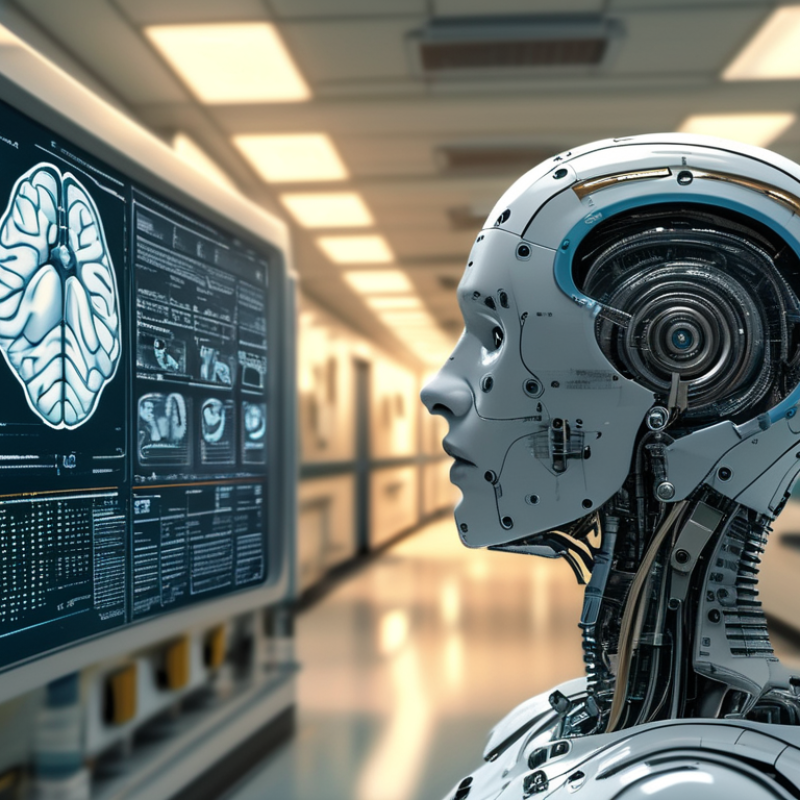
How Healthcare Technology Enhances Diagnosis Accuracy in 2026?

The Role of AI Algorithms in Diagnostic Imaging for 2026

In 2026, AI algorithms are transforming the field of diagnostic imaging. These algorithms analyze vast amounts of medical images with remarkable speed. They enhance the accuracy of diagnoses by identifying patterns that may escape the human eye. Radiologists increasingly rely on these tools to support their assessments. This integration helps reduce human error, but it also raises questions about over-reliance on technology.

Despite the advancements, challenges remain. AI algorithms require continuous training and updates for optimal performance. Data quality is paramount; poor-quality images can lead to incorrect diagnoses. Moreover, the interpretability of AI decisions is often a grey area. This raises concerns about accountability. If an AI system misses a critical finding, who is responsible?

Healthcare professionals need ongoing education to balance AI tools and human expertise effectively. They must remain vigilant about the limitations of technology. Collaborating with AI can enhance diagnostics, but it requires critical thinking and discernment. As healthcare evolves, a blend of technology and human insight will be key to improving patient outcomes.

Integration of Wearable Devices for Real-Time Health Monitoring

Wearable devices are transforming healthcare in 2026. These gadgets monitor vital signs continuously. They track heart rate, blood pressure, and oxygen levels in real time. This constant monitoring allows for quicker responses to health changes. Patients can receive alerts before serious issues arise. Such technology bridges gaps between doctor visits.

The integration of these devices isn't flawless. Some users struggle to embrace this technology. Resistance often comes from misconceptions about data security. Others worry about the accuracy of the readings. Inaccurate data can lead to unnecessary anxiety or missed diagnoses. Healthcare providers must work to build trust. They need to assure patients that their information is safe and reliable.

Real-time data offers immense potential. It empowers patients to take charge of their health. Communication between patients and healthcare professionals improves. Discussions become more informed and focused on facts. Yet, the technology must be user-friendly. Education on how to use these devices is crucial. Without it, some benefits may not be fully realized.

Impact of Big Data Analytics on Personalized Treatment Plans

In 2026, big data analytics plays a pivotal role in enhancing personalized treatment plans. According to a recent Gartner report, 90% of healthcare organizations actively use big data. This trend helps doctors make more accurate diagnoses and tailor treatments to individual patients. Insights from data allow for a finer granularity in understanding patient histories, enabling more precise interventions.

With the integration of machine learning algorithms, healthcare providers can analyze vast datasets quickly. This capability reveals patterns invisible to human analysis. For example, early identification of chronic conditions through data-driven predictive modeling can significantly improve patient outcomes. A study by the Journal of Medical Internet Research indicates that personalized treatment plans based on robust data analytics improve efficacy by 30%.

However, challenges remain in balancing data privacy and patient usability. Many patients express concerns about how their data is utilized. In fact, a survey by Pew Research Center shows that 63% of respondents worry about the sharing of their health information. This reflects a need for ongoing dialogue regarding data ethics. As healthcare technology evolves, it must prioritize trust alongside technological advancement.

Advancements in Telemedicine for Remote Diagnostics and Consultations

Telemedicine is transforming remote diagnostics and consultations in 2026. Healthcare professionals can now leverage advanced technologies to assess patients from afar. Patients receive timely care without visiting a physical clinic. This can save travel time and reduce exposure to illnesses.

Artificial intelligence plays a vital role. AI algorithms analyze symptoms reported via telemedicine platforms. They help in suggesting possible diagnoses and treatments. However, reliance on AI raises concerns. There can be misinterpretations of data. Human oversight remains essential to validate AI findings.

Remote consultations bring challenges too. Internet connectivity issues can hinder access. Additionally, not all patients are tech-savvy. Some may struggle with using digital tools. Addressing these issues will enhance the effectiveness of telemedicine. The road ahead requires constant reflection on improving accessibility and accuracy in healthcare technology.

Emerging Trends in Augmented Reality for Surgical Precision and Training

Augmented Reality (AR) is redefining surgical procedures and training. In 2026, AR technology has become integral in enhancing surgical precision. A study by the American Medical Association revealed that AR can improve accuracy in complex surgeries by up to 30%. Surgeons now utilize AR overlays to visualize critical anatomy in real-time. This aids in making informed decisions during operations, reducing risk.

Training for medical professionals is also evolving. Traditional methods often lack engagement and real-world scenarios. AR provides immersive, hands-on experiences that foster higher retention of skills. Reports indicate that training sessions enhanced with AR can improve information retention rates by 50% compared to standard training. However, the reliance on technology presents a challenge. It is crucial for professionals to balance tech use with practical skills. Some argue that over-dependence might undermine basic surgical techniques. As AR continues to advance, constant evaluation of training methods will be vital for effective integration.

FAQS

: What do wearable devices monitor in real time?

: They track heart rate, blood pressure, and oxygen levels continuously.

How do wearable devices change patient care?

They allow quicker responses to health changes and provide alerts before serious issues arise.

Why do some users resist using wearable technology?

Misconceptions about data security and concerns about accuracy cause resistance.

What is a risk of inaccurate data from wearable devices?

It can lead to unnecessary anxiety or missed diagnoses.

How does real-time data benefit patients?

It empowers them to manage their health and improves communication with healthcare providers.

What is a major challenge with using wearable devices?

The technology must be user-friendly and require proper education for effective use.

How has augmented reality impacted surgical procedures?

It enhances precision, improving accuracy in complex surgeries significantly.

What is a benefit of AR in medical training?

It offers immersive experiences that can increase information retention rates by 50%.

What concern exists regarding reliance on augmented reality?

Over-dependence may undermine fundamental surgical skills and techniques.

What should professionals do to balance AR use in training?

They must constantly evaluate methods to ensure effective integration of technology.

Conclusion

In 2026, healthcare technology significantly enhances diagnosis accuracy through various innovative approaches. The integration of AI algorithms in diagnostic imaging allows for improved interpretation of medical images, leading to faster and more precise diagnoses. Additionally, wearable devices enable real-time health monitoring, providing continuous data that aids in early detection of potential health issues.

Furthermore, the impact of big data analytics allows for the formulation of personalized treatment plans, tailoring healthcare to individual patient needs. Advancements in telemedicine facilitate remote diagnostics and consultations, making healthcare more accessible and efficient. Lastly, emerging trends in augmented reality contribute to surgical precision and training, ensuring that healthcare professionals are equipped with the best tools for accurate diagnoses. Overall, these advancements illustrate how healthcare technology improves diagnosis accuracy, transforming patient care and outcomes.

Charlotte

Charlotte

Charlotte is a seasoned marketing professional with a deep understanding of the company's portfolio and a passion for elevating its presence in the market. With a keen eye for detail and a commitment to excellence, she ensures that our professional blog is regularly updated with insightful articles......