Healthcare technology is rapidly evolving. Innovations shape how care is delivered and experienced. As Dr. Sarah Johnson, an expert in healthcare technology, stated, "The latest trends are revolutionizing patient care." This insight highlights the need to explore what drives these changes.
What Are The Latest Trends In Healthcare Technology? Telemedicine, AI, and wearable devices are at the forefront. Telemedicine enhances access to care, especially in remote areas. AI improves diagnostic accuracy and streamlines workflows. Wearable devices empower patients to track their health. Yet, these advancements come with challenges.
Security concerns and data privacy remain key obstacles. Integration of technologies into existing systems can be complex. Healthcare professionals must adapt to new tools and methods. While these trends promise great potential, they require careful consideration. How will we balance innovation with safety and accessibility? Understanding these dynamics is crucial for shaping the future of healthcare.
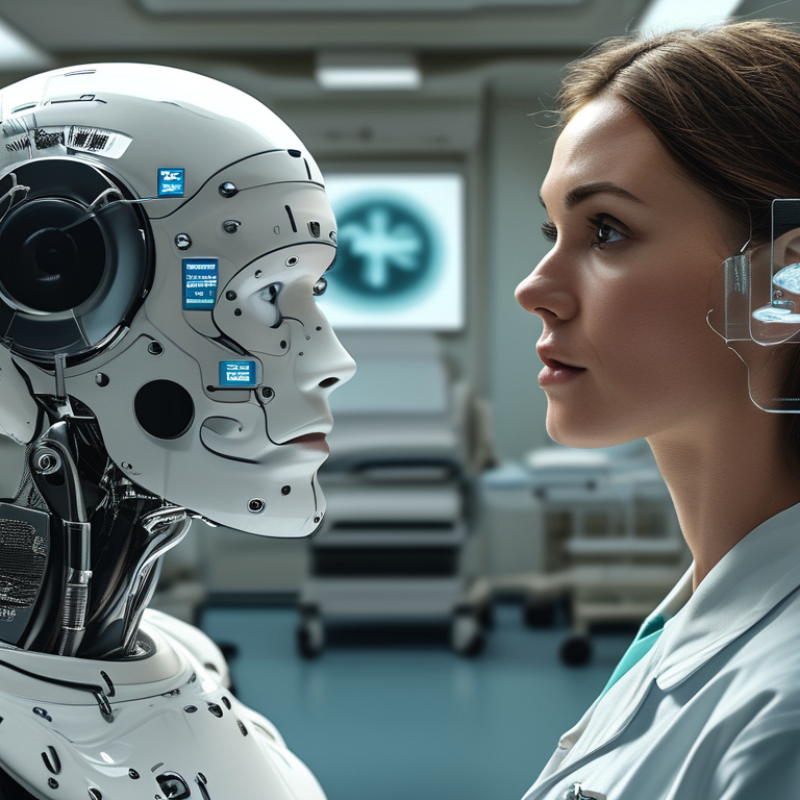
In recent years, healthcare technology trends have rapidly emerged, reshaping the landscape of medical services.
Telemedicine is one of the most notable shifts. Patients can now consult doctors remotely, saving time and reducing the need for physical visits.
This trend increased during the pandemic, showcasing its importance in ensuring continued care. However, not everyone has access.
Digital literacy and technology availability remain significant barriers.
Wearable devices also play a pivotal role. From tracking heart rates to monitoring activity levels, these tools empower individuals to take charge of their health.
Health practitioners can access real-time data, aiding in proactive care.
Yet, questions arise about data privacy and security. How do we ensure patients' information remains confidential?
Another trend is artificial intelligence in diagnosis. AI tools can analyze vast amounts of data, providing insights that may elude human practitioners.
This can enhance accuracy but may lead to over-reliance. There is uncertainty about the inherent biases in algorithms.
It’s crucial for the healthcare industry to balance innovation with ethical considerations, ensuring technology serves everyone equally.
Telemedicine has revolutionized patient care, providing accessible options for those in remote areas. A study from McKinsey reveals that up to 40% of outpatient visits can be conducted via telehealth. This shift enhances access, particularly for individuals unable to travel due to health or transportation issues.
However, challenges remain. Not all patients have equal access to the internet or devices needed for telemedicine. Some may feel uncomfortable or unsure about using technology for consultations. Addressing these barriers requires healthcare providers to offer tailored support and training.
To optimize telemedicine experiences, consider these tips:
- Choose a quiet, well-lit space for consultations.
- Familiarize yourself with the technology before the appointment.
- Keep a list of questions handy to ensure all concerns are addressed.
As telehealth continues to evolve, evaluating its effectiveness remains crucial. Ongoing research will help refine the balance between convenience and personal interaction in patient care.
Artificial Intelligence (AI) is revolutionizing healthcare. Its ability to analyze vast amounts of data enhances patient care and saves time. AI algorithms can predict disease outbreaks and patient deterioration. AI can also help in drug discovery by simulating outcomes before physical trials. This greatly reduces development time and costs.
Healthcare professionals should embrace AI tools to improve efficiency. However, training is critical. Not all staff may feel comfortable using advanced technologies. Continuous education is essential to build confidence and competence. Organizations need to foster an environment that encourages exploration and adoption. This includes acknowledging mistakes and learning from them.
Consider implementing AI in small stages. Start with pilot programs before a full rollout. This helps to address challenges early. Continuous feedback loops are necessary. It allows for adjustments in strategy, ensuring that AI solutions meet real needs. Reflecting on these experiences will shape the future of healthcare innovation. The integration of AI can empower practitioners and enhance patient outcomes.
The integration of wearable devices and health monitoring systems is transforming healthcare. Wearables are now common in daily life. They track vital signs like heart rate and sleep patterns. This data is crucial for proactive health management.
However, challenges remain. Data accuracy can vary significantly among devices. Users may misinterpret the information, leading to unnecessary worry. Moreover, privacy concerns haunt these technologies. Protecting sensitive health data is paramount. If not addressed, trust in these systems will diminish.
Despite imperfections, the potential is immense. Wearable technology can empower individuals to take charge of their health. Continuous monitoring allows for early detection of issues. This shift towards personalized healthcare is promising, but effective implementation is critical. Encouraging user education about data interpretation will enhance trust and efficacy.
Healthcare technology is revolutionizing patient care. Emerging trends are reshaping how healthcare is delivered. Virtual consultations are becoming a norm, allowing patients to access doctors remotely. Wearable devices track health metrics, generating data for proactive care. Telehealth bridges gaps in service, especially for those in rural areas.
However, these advancements raise questions about privacy and data security. As technology evolves, the potential for data breaches increases. Patients may feel uneasy about sharing personal health information. Balancing innovation with trust is essential. Another significant trend is the use of artificial intelligence. AI can analyze vast amounts of data, improving diagnosis and treatment plans. Yet, reliance on algorithms poses risks; biases in AI can lead to unequal care.
The integration of technology in healthcare is inevitable. Future predictions suggest a more personalized approach to medicine. Patient engagement will likely rise, making healthcare more collaborative. Continuous monitoring will shift focus from reactive to proactive care. Despite the exciting possibilities, challenges remain. Embracing technology while ensuring patient safety will define the future of healthcare.
This chart illustrates the anticipated growth in adoption rates for various healthcare technology trends shaping the future of patient care. As seen, AI & Machine Learning and Telemedicine are leading the charge, reflecting the increasing reliance on innovative technologies to enhance healthcare delivery.
: Telemedicine allows patients to consult doctors remotely, reducing the need for physical visits. It gained popularity during the pandemic.
Wearable devices track health metrics like heart rates and activity levels. They help individuals manage their health proactively.
Data accuracy may vary among devices. Misinterpretation of health data can lead to unnecessary worries and privacy concerns.
AI analyzes large data sets, providing insights for diagnosis. However, over-reliance on AI may introduce biases and ethical dilemmas.
As technology evolves, data breaches may increase. Patients often feel uneasy about sharing personal health information.
Educating users about data interpretation and privacy measures can enhance trust and effectiveness in health technologies.
The future may see a more personalized approach, with an emphasis on proactive care and patient engagement, despite some challenges.
Integration creates opportunities for continuous monitoring, making healthcare more collaborative and proactive for patients.
Challenges include data privacy issues and the need for accurate data interpretation, which can affect user trust.
Yes, biases in algorithms may cause unequal treatment. Balancing innovation and equality is critical for the future.
The article "Why Are Healthcare Technology Trends Shaping the Future?" delves into the latest trends in healthcare technology that are transforming patient care. One key aspect is the emergence of telemedicine, which has significantly improved accessibility and convenience for patients, enabling remote consultations and reducing barriers to healthcare. Additionally, artificial intelligence is playing a crucial role in innovations, from predictive analytics to personalized treatment plans, enhancing the quality of care.
Furthermore, the integration of wearable devices and health monitoring systems allows for continuous health tracking, empowering patients to take charge of their wellbeing. As we look ahead, these healthcare technology trends promise to shape tomorrow's care, making it more efficient, accessible, and tailored to individual needs. Understanding what are the latest trends in healthcare technology is essential for stakeholders as they navigate this evolving landscape.

MDV Medical