In the realm of healthcare, the intersection of technology and patient safety is critical. Experts agree that effective technology use can significantly enhance patient care. Dr. John Smith, a healthcare technology expert, remarked, "Leveraging technology is essential for hospitals to truly secure patient safety." This highlights the urgency of integrating innovative solutions.
Hospitals deploy various technological tools to monitor patients closely. Electronic health records (EHRs) are pivotal. They provide doctors with instant access to vital patient information. This access reduces medication errors and improves diagnostic accuracy. Furthermore, telemedicine allows for remote consultations, ensuring timely medical advice.
Yet, despite these advancements, challenges persist. Not all hospital staff is trained in new technologies. This can lead to safety lapses. Moreover, data security remains a concern, risking patient privacy. Thus, while hospitals strive to improve patient safety with technology, continuous evaluation and adaptation are necessary. A commitment to learning from these challenges is crucial for future progress.
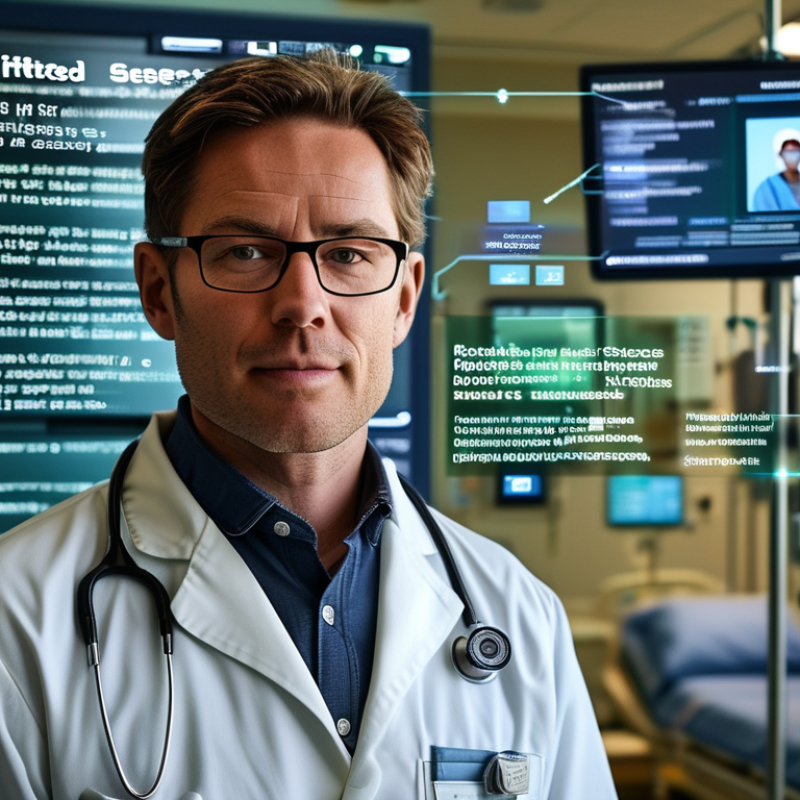
Electronic Health Records (EHRs) play a crucial role in enhancing patient safety. They offer a centralized platform for patient information, enabling instant access for healthcare providers. According to a study published in the Journal of Patient Safety, effective EHR implementation can reduce medication errors by 30% to 50%. This reduction is significant, given that medication mistakes are a leading cause of patient harm in hospitals.
EHR systems also facilitate better communication among medical staff. A report from the American Hospital Association indicates that poor communication contributes to 80% of serious medical errors. With EHRs, doctors and nurses can share information within moments. This quick access helps in making informed clinical decisions and responding to patient needs without delay. However, while EHRs enhance safety, they are not without flaws. Workflow changes can lead to unintended consequences, such as alert fatigue, where staff become desensitized to notifications.
Another concern is data breaches. With the increasing amount of sensitive information stored electronically, hospitals face growing cybersecurity threats. The Ponemon Institute reported that the healthcare sector experiences the highest rate of data breaches, affecting millions of patients annually. While technological advancements improve safety, they also necessitate continuous training and vigilant data protection measures to truly safeguard patient welfare.
Telemedicine has transformed patient care. This technology enables remote consultations, reducing the need for physical visits. Patients can access healthcare from home, which minimizes exposure to infections. This is particularly crucial during pandemics or flu seasons.
In many cases, telemedicine has improved healthcare access for those living in remote areas. It allows specialists to reach patients without geographical barriers. However, there are challenges. Some patients may struggle with technology or lack reliable internet. There’s also a concern about maintaining comprehensive medical records during virtual interactions.
Moreover, telemedicine isn’t suitable for all conditions. Some diagnoses require hands-on examination. Although technology can enhance convenience, it cannot replace all in-person visits. Careful consideration is necessary to determine which scenarios are best suited for virtual consultations. Balancing innovation with patient needs remains a challenge for healthcare providers.
Hospitals are increasingly adopting innovative medical devices to enhance patient safety. These technologies range from advanced monitoring systems to intelligent alarms, aiming to reduce human error and improve response times. According to a report by the Agency for Healthcare Research and Quality, the implementation of electronic health records (EHR) has resulted in a 15% reduction in medication errors. Such statistics underline the critical role technology plays in minimizing risks in healthcare settings.
One significant area of innovation lies in smart infusion pumps. These devices can deliver precise dosages while preventing drug interactions. A study published in the Journal of Patient Safety highlighted a 30% decrease in adverse drug events after hospitals integrated this technology. However, hospitals must remain vigilant. Reliance on technology can sometimes lead to complacency among staff, risking oversight in critical care situations.
Tip: Regular training sessions for staff on using new technologies can minimize risks. Consistent updates and feedback should be encouraged. Additionally, hospitals should continuously monitor device performance and report any malfunctions. This proactive approach can sustain patient safety and mitigate potential hazards. By employing these innovations wisely, healthcare facilities can strike a balance between technology and human vigilance.
Hospitals leverage data analytics to enhance patient safety significantly. By analyzing large sets of patient data, healthcare facilities can identify patterns that predict safety hazards.
For instance, a study by the Institute of Medicine highlighted that as many as 100,000 deaths occur annually in the U.S. due to preventable medical errors. Addressing this alarming statistic requires proactive measures.
Utilizing predictive analytics, hospitals can forecast potential risks, such as medication errors or infection outbreaks. One report indicated that predictive models could reduce some adverse events by as much as
30%. Advanced algorithms help clinicians make informed decisions based on clinical data, fostering a safer environment for patients. Data from the Healthcare Cost and Utilization Project shows
that improved patient safety can also reduce hospital costs by millions.
Tips: Implement regular training on data analytics for staff. Engage them in the process of interpreting data and understanding its implications for patient care. Encourage teamwork among departments to share insights,
ensuring a holistic approach to patient safety. Monitoring real-time data can also alert teams to emerging risks, allowing for swift action.
Technology plays a crucial role in enhancing patient safety in hospitals. A key aspect is training healthcare staff to effectively use these technologies. Various studies suggest that proper training can significantly reduce medical errors. According to a report from the Institute of Medicine, over 44,000 patients die each year due to preventable errors.
Training sessions can include simulations to help staff familiarize themselves with new technologies.
This practical approach can boost confidence. However, many healthcare workers feel underprepared for new systems. A survey by the American Medical Association showed that 30% of clinicians reported feeling frustrated with technology. This frustration can negatively impact patient care.
Moreover, ongoing training is essential. Technologies evolve rapidly and continuous education is vital for maintaining standards. A systematic review found that hospitals with regular training programs had a 25% lower error rate. Addressing gaps in training can save lives. Hospitals must prioritize staff education to ensure patient safety.
: Telemedicine allows remote consultations between patients and healthcare providers, reducing the need for physical visits.
It enables patients in remote areas to consult specialists without geographical barriers, enhancing healthcare access.
Some patients struggle with technology or may lack reliable internet, which can hinder access to care.
Yes, some diagnoses need hands-on examination, making telemedicine unsuitable for all situations.
By analyzing patient data, hospitals can predict safety hazards, reducing the risk of medical errors.
Predictive analytics can lower adverse events by 30%, helping clinicians make informed decisions.
Proper training on technology can significantly reduce medical errors and improve patient safety.
Many feel underprepared and frustrated, which can negatively impact their care delivery.
Ongoing training is essential due to rapid technological evolution, ensuring staff maintain high standards.
Engaging staff in data interpretation and sharing insights fosters a collaborative approach to patient safety.
Hospitals are increasingly leveraging technology to enhance patient safety through various innovative approaches. One significant advancement is the implementation of Electronic Health Records (EHRs), which streamline information sharing and reduce errors associated with manual data entry. Additionally, telemedicine has emerged as a vital tool, allowing healthcare providers to offer care remotely, thus minimizing the risk of complications from in-person visits.
Moreover, advancements in medical devices contribute to improved safety by providing accurate and real-time monitoring of patients' conditions. Utilizing data analytics enables hospitals to predict and prevent potential safety hazards by analyzing trends and outcomes. Finally, training healthcare staff on the latest technologies ensures adherence to improved safety protocols, fostering a culture of safety. In essence, these strategies collectively illustrate how hospitals improve patient safety with technology, ensuring better outcomes and a reduction in medical errors.

MDV Medical