7 Tips on How Global Demand Is Shaping Medical Devices

Time:2026-10-27 Author:Madeline
0%

How Global Demand Is Shaping Medical Devices is no longer only a question of innovation. It is a question of access, affordability, and trust. The World Health Organization’s Global Atlas of Medical Devices reports more than two million medical device types worldwide. Yet many hospitals still lack reliable diagnostic equipment, maintenance support, or trained technicians. Demand is growing, but readiness remains uneven.

Population changes are intensifying this pressure. The United Nations World Social Report 2023 projects that people aged 65 and older will represent 16% of the global population by 2050, compared with 10% in 2022. This shift increases demand for cardiac monitors, mobility aids, home-care technologies, and remote patient monitoring. The OECD’s Health at a Glance 2023 also shows persistent differences in health spending and service capacity across countries. A device that works in a well-funded urban hospital may fail in a rural clinic without stable electricity or replacement parts.

The WHO Director-General, Dr. Tedros Adhanom Ghebreyesus, has stated, “Medical devices are essential for the prevention, diagnosis, treatment and rehabilitation of illness and disease.” His observation frames the industry’s responsibility clearly. Manufacturers must design for real settings, not ideal laboratories. Small screens, complex software, and expensive consumables can become serious barriers. The picture is not perfect. Regulatory pathways, procurement systems, and post-market data still need improvement. This article examines seven practical ways global demand is reshaping medical devices, from affordable design and digital connectivity to resilient supply chains and patient-centered care.
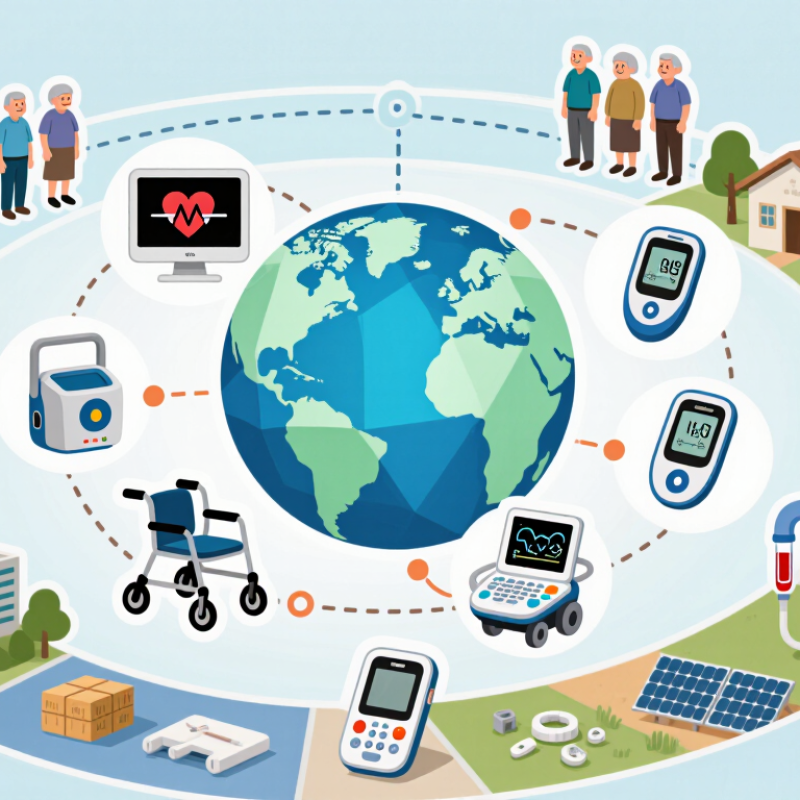
7 Tips on How Global Demand Is Shaping Medical Devices

Defining How Global Demand Drives Medical Device Growth

Global demand is redefining medical device growth.

The World Health Organization and UNICEF estimate that 2.5 billion people need assistive products today, potentially reaching 3.5 billion by 2050. That gap creates a clear opportunity, but demand is not evenly distributed. Listen to local clinicians. Segment patient needs. A rural clinic may prioritize battery life, while an urban hospital may require data integration. One global design rarely fits both.

Affordability matters.

The World Bank reports that out-of-pocket health spending still creates financial hardship for millions of households. Manufacturers can respond with modular designs, repairable parts, and flexible purchasing models. Build for harsh conditions. Protect devices from dust, heat, and unstable electricity. Train users in local languages. Small details influence adoption more than polished specifications. They often decide whether equipment remains useful after installation.

Measure real-world outcomes.

Track uptime, maintenance visits, patient safety, and training completion. The OECD projects that the share of people aged 65 and older will rise substantially across member economies by 2050, increasing demand for monitoring, mobility, and chronic-care devices. Update products from field evidence, not assumptions. Forecasts can mislead. A device may pass technical testing yet fail beside a crowded ward bed. Growth becomes credible when global demand improves access, usability, and measurable care quality.

Comparing Regional Healthcare Needs and Patient Populations

Global demand is shaping medical devices through local healthcare needs, not population size alone. A crowded city may need compact monitoring tools for busy wards. A rural region may need durable equipment that survives heat, dust, and unstable power. The same device can perform differently across these settings.

Compare patient age, disease patterns, and care access before designing for a market. Older populations often require fall detection, mobility support, and simple interfaces. Younger populations may need maternal care, neonatal monitoring, or injury treatment. Diabetes, respiratory illness, and cardiovascular disease also vary by region. Local clinicians can reveal needs that national statistics miss.

Practical design matters. A device should support local languages and common measurement habits. Training must fit staff availability, not an ideal schedule. Maintenance teams need accessible parts and clear repair instructions. Data systems should protect patient privacy while working with limited connectivity. Reimbursement rules also influence whether hospitals can adopt useful equipment. Population registries, hospital records, and patient interviews offer stronger evidence than assumptions. Yet, even careful comparisons can be incomplete. We still underestimate informal caregiving and home-based treatment. Field testing may expose uncomfortable flaws, such as buttons that are too small for older hands or alarms that cannot be heard in crowded wards. Listening again is often necessary.

Adapting Device Design to Local Standards and Clinical Practices

Global demand is reshaping medical device design in practical, sometimes uncomfortable ways. A blood pressure monitor that works well in one clinic may fail in another. Power instability, language differences, and limited maintenance support can change the design brief completely.

Tip 1: Study local clinical routines before drawing the first prototype.

Tip 2: Map regional electrical, labeling, and safety requirements early. Regulatory expectations differ, and late changes can delay testing.

Tip 3: Design controls around local workflows, not idealized hospital procedures. A nurse may need to operate the device while wearing gloves.

Tip 4: Use clear symbols, readable contrast, and language reviewed by local clinicians. Translation alone is not enough.

Tip 5: Test the device with intended users in realistic rooms, including crowded wards and small treatment areas. Field observation often reveals problems that laboratory testing misses.

Tip 6: Plan maintenance with locally available tools and skills. Replaceable parts, simple diagnostics, and printed instructions can reduce downtime.

Tip 7: Confirm performance across local temperature, humidity, and transport conditions. A device may pass controlled testing yet drift after weeks in a hot storage room. This is where engineering judgment matters. Evidence should come from usability studies, verification records, post-market monitoring, and clinician feedback. Not every assumption will survive contact with practice. That is useful. Teams should document failures honestly, review them with regional experts, and revise the design without treating local variation as an inconvenience.

Strengthening Supply Chains, Pricing, and Distribution Networks

7 Tips on How Global Demand Is Shaping Medical Devices

Strengthening Supply Chains, Pricing, and Distribution Networks

Global demand is exposing weak links in medical-device supply chains. The WTO reported that medical-goods trade increased by 16% in 2020. That shock revealed a practical lesson: low inventory can become expensive during shortages. Manufacturers now need regional suppliers, dual sourcing, and verified backup capacity.

The WHO and UNICEF Global Report on Assistive Technology estimates that 2.5 billion people need assistive products. This figure may reach 3.5 billion by 2050. Distribution networks must therefore serve crowded cities and remote clinics. Local repair teams, smaller warehouses, and temperature-controlled transport can reduce delays. Sometimes, simple storage wins.

Pricing also needs greater discipline. Buyers increasingly compare acquisition costs with maintenance, training, downtime, and disposal. A low purchase price may hide a costly service burden. Transparent tender documents can improve trust and reveal those differences. However, price models remain imperfect. They often overlook unreliable electricity, customs delays, and limited technical staff.

Data should connect demand forecasts with inventory decisions. The World Bank’s 2023 Logistics Performance Index shows continuing gaps in customs, infrastructure, and delivery reliability across economies. Medical-device planners cannot treat every market equally. They should use local demand signals, realistic lead times, and safety stocks for critical products. Yet excessive inventory ties up capital and risks expiry. The better answer is not always more stock. It is better visibility, tested contingency plans, and regular review.

Using Regulation, Data, and Partnerships for Global Expansion

7 Tips on How Global Demand Is Shaping Medical Devices

Using Regulation, Data, and Partnerships for Global Expansion

Map each target market’s device classification before designing a launch plan. Requirements differ across regions, even for similar products. Build a regulatory evidence file early, including clinical data, risk controls, labeling, and post-market procedures. The World Health Organization reported in 2022 that 2.5 billion people need assistive products worldwide. Demand may exceed 3.5 billion by 2050. That gap rewards practical, accessible devices.

Track local outcomes, not only sales. Use validated measures such as readmission rates, device uptime, training completion, and user-reported comfort. Data should be traceable from collection to decision. The International Medical Device Regulators Forum promotes harmonized principles for software and device regulation. Still, harmonization does not remove national obligations. Confirm cybersecurity, privacy, language, and reimbursement rules with qualified local specialists. Small details matter.

Choose partners with clinical access and regulatory experience. A distributor alone may not understand hospital workflows or reporting duties. Joint pilots with clinicians can reveal problems before scale. Share clear responsibilities for complaints, recalls, maintenance, and data governance. The WHO Global Report on Assistive Technology also highlights affordability and service support as major access barriers. Do not confuse availability with adoption. Our own planning can be too optimistic. A technically strong device may fail when training takes twenty minutes longer than expected. Review assumptions quarterly, publish evidence carefully, and adapt with humility.

FAQS

How should teams adapt a medical device to local clinical practice?

Observe real workflows before building prototypes. A nurse may operate the device while wearing gloves. Design for that moment.

Which local requirements should teams review early?

Check electrical standards, safety rules, labeling, language, and device classification. Late changes can delay testing and market entry.

Why is translation alone insufficient?

Local clinicians should review wording, symbols, and contrast. A translated instruction may still confuse users in a crowded ward.

How should usability testing reflect real conditions?

Test in small rooms, crowded wards, and busy treatment areas. Laboratory results may miss awkward controls or blocked displays.

What environmental conditions can affect device performance?

Test heat, humidity, unstable power, and transport vibration. A device may drift after weeks in a hot storage room.

How can maintenance planning reduce downtime?

Use replaceable parts, simple diagnostics, local tools, and printed instructions. Skilled local repair teams matter. Sometimes, simple storage wins.

How should supply chains respond to uncertain demand?

Use regional suppliers, backup sources, realistic lead times, and safety stock for critical products. Excess inventory can expire or trap capital.

What should pricing include beyond the purchase cost?

Include training, maintenance, downtime, transport, customs delays, and disposal. A cheap device may create an expensive service burden.

What evidence should support expansion into a new market?

Track device uptime, training completion, comfort, complaints, and clinical outcomes. Sales alone provide an incomplete picture.

How should teams work with local partners?

Define responsibilities for complaints, maintenance, recalls, data, and reporting. Test assumptions with clinicians. Our plans can still be too optimistic.

Conclusion

How Global Demand Is Shaping Medical Devices is evident in the way healthcare needs, patient populations, and treatment priorities vary across regions. Growing demand is encouraging manufacturers to develop devices that address local disease patterns, resource limitations, clinical workflows, and cultural expectations. Successful products must also comply with regional standards while remaining practical for hospitals, clinics, and patients with different levels of technical support.

Global expansion depends on more than product design. Reliable supply chains, realistic pricing, efficient distribution, and responsive service networks are essential for making medical devices accessible and sustainable. Regulation, real-world healthcare data, and partnerships with local providers can help organizations understand market needs, improve device performance, and enter new regions responsibly. By combining innovation with regional awareness, the medical device industry can support better care, strengthen healthcare systems, and respond effectively to changing demand around the world.

Madeline

Madeline

Madeline is a dedicated marketing professional with a wealth of expertise in our company's core offerings. With a keen understanding of the industry, she brings a unique perspective to her role, consistently delivering high-quality content that highlights the superior aspects of our products. As......