7 Best Ways Sustainable Design Impacts Medical Devices?

Time:2026-09-18 Author:Aria
0%

How Sustainable Design Impacts Medical Devices is no longer a distant environmental discussion. It is becoming a practical requirement for safer, leaner, and more resilient healthcare. The World Health Organization reports that healthcare contributes approximately 4.4% of global greenhouse-gas emissions. Medical products, manufacturing, packaging, transport, and disposal all influence that footprint. Every gram matters.

A well-designed device can use fewer materials, consume less energy, and remain functional for longer. It can also simplify sterilization, repair, recycling, and end-of-life handling. NHS England’s Delivering a Net Zero NHS report identifies the supply chain as responsible for around 62% of NHS emissions. That figure exposes a difficult reality. Clinical performance alone is no longer enough. Engineers must consider the device’s entire life cycle, from raw materials to disposal. Dr. Jodi Sherman, an anesthesiologist and healthcare sustainability researcher at Yale, has stated, “We cannot make healthcare safer by making it less sustainable.” Her observation connects environmental responsibility with patient safety, procurement, and operational quality.

This article examines seven practical ways sustainable design impacts medical devices. These include material selection, energy efficiency, packaging reduction, modular repair, reusable components, safer manufacturing, and responsible disposal. The benefits may appear obvious, but implementation is not simple. Reusable designs can increase cleaning demands. Lightweight materials may reduce durability. Recycling systems often remain inconsistent across hospitals. These tensions deserve honest evaluation. A greener device is not automatically a better device. Its clinical reliability, infection-control performance, affordability, and user experience must remain measurable. Sustainability should improve healthcare, not merely improve a product’s marketing language.
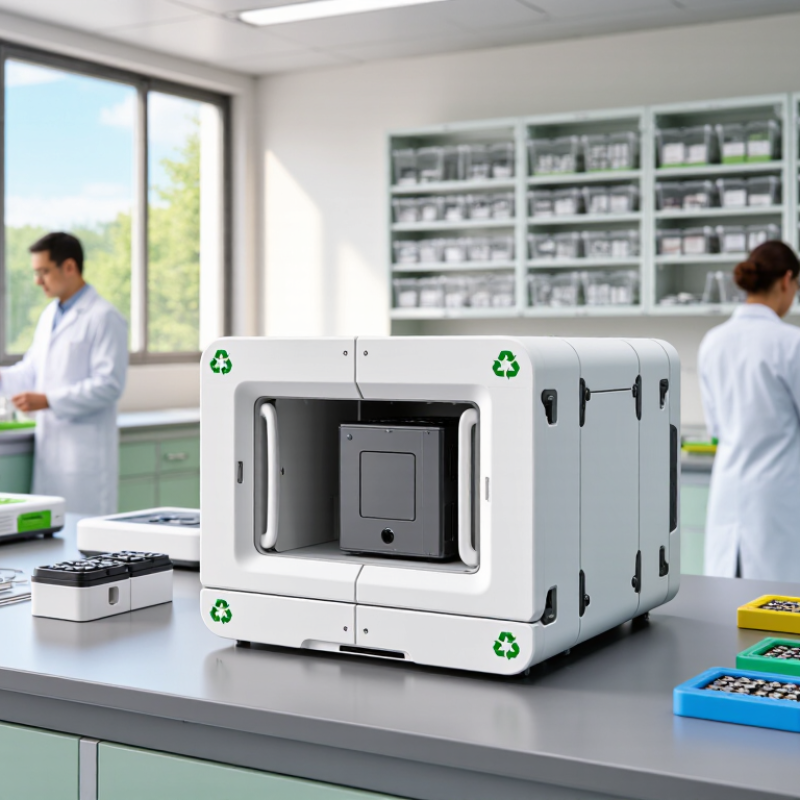
7 Best Ways Sustainable Design Impacts Medical Devices?

Defining Sustainable Design in Medical Device Development

Defining Sustainable Design in Medical Device Development

Sustainable design means reducing environmental harm across a device’s complete life cycle. It includes materials, manufacturing, transport, use, cleaning, and disposal. More than recycling. The 2019 Health Care Without Harm and Arup report estimated that healthcare creates about 4.4% of global greenhouse gas emissions. Medical devices contribute through energy use, packaging, sterilization, and discarded components.

Design decisions begin before production. Engineers can reduce material volume without weakening structural safety. They can also create removable batteries, replaceable sensors, and housings that separate easily during recycling. A compact monitor may require less transport space. However, a lighter casing is not sustainable if it cracks after repeated cleaning. That failure increases replacements, waste, and clinical disruption. Safety, biocompatibility, infection control, and performance must remain measurable requirements. Sustainable design should support these requirements, not compete with them.

Life-cycle assessment provides stronger evidence than attractive claims. ISO 14040 and ISO 14044 offer recognized methods for comparing environmental impacts. The 2024 United Nations Environment Programme Global Resources Outlook projects global material extraction could rise 60% by 2060 from 2020 levels. That pressure makes material efficiency increasingly important. Teams should record carbon emissions, water use, packaging weight, service life, and recovery rates. Some choices will remain imperfect. A reusable component may consume more energy during cleaning. Engineers must test the real trade-off, document assumptions, and revise the design when field data disagrees.

Reducing Materials, Energy Use, and Manufacturing Waste

7 Best Ways Sustainable Design Impacts Medical Devices?
Reducing Materials, Energy Use, and Manufacturing Waste

Sustainable medical-device design starts with fewer materials, not merely recycled packaging. Designers can reduce part counts, remove unnecessary coatings, and select durable materials that support safe reuse. The United Nations Environment Programme reported that global material extraction reached 106 billion tonnes in 2019. It may rise by 60% by 2060. Medical products cannot ignore that pressure.

Use modular components for easier repair and upgrading. Design slimmer packaging with fiber-based inserts and fewer mixed materials. Apply life-cycle assessment before production, including raw materials, sterilization, transport, and disposal. The International Organization for Standardization’s ISO 14040 framework supports this wider evaluation. Small design decisions matter. A lighter device can reduce shipping energy, but durability must remain clinically reliable.

Manufacturers can lower energy use through efficient molding, shorter production cycles, and renewable electricity. They can also capture process scrap and prevent defective batches. The World Health Organization estimates that 15% of healthcare waste is hazardous, requiring careful treatment. Safer separation at the device-design stage can reduce contamination and disposal burdens. Yet sustainability claims need evidence. A recyclable component may fail in real facilities when collection systems are unavailable. That uncomfortable gap deserves testing, not optimistic wording. Healthcare already produces about 4.4% of global emissions, according to Health Care Without Harm’s Global Road Map for Health Care Decarbonization. Device teams should measure actual material, energy, and waste reductions across the full product life cycle.

Improving Device Safety, Durability, and Patient Outcomes

Sustainable design can improve medical-device safety, durability, and patient outcomes through seven practical choices. These include safer materials, stronger housings, modular components, intuitive controls, lower energy use, repairable parts, and cleaner end-of-life separation. A durable enclosure can resist drops beside a hospital bed. A modular sensor can be replaced without discarding the entire device. These details reduce downtime, maintenance errors, and interruptions during treatment. Small changes matter.

The WHO reports that healthcare generates about 85% general waste and 15% hazardous waste in its 2024 Health-care Waste fact sheet. Better material selection and separation can reduce hazardous disposal risks. Health Care Without Harm’s Health Care’s Climate Footprint report estimates healthcare creates 4.4% of global greenhouse-gas emissions, with supply chains producing 71% of that footprint. Lifecycle assessment should therefore examine manufacturing, sterilization, transport, use, and disposal. Energy-efficient equipment may also reduce heat exposure and operating costs. Yet recyclable materials are not automatically safer. A lighter casing may crack sooner. That trade-off needs testing. WHO’s Global Patient Safety Action Plan notes that one in ten patients experiences harm in healthcare, with over half considered preventable. Clear alarms, reliable interfaces, and fail-safe maintenance can help reduce avoidable mistakes, although real-world user data is often incomplete.

7 Best Ways Sustainable Design Impacts Medical Devices? - Improving Device Safety, Durability, and Patient Outcomes

No. Sustainable Design Approach Relevant Design Data Safety and Durability Impact Potential Patient Outcome Recommended Evidence or Metric
1 Choose safer, lower-impact materials
Use materials with documented biocompatibility, chemical stability, and suitable end-of-life options.
Patient-contacting materials require biological evaluation under ISO 10993, according to the type and duration of contact. Reduces risks associated with irritation, sensitization, cytotoxicity, chemical migration, and premature material degradation. Fewer material-related complications and improved tolerance during intended use. Biological evaluation plan; extractables and leachables assessment where applicable; material traceability; documented recycled-content or end-of-life rationale.
2 Design for reprocessing and safe reuse
Enable effective cleaning, disinfection, sterilization, inspection, and drying when reuse is intended.
Reusable devices must specify validated reprocessing instructions and the maximum number of supported reprocessing cycles. Smooth surfaces, accessible channels, fewer traps, and compatible materials can reduce residual contamination and wear. Lower risk of healthcare-associated infection when the device is reprocessed correctly. Cleaning and sterilization validation; simulated-use testing; post-cycle functional testing; inspection criteria; failure rate by reprocessing cycle.
3 Extend service life through durability
Engineer components to withstand expected mechanical, thermal, chemical, and electrical stresses.
Durability requirements should reflect the device’s intended use, storage conditions, transport stresses, and validated service life. Longer reliable operation can reduce premature replacement, functional failures, and maintenance-related interruptions. More consistent device availability and fewer interruptions to diagnosis or treatment. Accelerated aging; drop, vibration, and fatigue testing; ingress protection testing where relevant; mean time between failures; warranty-return analysis.
4 Make devices repairable and upgradeable
Use replaceable modules, accessible fasteners, diagnostic functions, and documented repair procedures.
A modular architecture allows failed subassemblies to be replaced without discarding the complete device, provided safety and performance remain controlled. Supports controlled maintenance and reduces the likelihood that minor faults become total device failures. Improved access to functioning equipment and potentially shorter service interruptions. Repair time; spare-part availability; post-repair verification; calibration records; percentage of failures resolved by component replacement.
5 Reduce energy and resource consumption
Optimize standby power, battery use, operating cycles, water consumption, and consumable requirements.
Electrical medical equipment is assessed against applicable safety and essential-performance requirements in the IEC 60601 series. Efficient power management can reduce overheating, battery depletion, unexpected shutdowns, and operating costs. Greater availability and more reliable performance during clinical use or home care. Energy per use; standby power; battery cycles; charging time; water and consumable use per procedure; thermal-performance testing.
6 Minimize packaging without compromising sterility
Use right-sized packaging, eliminate unnecessary layers, and select materials compatible with the required barrier performance.
Sterile barrier systems must maintain package integrity throughout sterilization, transport, storage, and handling until the point of use. Protective, validated packaging reduces damage, contamination, moisture exposure, and avoidable product loss. Lower risk of receiving damaged or non-sterile products and fewer delays caused by unusable devices. Package weight and volume; material composition; seal-strength testing; dye or leak testing; distribution simulation; aging and sterility-maintenance studies.
7 Integrate human factors and life-cycle risk management
Design sustainable workflows that remain simple, intuitive, and safe for clinicians and patients.
Risk management follows ISO 14971, while usability engineering for medical devices is addressed by IEC 62366-1. Clear controls, feedback, alarms, instructions, and maintenance prompts can reduce use errors and unsafe workarounds. Improved adherence, fewer use-related errors, and more dependable treatment or monitoring. Task-success rate; use-error frequency; alarm response time; training burden; complaint trends; post-market surveillance data.

Note: Sustainability improvements must not reduce essential performance, sterility assurance, cybersecurity, electrical safety, biocompatibility, or compliance with applicable medical-device regulations.

Designing for Repair, Reuse, Recycling, and Safe Disposal

Sustainable design changes medical devices long before they reach a hospital. Engineers can use modular housings, replaceable batteries, and standard fasteners. These choices help trained technicians repair faults without discarding the entire unit. Repair comes first. A service manual should show torque settings, inspection points, and safe testing procedures. Clear diagnostic codes can also reduce unnecessary part replacement.

Reuse requires more than a durable shell. Devices need smooth surfaces, sealed joints, and materials that tolerate validated cleaning processes. Reusable components should separate from electronic parts before disinfection. A small sensor module, for example, may be replaced while the main enclosure remains in service. That sounds simple. In practice, repeated cleaning can weaken seals and affect accuracy. Designers must test those changes under realistic clinical conditions, not only in a laboratory.

Recycling becomes easier when materials are identified and kept to a minimum. Screws, clips, circuit boards, and batteries should be easy to separate with common tools. Marked plastic types can support proper sorting. Safe disposal also depends on clear instructions for sharps, contaminated parts, batteries, and electronic waste. Healthcare workers need practical labels at the point of use. Disposal guidance should reflect local requirements and facility procedures. The approach is not flawless. A device may be repairable but still too costly to refurbish. Lifecycle data, technician feedback, and incident reviews can reveal that gap. Designing sustainably means accepting those findings and improving the next version.

Measuring Environmental, Economic, and Regulatory Benefits

7 Best Ways Sustainable Design Impacts Medical Devices

Measuring Environmental, Economic, and Regulatory Benefits

Sustainable design begins with measurable choices. Engineers can reduce material use, select safer inputs, and simplify device assembly. A thinner plastic housing may lower waste and transport emissions. It must still survive drops, sterilization, and repeated handling. Patient safety cannot become an environmental trade-off.

Energy use also matters. A design team can measure electricity during molding, testing, and sterilization. Small changes in cycle time can reduce factory consumption.

Reusable trays may cut packaging waste. However, cleaning them requires water, chemicals, and validated processes. The method is not perfect. A full lifecycle review reveals these hidden costs.

Economic value appears through longer service life, fewer repairs, and lighter shipping cartons. A hospital may spend less when components remain available for several years. Standardized parts can simplify maintenance and reduce training time.

Yet sustainable materials sometimes cost more at purchase. That weakness deserves honest reporting.

Regulatory benefits come from stronger evidence, including material records, risk assessments, supplier declarations, and lifecycle data. Clear documentation can support design reviews and environmental claims. It may also reduce delays when requirements change. Still, compliance is not guaranteed by using recycled content or less packaging. Every claim needs testing, traceable records, and review against applicable medical-device and environmental requirements.

FAQS

What does sustainable design mean for medical devices?

It reduces environmental harm throughout materials, production, transport, use, cleaning, and disposal.

How can engineers reduce material use safely?

They can reduce part counts, unnecessary coatings, and material volume.

Why are modular components useful?

Removable batteries, replaceable sensors, and separable housings can support repair and recovery.

How should packaging be improved?

Slimmer cartons, fiber-based inserts, and fewer mixed materials can reduce packaging waste.

What should a life-cycle assessment measure?

It should compare material extraction, manufacturing, energy, water, transport, sterilization, use, and disposal.

Can reusable components always reduce environmental impact?

No.

How can manufacturing waste and energy use be reduced?

Efficient molding, shorter production cycles, and renewable electricity can lower factory energy demand.

What economic and compliance benefits can sustainable design provide?

Longer service life, fewer repairs, lighter cartons, and available components may reduce operating costs.

Conclusion

How Sustainable Design Impacts Medical Devices begins with integrating environmental responsibility into every stage of development, from material selection and production to use and end-of-life management. By reducing unnecessary materials, energy consumption, packaging, and manufacturing waste, designers can create devices with a lower environmental footprint while maintaining essential performance and reliability. Sustainable development also encourages safer materials, stronger construction, and user-centered features that can improve device durability, usability, and patient outcomes.

A sustainable medical device is also designed with its full life cycle in mind. Components may be easier to repair, reuse, separate, recycle, or dispose of safely, helping reduce waste and resource consumption. These strategies can lower long-term operating costs, support more efficient manufacturing, and strengthen compliance with evolving environmental and healthcare expectations. By measuring environmental, economic, safety, and regulatory benefits together, sustainable design enables medical device developers to deliver practical solutions that support patients, healthcare providers, and a more responsible future.

Aria

Aria

Aria is a dedicated marketing professional with a deep passion for innovative strategies and a keen understanding of our company's product offerings. With a wealth of experience in the industry, Aria excels at crafting engaging content that highlights the unique features and benefits of our......