Improve Medical Device Usability to Boost Global Sales?

Time:2026-08-09 Author:Isabella
0%

The medical device industry plays a critical role in healthcare. As competition intensifies, companies must focus on product usability. Improving usability can directly impact global sales. However, many devices struggle with user-friendliness, which can hinder their effectiveness.

How to improve medical device usability is a pressing question. Manufacturers need to gain insights from actual users. Engaging healthcare professionals in the design process can reveal overlooked issues. It is essential to prioritize intuitive interfaces and accessible instructions. These elements can greatly enhance the overall user experience.

Nonetheless, there are challenges to overcome. Some manufacturers may be reluctant to invest in usability testing. Others might underestimate the complexities involved. Continuous feedback and iteration are crucial. Reflecting on user experiences can lead to better designs. In turn, this fosters trust and reliability in medical devices, ultimately driving sales.
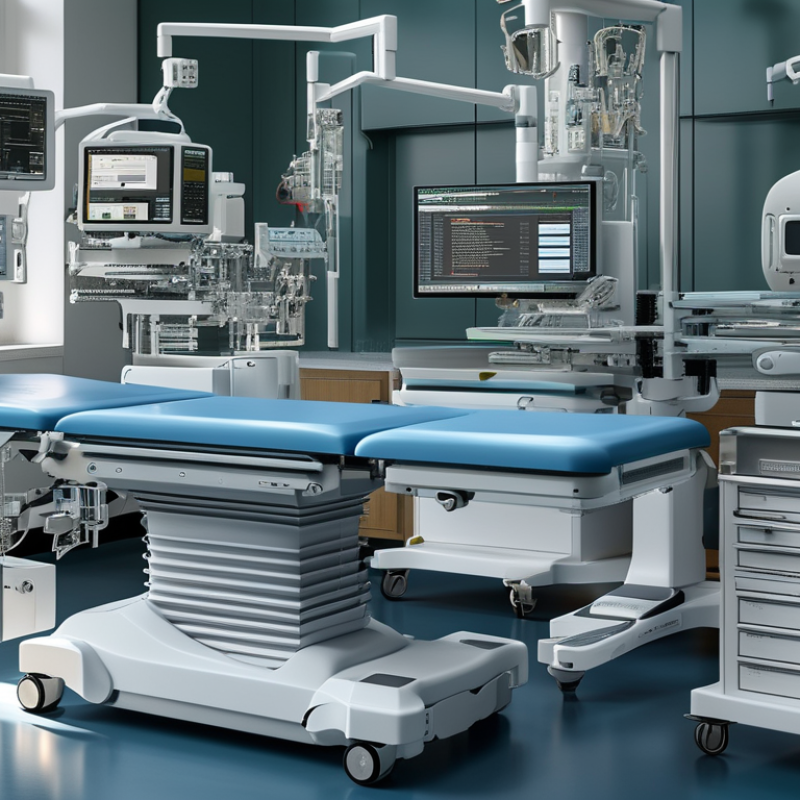
Improve Medical Device Usability to Boost Global Sales?

Enhancing Usability in Medical Devices: A Path to Increased Sales

Usability in medical devices directly impacts patient outcomes and sales. According to a report by the FDA, device usability issues contribute to nearly 30% of post-market recalls. This stark statistic highlights a crucial area for improvement. By focusing on intuitive design, manufacturers can enhance user experience, which can lead to fewer errors and improved patient safety.

Furthermore, a study by the International Journal of Medical Devices reveals that well-designed products can increase sales by 20% to 30%. Designers must consider the end-user, often healthcare professionals or patients. Engaging with these stakeholders during the design process can provide valuable insights. Usability testing should be a continual practice, not an afterthought. Often, companies overlook this aspect, thinking that technical precision alone suffices.

Projects that prioritize usability may require more initial investment. However, the potential for higher sales and fewer returns makes this a worthy endeavor. A talented team with diverse expertise can lead to innovative solutions. Striving for seamless integration of training and support tools is also essential. Flaws in usability design can hinder a product’s success and may lead to regret later. The path to increased sales starts with enhancing usability—it's time to prioritize this critical element.

Understanding the Impact of Usability on Patient Safety and Compliance

Usability in medical devices significantly impacts patient safety and compliance. Research indicates that approximately 80% of medical errors stem from issues related to device usability. Poor design and complex interfaces can lead to misinterpretation, incorrect usage, and ultimately jeopardize patient outcomes. Improving usability can decrease these risks and enhance safety.

One study by the National Institute of Health shows that when devices are user-friendly, adherence increases by 25%. This uptick is crucial for ensuring effective treatment and reducing hospital readmissions. However, many manufacturers overlook usability in their design processes. It is vital to prioritize not only function but also intuitive design that simplifies the user experience.

Tips: Always involve end-users in the design phase. Their feedback is invaluable. Consider usability testing as an essential part of the development process. This step can preemptively identify potential issues. Educating healthcare practitioners about device functionalities can also improve compliance. Engage with users regularly, revisiting designs based on their experiences.

Key Statistics: User Experience and Market Penetration in Medical Device Sector

In the medical device sector, user experience plays a crucial role in market penetration. Studies show that effective design can enhance usability and drive sales. For example, devices that are intuitive and user-friendly often see higher adoption rates among healthcare professionals. This correlation indicates that simplifying interfaces can lead to improved outcomes for users.

However, some devices still present significant usability challenges. Complex instructions or non-intuitive controls can frustrate users. These issues often result in decreased trust and reluctance to incorporate new technologies. Companies must prioritize user feedback during the development process to address these shortcomings. Engaging with clinicians and patients can lead to better alignment between device design and real-world needs.

Despite advancements, ongoing usability concerns remain. Many products lack comprehensive training resources, leaving users struggling to understand device features. Addressing these gaps is essential for boosting global sales. By focusing on the user experience, the medical device industry can improve outcomes and strengthen market position.

Strategies to Optimize Medical Device Design for User-Centric Navigation

User-centric navigation in medical device design is crucial. A study by the National Institute of Health (NIH) reveals that over 30% of medical errors occur due to poor usability. Devices that are intuitive can significantly reduce these errors. When healthcare professionals can operate devices without extensive training, patient safety improves.

To optimize design, involve users early in the development process. Gather feedback through surveys and user testing. Implementing iterative design, where user input is actively sought, leads to devices tailored for usability. For instance, a report by the FDA highlights that products designed with user input saw a 23% increase in successful task completion rates.

Tips: Focus on creating clear visual instructions. Ensure the controls are labeled simply, and avoid technical jargon. Implementing color coding can also help in quick recognition. Don't overlook accessibility features. Designs should cater to all users, including those with disabilities. Regularly review user experiences. A device’s design may need adjustments over time as healthcare practices evolve. This ongoing assessment fosters improvement and encourages user engagement.

Medical Device Usability Improvement Strategies - Global Sales Impact

Case Studies: Successful Usability Improvements Leading to Sales Growth

Improving the usability of medical devices can lead to significant sales growth. A well-designed device not only enhances patient outcomes but also improves user satisfaction. For instance, a particular case study highlighted how simplifying the interface of a complex monitoring system reduced user errors by 30%. This change resulted in increased trust among healthcare professionals, boosting overall sales.

Another case involved a surgical tool that was difficult to manipulate. Feedback from surgeons drove a redesign focusing on ergonomics. After implementing these changes, the manufacturer saw a notable uptick in sales. Users reported fewer physical strain and greater control during procedures. However, not all efforts yield instant results. Some improvements might not resonate with users initially and require further testing and refinement.

Listening to user feedback is crucial. It can reveal hidden usability flaws that even seasoned designers might overlook. Continuous iteration is key. Each minor design tweak can lead to significant sales boosts when appropriately executed. Understanding the user experience remains a vital aspect of the medical device industry.

Improve Medical Device Usability to Boost Global Sales

Case Study Usability Improvement Sales Growth (%) Time Period Market Feedback
Study A Enhanced User Interface & Training 25% 6 months Positive reviews, improved user satisfaction
Study B Simplified Navigation & Onboarding 30% 1 year High demand increase, better retention
Study C Integrated Feedback Mechanism 40% 9 months Consistent user engagement, enhanced loyalty
Study D User-Centric Design Overhaul 35% 1.5 years Remarkable feedback, improved overall experience

FAQS

: How does usability impact patient safety?

: Usability in medical devices significantly affects patient safety. Poor design can lead to errors and jeopardize outcomes.

What percentage of medical errors relate to device usability?

Research shows around 80% of medical errors stem from usability issues in medical devices.

Can better usability improve compliance?

Yes, user-friendly devices can increase patient adherence by 25%, helping ensure effective treatment.

Why do manufacturers overlook usability?

Many manufacturers focus on functionality but neglect intuitive design, which simplifies user experience.

What should manufacturers do during the design phase?

Involve end-users; their feedback is crucial for identifying usability issues early in the process.

How can healthcare practitioners improve compliance?

Educating them on device functionalities enhances their understanding and can lead to better compliance.

Are all usability improvements instantly effective?

No, some changes may take time to resonate with users and require further testing.

What is the impact of user feedback in design?

User feedback reveals hidden flaws that even experienced designers might miss, making it essential.

What can happen if usability is ignored?

Ignoring usability can hinder patient safety and lead to increased medical errors over time.

How important is continuous iteration in design?

Continuous iteration helps refine designs, leading to better user experiences and potential sales growth.

Conclusion

The article "Improve Medical Device Usability to Boost Global Sales?" explores the crucial link between usability in medical devices and market success. It emphasizes that enhancing usability not only increases patient safety and adherence to medical protocols but also significantly contributes to market penetration. Key statistics indicate that improved user experiences can lead to stronger sales figures.

To achieve this, the article outlines strategies for optimizing medical device design that focus on user-centric navigation. By analyzing case studies showcasing successful usability improvements, the article illustrates how companies can effectively implement these strategies. This aligns with the overarching question of "How To Improve Medical Device Usability," revealing that prioritizing user experience is a vital pathway to boosting sales and fostering patient trust in medical technologies.

Isabella

Isabella

Isabella is a dedicated marketing professional with a sharp focus on driving brand growth and engagement through strategic content creation. With an extensive background in digital marketing, she combines her passion for storytelling with her keen understanding of industry trends to deliver......