Top 10 Key Trends Shaping the Global Medical Device Market?

Time:2026-06-04 Author:Sophia
0%

The global medical device market is undergoing significant transformation. Several key trends are emerging. These trends are reshaping how medical devices are developed, marketed, and utilized.

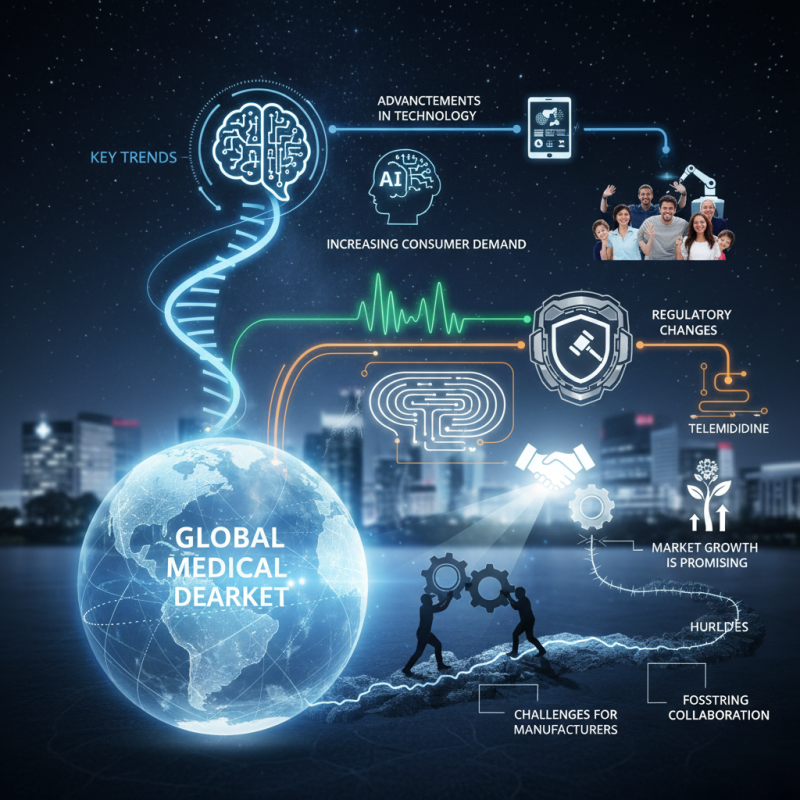
Key trends in the global medical device industry include advancements in technology and increasing consumer demand. Innovative technologies, like artificial intelligence and telemedicine, are changing patient care dynamics. At the same time, regulatory changes are impacting device approval processes. These shifts pose challenges for manufacturers who must adapt to remain competitive.

Market growth is promising, yet not without hurdles. Manufacturers may struggle with compliance and maintaining product quality. As healthcare priorities evolve, it urges companies to rethink their strategies. Fostering collaboration between stakeholders can illuminate the path forward. These key trends call for reflection and adaptation in an ever-evolving landscape.
Top 10 Key Trends Shaping the Global Medical Device Market?

Emergence of Telemedicine and Remote Patient Monitoring Technologies

The rise of telemedicine and remote patient monitoring (RPM) has rapidly transformed healthcare delivery. According to a report from Grand View Research, the telemedicine market is projected to grow at a compound annual growth rate (CAGR) of 23.4% from 2021 to 2028. This growth illustrates the increasing acceptance of digital health solutions by patients and providers alike.


Telemedicine allows patients to consult healthcare professionals from the comfort of their homes. This convenience is crucial for managing chronic conditions and reducing hospital visits. Remote patient monitoring technologies empower patients to track their health metrics continuously. Devices such as wearable heart monitors and glucose levels trackers provide real-time data to healthcare providers, enhancing patient care. Despite these advances, barriers exist. Issues like data privacy concerns and disparities in access to technology still need to be addressed.


As the healthcare landscape evolves, integrating telemedicine and RPM into standard practice is essential. A study published in the American Journal of Managed Care found that 76% of patients expressed a willingness to use remote care solutions post-pandemic. While these figures are promising, ensuring all population segments benefit equally remains a challenge that healthcare systems must confront.

Advancements in Wearable Medical Devices and Health Tracking

The wearable medical device market has seen remarkable advancements. These devices are now more sophisticated than ever. They track vital signs, monitor health metrics, and even detect anomalies. Users can wear them comfortably all day. This constant feedback encourages proactive health management.

However, the integration of health tracking technology raises some questions. Data privacy is a significant concern. Users must trust that their personal information is secure. Additionally, the accuracy of these devices varies. While many offer valuable insights, others may fall short. This inconsistency can lead to potential misinterpretations of health data. It's essential for consumers to remain vigilant and knowledgeable.

Healthcare professionals are increasingly utilizing wearables in clinical settings. Data collected helps in making informed decisions. Yet, relying solely on these devices can be risky. They should complement, not replace, traditional medical evaluations. The relationship between patients and wearable technology requires ongoing adjustment. Balancing convenience and safety is crucial in this evolving landscape.

Integration of AI and Machine Learning in Medical Device Development

The integration of artificial intelligence (AI) and machine learning (ML) in medical device development represents a pivotal shift in the industry. A recent report by Grand View Research estimates that the global medical device market will reach $612 billion by 2025. AI and ML technologies are projected to significantly accelerate this growth, with their application expected to improve diagnostic accuracy and patient outcomes. Enhancing these aspects could reshape clinical practices and drive better healthcare solutions.

Implementing AI in device development allows for real-time data analysis. It can identify patterns and anomalies in patient data more efficiently than traditional methods. A study published in the Journal of Medical Internet Research noted that AI algorithms could reduce diagnosis time in radiology by up to 50%. However, the rapid advancement of these technologies raises concerns about data privacy and ethical implications. As machine learning models become more complex, transparency in decision-making processes remains a challenge.

While AI can enhance efficiency, there are still hurdles to overcome. Integrating these technologies into existing workflows often requires significant changes to both infrastructure and training. Many healthcare professionals express uncertainty about relying on AI for critical decisions. Balancing innovation and caution is crucial. A report by Deloitte underscores that the effectiveness of AI relies not just on technology but also on how well it fits into the healthcare ecosystem. This presents a reflective opportunity for the industry to consider broader implications.

Regulatory Changes and Compliance Challenges in Global Markets

Regulatory changes are reshaping the global medical device market significantly. Agencies worldwide are updating compliance standards. These updates can create challenges for manufacturers. It's crucial for companies to stay informed about evolving regulations. Many regions now require more stringent testing and validation processes. This can be burdensome, especially for smaller firms.

Compliance challenges often arise from varying regional requirements. Each market may have unique rules, which can complicate product launches. Understanding these differences requires expertise and thorough research. Manufacturers must invest in training and resources to navigate regulations effectively. Failure to comply can lead to costly penalties or product recalls.

The landscape is not static. Ongoing shifts in regulations require constant attention. Industry stakeholders must approach these changes with flexibility. Monitoring developments is vital for long-term success. Organizations need to adapt quickly to maintain compliance. This can be daunting, yet it presents opportunities for improvement and innovation. Understanding these challenges fosters resilience in a rapidly evolving market.

Top 10 Key Trends Shaping the Global Medical Device Market

Trend Description Impact on Market Regulatory Challenges Compliance Measures
Digital Health Integration Increasing use of digital tools alongside traditional devices. Growth in telemedicine and remote patient monitoring. Ensuring data security and patient privacy. Implementing strong cybersecurity measures.
Personalized Medicine Tailoring devices based on individual patient genetics and conditions. Enhancement of treatment efficacy. Navigating varying approvals across regions. Conducting extensive clinical trials.
Robotics and Automation Utilization of robotic systems for surgeries and other procedures. Improvement in precision and outcome reliability. Approval processes for novel technologies. Complying with rigorous performance standards.
Wearable Devices Devices that monitor health metrics continuously. Promotes proactive health management. Regulatory clarity on classifications. Ensuring data accuracy and safety.
Regulatory Harmonization Alignment of regulations across different countries. Facilitates easier market access. Diverse regulatory frameworks to navigate. Engagement with regulatory authorities.
Sustainability Practices Focus on eco-friendly materials and processes. Attracts eco-conscious consumers. Compliance with environmental regulations. Investing in sustainable technologies.
3D Printing Technology Customization of medical devices via 3D printing. Reduces costs and manufacturing times. Regulatory uncertainty around new manufacturing processes. Establishing standards for 3D printed devices.
Artificial Intelligence Integration of AI into diagnostics and device functionality. Enhances decision-making and patient outcomes. Ethical implications and accountability. Validating AI algorithms and their clinical relevance.
Data Analytics Usage of big data to inform device development. Leads to better patient insights and needs. Data ownership and sharing regulations. Implementing robust data governance frameworks.
Cybersecurity Protecting medical devices from cyber threats. Increases patient trust and safety. Constantly evolving threats. Regular updates and vulnerability assessments.

Growing Demand for Minimally Invasive Surgical Instruments

The demand for minimally invasive surgical instruments is rapidly increasing. A recent market analysis highlights the projected growth of this segment. The global minimally invasive surgery market is expected to reach approximately $58 billion by 2027, expanding at a CAGR of about 10% from 2020. This is driven by the rising preference for less invasive techniques among both surgeons and patients.

Minimally invasive procedures offer numerous advantages. They reduce recovery times, lead to less pain, and minimize scarring. Patients can often return to normal activities faster than with traditional surgeries. Despite these benefits, not all procedures have fully embraced these techniques. Some medical facilities still rely on older methods due to a lack of training or equipment. Addressing these gaps is crucial for the industry to thrive.

Moreover, the adoption of these instruments varies by region. North America currently leads the market due to high healthcare spending and advanced medical infrastructure. However, emerging markets show promising growth. Continued investment in training and technology is essential for overcoming barriers. Balancing innovation with traditional practices remains a challenge for the global healthcare community.

FAQS

: What are wearable medical devices used for?

: They track vital signs, monitor health metrics, and detect anomalies.

How comfortable are these devices to wear?

They are designed for all-day comfort.

What should users worry about regarding these devices?

Data privacy is a major concern. Users need to trust their personal information is secure.

Are the health metrics from wearables always accurate?

The accuracy varies. Some devices offer valuable insights, while others may not be as reliable.

Can wearable devices replace traditional medical evaluations?

No, they should complement traditional evaluations, not replace them.

What challenges do manufacturers face in the global market?

Regulatory changes and varying regional requirements complicate product launches.

How do compliance challenges affect manufacturers?

They can result in costly penalties or product recalls if not addressed.

Why is ongoing monitoring of regulations important?

The landscape is not static, and changes require quick adaptation for long-term success.

What can companies do to navigate regulatory changes?

Invest in training and resources to stay informed about evolving regulations.

How does this market landscape present opportunities?

Adapting to changes allows for growth and innovation in the industry.

Conclusion

The global medical device industry is witnessing several key trends that are significantly shaping its landscape. The emergence of telemedicine and remote patient monitoring technologies is revolutionizing patient care by enhancing accessibility and convenience. Additionally, advancements in wearable medical devices are enabling more effective health tracking, allowing individuals to monitor their well-being in real-time. Another notable trend is the integration of artificial intelligence and machine learning in medical device development, which is streamlining processes and improving diagnostics.

Moreover, regulatory changes and compliance challenges across global markets are influencing how companies operate, necessitating adaptability and innovation. Finally, the growing demand for minimally invasive surgical instruments reflects a shift towards less traumatic procedures, aligning with patient preferences for quicker recovery times and reduced hospital stays. These key trends in the global medical device industry are pivotal in driving advancements that enhance health outcomes and reshape the future of healthcare.

Sophia

Sophia

Sophia is a dedicated marketing professional with an exceptional depth of knowledge about her company's products and services. With a keen understanding of market trends and customer needs, she crafts insightful blog posts that not only inform but also engage readers, enriching the company’s online......