In the realm of emergency care, the role of medical devices has become crucial. Devices like defibrillators, ventilators, and intravenous pumps provide vital support when every second counts. Emergency teams rely on these technologies to stabilize patients and ensure swift treatment. How medical devices support emergency care is evident in their ability to monitor vital signs and deliver timely interventions.
The integration of advanced monitoring systems allows healthcare professionals to make informed decisions in high-pressure situations. These devices help bridge critical gaps in care. However, the reliance on technology also raises concerns. When malfunction occurs, it can lead to dire consequences. Professionals must be well-trained to handle both the devices and potential failures.
Moreover, disparities in access to these medical devices exist worldwide. Urban areas may have cutting-edge technology, while rural hospitals struggle with older models. This inconsistency highlights the need for improvement in global healthcare systems. Implementing effective solutions is essential for enhancing emergency care universally.
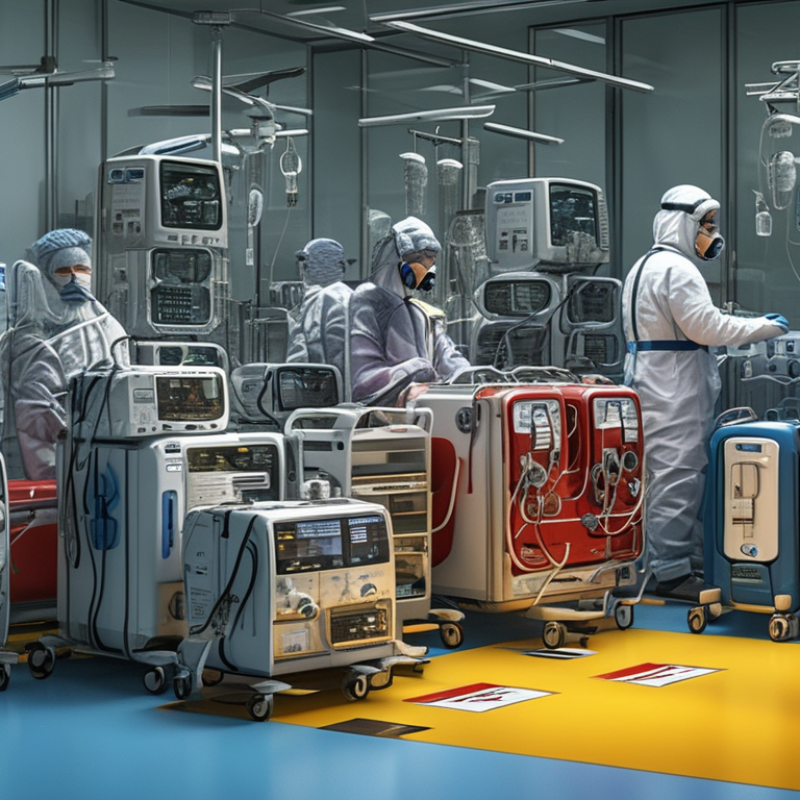
Emergency Medical Services (EMS) rely heavily on medical devices to provide timely and effective care. In many regions, the survival rate for cardiac arrest is significantly linked to the availability of automated external defibrillators (AEDs). Studies show that the use of AEDs can double or even triple the chances of survival. Moreover, advanced airway management devices are crucial in managing patients' breathing in emergencies. A report from the World Health Organization indicates that timely intervention using these devices can reduce mortality rates considerably.
Tips: Ensure your EMS team is trained on the latest medical devices. Regular practice can prepare them for real-life emergencies.
Despite advancements, challenges remain. Access to essential medical equipment can vary by location. Rural areas often face delays due to limited resources. Healthcare systems must focus on enhancing training and distribution strategies for medical devices globally. A report by the Global Health Workforce Alliance highlights that nearly 80% of low-income countries struggle with inadequate medical equipment.
Tips: Advocate for local policies that improve emergency healthcare resources. Engage the community to raise awareness about available devices.
Investing in medical devices is vital. However, ongoing evaluations are necessary to ensure their effectiveness in real-world situations. Some devices may require updates or modifications to meet user needs. Addressing these gaps is essential for optimizing patient outcomes in emergency settings.
| Device Type | Primary Function | Global Reach | Impact on Emergency Care |
|---|---|---|---|
| Automated External Defibrillators (AEDs) | Emergency cardiac intervention | Widely used in public spaces | Increased survival rates for cardiac arrest victims |
| Portable Ultrasound Devices | Imaging and diagnostics in emergencies | Used in hospitals and remote areas | Faster diagnosis and treatment decisions |
| Mobile Blood Analysis Units | Rapid blood testing | Global deployment in emergency response | Quicker identification of critical conditions |
| Wearable Vital Sign Monitors | Continuous health monitoring | Used by paramedics and hospitals globally | Enhanced real-time data for life-threatening situations |
| Telemedicine Platforms | Remote consultation and triage | Accessible worldwide in emergencies | Improved access to care in remote locations |
: Defibrillators provide life-saving shocks to restore a regular heartbeat during cardiac emergencies. Quick access is critical.
Airway management tools ensure that patients can breathe effectively. Correct usage is essential for patient safety.
Regular drills and ongoing training enhance skills. Simulation training helps prepare for real-life emergency scenarios.
Battery life and connectivity issues can hinder wearable devices. Additionally, not all responders may be trained to use them.
Telemedicine allows immediate specialist guidance via video links. However, it cannot replace hands-on assessments entirely.
Trends focus on connectivity and integration of devices. Instant data sharing can improve decision-making during emergencies.
Data security and privacy risks may increase as technology advances. It's vital to address these issues.
AI can enhance predictive analytics for assessing complications. Yet, reliance on technology should not overshadow human intuition.
Education and ongoing training ensure responders can use new technology effectively while maintaining patient connection.
Technology is valuable, but hands-on assessments are irreplaceable. Human connection in care is crucial.
The article "How Medical Devices Enhance Emergency Care Solutions Globally?" explores the pivotal role of medical devices in emergency medical services worldwide. It highlights the essential types of medical devices, such as defibrillators, ventilators, and monitoring equipment that are critical for effective emergency care solutions. Innovative technologies are discussed, showcasing advancements that revolutionize emergency response, including telemedicine and portable diagnostic tools.
However, the article also addresses the challenges and limitations faced in crisis situations, such as accessibility and training issues. Looking ahead, future trends in medical device development promise to further enhance emergency care capabilities. Overall, this discussion effectively illustrates how medical devices support emergency care by improving response times, patient outcomes, and overall healthcare efficiency in urgent situations.

 MDV Medical