Top 10 Ways Portable Medical Devices Enhance Home Care Quality?

Time:2026-06-22 Author:Oliver
0%

The rise of portable medical devices significantly changes home care dynamics. These devices provide patients and caregivers with convenience and support. People now access better healthcare from their homes. The ease of monitoring vital signs enhances patient autonomy. How Portable Medical Devices Support Home Care creates a unique opportunity for enhanced quality of life.

Patients can track their health conditions remotely. Devices like blood pressure monitors and glucose meters empower users. They offer real-time data, improving decision-making. This technology fosters a proactive approach to health management. However, the reliance on these devices may create some challenges. Not all patients feel comfortable using technology. Some may struggle with device maintenance or understanding the data.

Home care is more than just convenience; it's about trust and communication. Healthcare professionals can remotely analyze information from these devices. This can lead to quicker adjustments in treatment plans. Nonetheless, there is a risk of over-reliance on technology. It’s vital to maintain human interaction in the care process. Balancing technology and personal touch is crucial for effective home care.
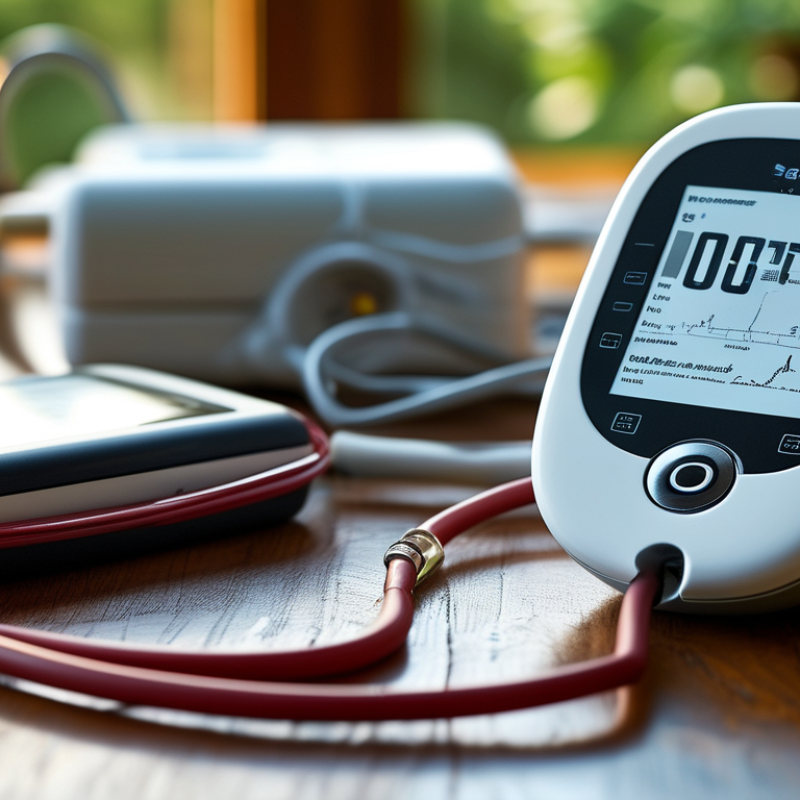
Top 10 Ways Portable Medical Devices Enhance Home Care Quality?

Benefits of Portable Medical Devices in Home Care Settings

Portable medical devices significantly improve home care quality by providing patients and caregivers essential tools. With real-time monitoring, these devices help track vital signs effectively. Patients can use portable blood pressure monitors or heart rate trackers, which allow families to notice changes quickly. This immediate feedback fosters better communication between patients and healthcare providers.

Moreover, portability means these devices can be used anywhere in the home. A portable glucose meter helps diabetics check their levels without complicated setups. This convenience empowers patients to take charge of their health. However, reliance on technology raises concerns. Are caregivers trained enough to interpret the data? Misinterpretations can lead to anxiety or neglect.

Furthermore, despite their advantages, portable devices can also introduce challenges. Battery life is often limited, and periodic malfunctions can disrupt care routines. Regular checks and maintenance are necessary. Caregivers need to remain vigilant and adaptable. The integration of these devices in home settings is complex and demands ongoing education and support.

Improving Patient Monitoring with Wearable Health Technology

Wearable health technology plays a crucial role in enhancing patient monitoring at home. Devices like smartwatches and fitness trackers can track vital signs. They monitor heart rates, sleep patterns, and activity levels. This continuous data collection provides real-time insights for healthcare providers. It empowers patients to engage in their health actively.


However, these devices are not without limitations. Accuracy can vary, leading to overreliance on the data they provide. Issues such as connectivity and battery life can disrupt monitoring. Patients may struggle with the technology, leading to inconsistent use. These factors can create gaps in care that need addressing.


The integration of this technology into home care requires careful consideration. Healthcare providers must ensure usability for all patients, regardless of their tech-savviness. Monitoring data must be interpreted correctly to guide treatment effectively. Balancing innovation with practical patient needs is essential for improving health outcomes.

Enhancing Medication Management through Portable Devices

Portable medical devices are transforming home care, especially in medication management. According to a report by the National Center for Biotechnology Information (NCBI), up to 50% of patients do not take their medications as prescribed. This poor adherence can lead to serious health complications and increased healthcare costs. Portable devices, such as smart pill dispensers, remind patients when to take their medications. They also track the dosage taken and alert caregivers if a medication was missed.

Data from the Pew Charitable Trusts highlights that 84% of older adults would benefit from mobile health technology. These devices enhance engagement and empower patients. Consider the case of electronic pillboxes that sync with mobile apps. They provide real-time updates to health professionals, ensuring that any medication-related issues are addressed promptly. Despite these advancements, there remain challenges. Not all patients are tech-savvy, and some may struggle with the initial learning curve. This gap needs attention for these devices to be truly effective in enhancing home care quality.

Facilitating Remote Consultations and Telehealth Services

Remote consultations and telehealth services have revolutionized home care. Patients can now access healthcare professionals without leaving their homes. Portable medical devices enable real-time monitoring. This feature is vital for managing chronic conditions effectively. For instance, a patient with diabetes can share glucose levels instantly with their doctor. This allows for timely adjustments to their treatment plan.

Yet, these advancements come with challenges. Technical issues may arise during virtual consultations. Not everyone is comfortable with technology. Some elderly patients may struggle to adapt to these devices. Training is essential to ensure they feel confident. Clear instructions and support can help bridge the gap.

Moreover, data privacy concerns persist. Patients must feel secure sharing sensitive information online. Enhancing encryption and security protocols is crucial. Trust in these technologies, while necessary, is often tested. Striking a balance between ease of access and security is a complex endeavor. Ultimately, the effectiveness of telehealth hinges on preparedness and adaptability.

Empowering Patients with Personal Health Tracking Tools

Portable medical devices are transforming home care, especially through personal health tracking tools. These devices empower patients to monitor their health in real time. They can track vital signs like heart rate and blood pressure. This instantaneous feedback can motivate patients to stay proactive about their health.

Some devices are user-friendly, making them accessible for all ages. However, technical issues can arise. A patient may struggle with setup or data interpretation. Regular follow-ups with healthcare providers can address these concerns. Empowering patients also means providing them with guidance on using these tools effectively.

The data collected by these devices can be invaluable. They allow for customized health plans tailored to individual needs. But patients must share this information with their healthcare teams. Miscommunication can lead to gaps in care. Ultimately, fostering a culture of collaboration is essential for enhancing home care quality through technology.

FAQS

: What are the benefits of portable medical devices in home care?

: They improve care quality by providing real-time monitoring and tracking of vital signs.

How do portable devices facilitate communication between patients and caregivers?

They offer immediate feedback, allowing families and healthcare providers to notice changes quickly.

What challenges do portable medical devices introduce?

Battery life can be limited, and technical malfunctions may disrupt care routines.

Are caregivers trained to interpret data from portable devices?

Training is crucial, as misinterpretations can lead to anxiety or neglect of patient needs.

How do remote consultations benefit home care?

They allow patients to access care without leaving home, facilitating management of chronic conditions.

Why is data privacy important for telehealth services?

Patients need to feel secure when sharing sensitive health information online.

What issues might elderly patients face with technology?

Some may struggle with adaptation, so support and clear instructions are essential.

How can personal health tracking tools empower patients?

They enable self-monitoring, motivating patients to take proactive control of their health.

What is necessary for fostering collaboration between patients and healthcare teams?

Patients must share data regularly to avoid gaps in care.

What can improve the effectiveness of telehealth services?

Preparedness and adaptability are key to overcoming technical issues during consultations.

Conclusion

Portable medical devices significantly enhance the quality of home care by providing numerous benefits that empower both patients and caregivers. How Portable Medical Devices Support Home Care is evident in their ability to improve patient monitoring through wearable health technology, which facilitates real-time tracking of vital signs and health metrics. These devices enable better medication management by reminding patients to adhere to their prescriptions, thereby reducing the risk of missed doses.

Moreover, portable medical devices enhance the efficiency of remote consultations and telehealth services, allowing healthcare providers to engage with patients from a distance while minimizing the need for in-person visits. Additionally, personal health tracking tools empower patients to take charge of their health, promoting proactive management and greater awareness of their conditions. Overall, the integration of these devices into home care settings leads to improved health outcomes and a more streamlined care experience.

Oliver

Oliver

Oliver is a seasoned marketing professional with a wealth of expertise in driving brand awareness and engagement. With a deep understanding of our company's product offerings, he consistently delivers high-quality content that enriches our professional blog. His insights not only shed light on......