How To Reduce Medical Equipment Downtime in 2026?

Time:2026-06-16 Author:Charlotte
0%

In 2026, healthcare facilities face mounting pressures to minimize downtime of medical equipment. Dr. Emily Carter, a leading expert in medical device management, emphasizes, "Reducing equipment downtime is crucial for patient care." Discovering effective strategies to achieve this goal is essential for improving overall operational efficiency.

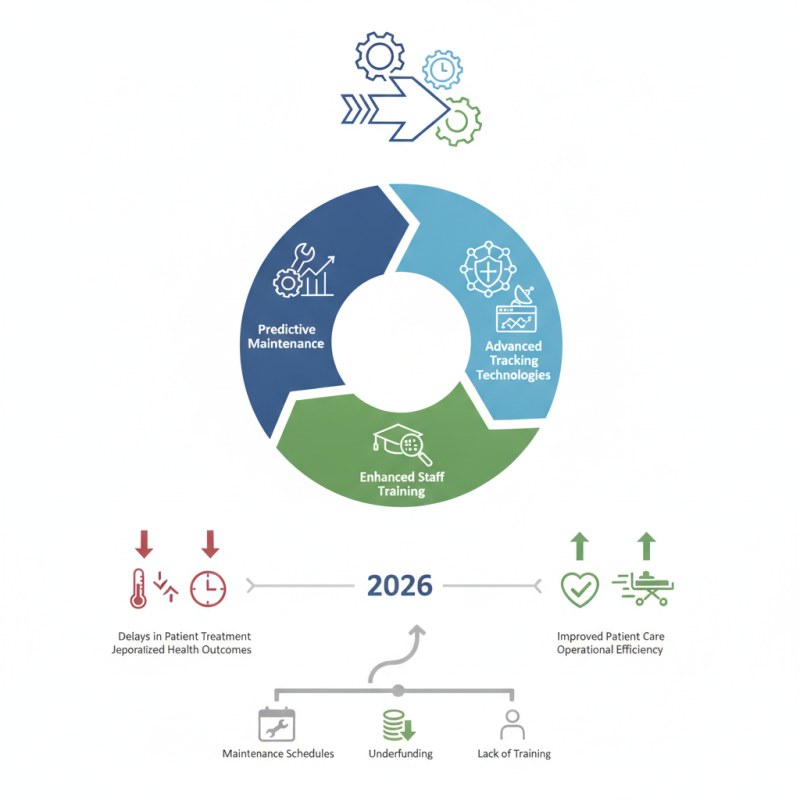
Medical equipment downtime can have significant consequences. It results in delays in patient treatment and can jeopardize health outcomes. However, understanding how to mitigate this issue remains a challenge for many hospitals. The industry often struggles with maintenance schedules, underfunding, and lack of adequate training for personnel.

Innovative approaches may help solve these problems. Implementing predictive maintenance and enhancing staff training programs could lead to decreased downtime. Moreover, using advanced tracking technologies can provide real-time data on equipment status. As we explore how to reduce medical equipment downtime, it becomes evident that a multifaceted strategy is necessary for success.
How To Reduce Medical Equipment Downtime in 2026?

Strategies for Implementing Predictive Maintenance in Medical Equipment

Predictive maintenance is crucial for reducing medical equipment downtime in 2026. Implementing smart strategies can enhance reliability and efficiency. The goal is to foresee issues before they disrupt operations. Regularly monitoring equipment performance offers valuable insights. It can help identify patterns that indicate potential failures.

Tips for Effective Predictive Maintenance:

1. Utilize data analytics to track equipment performance. Collect and analyze data continuously. This can help detect early warning signs.
2. Train staff on maintenance protocols. Knowledgeable technicians are key. They can spot anomalies that software might miss.
3. Develop a maintenance schedule based on equipment usage. Overlooking this can lead to unexpected breakdowns and increased costs.

Establishing a culture of proactive maintenance requires commitment. Facilities should prioritize investing in training and resources. However, not all machinery will respond equally well. Some older models may still have frequent downtimes, regardless of monitoring. Thus, be ready to evaluate which strategies suit different equipment types. A balanced approach is essential for maximizing operational efficiency.

Using Real-Time Monitoring to Reduce Downtime by Up to 30%

In 2026, medical facilities face escalating demands for operational efficiency. Real-time monitoring presents a pivotal solution to reducing equipment downtime. By implementing real-time tracking systems, facilities can keep tabs on equipment status. This technology can detect issues before they escalate, potentially reducing downtime by 30%.

Careful preparation is critical. Facilities must regularly update their monitoring systems. Training staff on these systems also ensures they know how to respond quickly. Communication about equipment conditions fosters a proactive culture, encouraging swift repairs and maintenance. Facilities must remain vigilant about data accuracy. Misleading signals may lead to unnecessary downtime.

Implementing this technology isn’t without challenges. Initial setup costs can be significant and training may take time. Resistance to change might arise among staff. Reflection on these hurdles is essential. However, the long-term benefits of fewer equipment failures far outweigh these initial obstacles. Investing in real-time monitoring could lead to improved patient outcomes and streamlined operations.

Establishing Efficient Training Programs for Medical Equipment Operators

In 2026, the healthcare landscape demands more efficient training programs for medical equipment operators. Studies show that inadequate training can contribute to over 30% of equipment downtime. A skilled operator significantly reduces errors that lead to device malfunction. Therefore, investing in comprehensive training is essential.

Simulation-based training is gaining traction. It offers hands-on experience without risking actual patient safety. A report from the Medical Device Innovation Consortium highlights that facilities implementing routine simulation training saw a 25% reduction in equipment-related incidents. However, many institutions still overlook the importance of tailored training modules. Ignoring individual equipment specifics can leave gaps in operator knowledge.

Regular refresher courses should be standard practice. Staff turnover can lead to a loss of expertise. A recent survey from the Healthcare Technology Report indicates that 60% of hospitals do not provide ongoing education for existing staff. This oversight can prolong downtime. Facilities must evaluate their training strategies continuously. Addressing these issues can improve overall operational efficiency.

Leveraging IoT Technologies to Enhance Equipment Reliability

In 2026, leveraging IoT technologies presents a fresh approach to reducing medical equipment downtime. The Internet of Things (IoT) provides real-time monitoring of devices. Sensors can detect issues before they become significant. This data enables timely maintenance, thus minimizing disruption in healthcare services. Imagine a hospital where devices send alerts when performance dips. This proactive approach can save time and money.

However, implementing IoT is not without challenges. Many facilities face issues with integration and data management. Staff training is essential; without it, the full potential of these technologies might not be realized. Also, there can be concerns about data security. Vulnerabilities in connected devices might lead to unauthorized access. Thus, hospitals need robust cybersecurity measures.

Despite the hurdles, the benefits of IoT in enhancing equipment reliability are clear. Equipment can operate at optimal levels with proper monitoring. By addressing these challenges, healthcare providers can significantly reduce downtime. Achieving this requires collaboration, planning, and ongoing assessment. The path forward is complex, yet the promise of better patient care drives the efforts.

Analyzing the Impact of Regulatory Compliance on Equipment Availability

Regulatory compliance plays a critical role in the availability of medical equipment. In 2026, facilities must ensure they adhere to evolving regulations. Non-compliance can lead to prolonged downtimes. This can frustrate healthcare providers and patients alike. When regulations change, equipment often requires updates or modifications. These processes can take time, leading to interruptions in service.

Tips to ensure smooth compliance include regular staff training. Educate your team on new regulations as they arise. A knowledgeable staff can reduce compliance-related downtimes. Another effective strategy is to establish a proactive maintenance schedule. Performing regular checks can identify issues early, preventing unexpected breakdowns.

Moreover, keeping an open line of communication with regulatory bodies can be beneficial. Understanding their expectations helps you stay ahead. Embracing technology for compliance tracking is also recommended. This can streamline processes and minimize risks related to non-compliance. However, relying too much on technology without oversight can be a pitfall. Regular audits are still essential to maintain accuracy. Reflecting on these practices will help optimize equipment availability and efficiency.

How To Reduce Medical Equipment Downtime in 2026?

This chart illustrates the factors affecting medical equipment availability and their regulatory compliance impact on downtime reduction.

FAQS

: What is the main goal of predictive maintenance in medical equipment?

: The goal is to foresee issues before they disrupt operations and minimize equipment downtime.

How can data analytics help in predictive maintenance?

Data analytics tracks equipment performance continuously, detecting early warning signs and patterns indicating potential failures.

Why is staff training important for effective maintenance?

Knowledgeable technicians can spot anomalies that monitoring software might miss, improving overall maintenance outcomes.

What should be considered when developing a maintenance schedule?

Base the schedule on equipment usage to avoid unexpected breakdowns and additional costs.

How can real-time monitoring reduce downtime?

It detects issues before they escalate, potentially decreasing downtime by up to 30%.

What challenges may arise when implementing real-time monitoring?

Initial setup costs can be high, and staff may resist new systems, requiring time for training.

Why is regulatory compliance crucial for equipment availability?

Non-compliance can lead to longer downtimes and interruptions in service that frustrate healthcare providers and patients.

What are some strategies to ensure regulatory compliance?

Regular staff training and maintaining communication with regulatory bodies can help in staying compliant.

How can technology assist in compliance tracking?

Technology can streamline processes, but relying solely on it can lead to overlooking necessary audits for accuracy.

What is a common pitfall when implementing new maintenance strategies?

Overlooking the need for regular evaluations of which strategies work best for different equipment types.

Conclusion

In the quest to answer the question "How To Reduce Medical Equipment Downtime," several key strategies can be implemented. Firstly, adopting predictive maintenance can significantly enhance equipment reliability by anticipating failures before they occur. Coupled with real-time monitoring, which can reduce downtime by as much as 30%, healthcare facilities can ensure that their medical equipment remains operational and effective when needed most.

Moreover, establishing efficient training programs for medical equipment operators ensures that staff are well-equipped to handle and troubleshoot issues promptly. Incorporating IoT technologies further strengthens the reliability of equipment by providing continuous data analysis. Lastly, understanding the impact of regulatory compliance on equipment availability is crucial, as it can guide best practices and enhance overall operational efficiency in medical settings. By integrating these strategies, healthcare institutions can effectively minimize downtime and improve patient care.

Charlotte

Charlotte

Charlotte is a seasoned marketing professional with a deep understanding of the company's portfolio and a passion for elevating its presence in the market. With a keen eye for detail and a commitment to excellence, she ensures that our professional blog is regularly updated with insightful articles......