In recent years, the healthcare industry has seen a rapid transformation with the rise of smart hospitals. These institutions embrace innovative medical devices to enhance patient care and operational efficiency. According to a report by Deloitte, the global smart hospital market is expected to exceed $40 billion by 2026. This growth underscores the increasing importance of technology in improving health outcomes.
How smart hospitals use medical devices is now a focal point in this transformation. Devices such as remote monitoring systems and advanced imaging technologies allow for real-time data collection, leading to more informed decisions by healthcare providers. Furthermore, a study from McKinsey highlights that hospitals utilizing connected devices report a 30% reduction in readmission rates. This statistics not only illustrates the potential benefits but also brings up discussions surrounding data security and device interoperability.
Yet, challenges remain. The integration of smart devices can sometimes complicate workflows rather than streamline them. Staff training and system compatibility are common hurdles that require ongoing attention. Addressing these concerns is crucial for maximizing the benefits of technology in patient care, ensuring that innovations do not come at the cost of reliability or user experience.
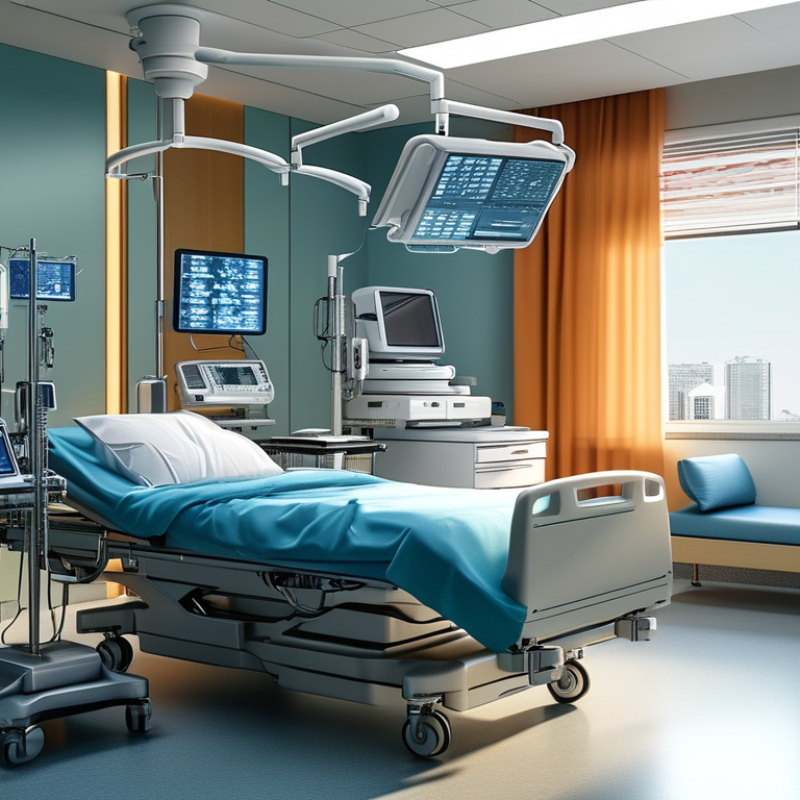
Smart hospitals are transforming healthcare through advanced medical devices. These facilities utilize technology to enhance patient care, streamline operations, and improve outcomes. Key features of smart hospitals include wearable devices, telehealth platforms, and real-time monitoring systems. Each contributes to a more connected and responsive healthcare environment.
Choosing the right technology is crucial. Healthcare staff must understand these tools to utilize them effectively. It is not enough to have devices; training is necessary. Errors due to miscommunication can occur. Regular staff training sessions can help mitigate these risks.
Another vital aspect is data security. Smart hospitals gather vast amounts of patient information. Protecting this data is essential. Implementing robust cybersecurity measures is a must. Having a dedicated team to address vulnerabilities can enhance patient trust and safety. Regular audits of security protocols can uncover potential weaknesses.
Patient engagement also plays a critical role. Hospitals should use technology to empower patients. Providing access to their health data can encourage proactive care. Engaging patients leads to better adherence to treatment plans. Yet, some patients may feel overwhelmed. It's important to balance technology use with personal care.
Medical devices play a pivotal role in enhancing patient care within smart hospitals. According to a report by Deloitte, the global market for connected medical devices is expected to reach $150 billion by 2025. This growth reflects the increasing use of technology to improve patient outcomes. Devices such as wearable health monitors and remote diagnostic tools empower patients to take charge of their health. These innovations allow healthcare providers to access real-time data, which can lead to more personalized treatment plans.
However, the integration of medical devices is not without challenges. A study published in the Journal of Medical Internet Research highlights that 30% of healthcare professionals find it difficult to interpret data from these devices. This can lead to miscommunication and potential gaps in patient care. Moreover, cybersecurity concerns are on the rise. Medical devices can be vulnerable to hacking, which could jeopardize patient safety.
Despite these challenges, the benefits of leveraging medical devices in smart hospitals remain significant. Enhanced connectivity can streamline workflows, reduce hospital stays, and improve patient satisfaction. The key lies in proper training for healthcare professionals and robust cybersecurity measures to protect patient data. Balancing innovation with safety is essential for the future of healthcare.
The integration of IoT and AI in medical devices is transforming healthcare. Smart hospitals utilize these technologies to enhance patient care. Connected devices collect real-time data, allowing healthcare professionals to make informed decisions quickly. For instance, wearable health monitors can track vital signs continuously, alerting staff to any anomalies instantly. This ensures prompt interventions, improving patient outcomes.
AI algorithms analyze the vast amount of data generated by these devices. They identify patterns in patient health, leading to personalized treatment plans. However, there's a challenge. The reliance on technology can lead to overlooking the human element in care. Effective communication between staff and patients must not be lost. Striking a balance between technology and empathetic care is crucial for success.
Furthermore, data security is a significant concern. Hospitals must ensure patient privacy while using interconnected devices. This adds complexity and requires constant evaluation and improvement. Emphasizing strong cybersecurity measures is essential. Continuous training for staff also plays a vital role. They must remain vigilant in this rapidly evolving digital landscape.
Smart hospitals are increasingly employing medical devices to enhance patient care. A recent report indicates that hospitals with smart technology can improve patient outcomes by 30%. These innovations are not without their challenges. Integration issues and staff training can hinder smooth implementation, requiring ongoing assessment and adjustment.
One notable case is a healthcare facility that introduced remote patient monitoring devices. This system allowed continuous tracking of vital signs. Data showed a reduction in hospital readmission rates by 25%. However, technical glitches occasionally led to delayed alerts, raising concerns about reliability. Continuous analysis and software updates are necessary to maintain effectiveness.
In another example, a smart hospital utilized IoT-enabled devices for medication management. This system decreased medication errors by 40% within the first year. Yet, some healthcare professionals reported a learning curve, impacting initial productivity. Evaluating these experiences is crucial for future advancements in smart healthcare technologies.
| Hospital Type | Device Type | Implementation Year | Outcome |
|---|---|---|---|
| Urban Teaching Hospital | Wearable Health Monitors | 2021 | Improved patient engagement and reduced readmission rates |
| Suburban General Hospital | Telemedicine Platforms | 2020 | Enhanced access to care, especially for rural patients |
| Community Health Center | Remote Patient Monitoring Devices | 2019 | Better chronic disease management and early detection of issues |
| Specialized Rehabilitation Hospital | Robotic Assistance Devices | 2022 | Increased patient mobility and faster recovery times |
| Academic Medical Center | Smart Diagnostics Tools | 2023 | Improved accuracy of diagnoses and personalized treatment plans |
Smart hospitals are increasingly utilizing advanced medical devices to enhance patient care. Innovations like remote monitoring systems and robotic-assisted surgeries are reshaping healthcare delivery. These devices provide real-time data about patient health. For example, wearable health trackers can alert doctors to changes in a patient’s condition. This level of monitoring allows for timely interventions, which can be crucial in emergency situations.
The future of smart hospitals looks promising. Emerging technologies like artificial intelligence (AI) will play a significant role. AI can analyze vast amounts of health data quickly and accurately. This enhances decision-making for healthcare professionals. However, challenges exist. Integration of new devices into existing systems can face resistance. Training staff to use advanced technologies may also require time and resources. Moreover, data privacy concerns need careful attention.
As medical devices evolve, so do the expectations of patients. People are becoming more aware of their health and want more control over their care. This shift pushes hospitals to innovate continuously. Offering more personalized treatments is now a priority. Balancing innovation with patient safety remains a critical focus for healthcare providers.
: IoT allows connected devices to collect real-time data, enabling quick and informed decisions by healthcare professionals.
AI algorithms identify patterns in data, helping healthcare providers create personalized treatment plans for patients.
Integration issues and the need for ongoing staff training can hinder effective implementation of these technologies.
Remote monitoring has reduced hospital readmission rates by 25%, but technical glitches can cause delayed alerts.
Patient privacy is crucial, and hospitals must prioritize strong cybersecurity measures to protect sensitive information.
Balancing technology with empathetic care is essential. Effective communication must not be overlooked in patient interactions.
Patients increasingly seek control over their health, pushing hospitals to innovate and offer personalized treatments.
IoT-enabled medication management systems reduced errors by 40%, though some staff experienced a learning curve initially.
Staff must adapt to rapid technological changes and remain vigilant, ensuring effective use of advanced medical devices.
Hospitals need to innovate while prioritizing patient safety and the quality of care provided by healthcare professionals.
Smart hospitals are revolutionizing healthcare delivery by incorporating advanced medical devices that significantly enhance patient care. These facilities are characterized by their integration of cutting-edge technologies, enabling real-time monitoring and data-driven decision-making. How Smart Hospitals Use Medical Devices is pivotal to their effectiveness, as these devices facilitate early diagnosis, personalized treatment plans, and improved patient outcomes.
The integration of Internet of Things (IoT) and artificial intelligence (AI) within medical devices further elevates their capabilities, allowing for seamless communication and automated analytics. Case studies illustrate successful implementations where smart devices have transformed operational efficiency and patient satisfaction. Looking forward, the future trends in medical devices and smart hospital innovations promise to further improve healthcare practices, making them more efficient and responsive to patient needs.

MDV Medical