In recent years, the healthcare landscape has seen significant advancements. Technology is revolutionizing how medical treatments are delivered and experienced. Dr. Angela Hayes, a leading expert in digital health, emphasizes, "Innovation in technology is a game-changer for patient care." This statement reflects the enormous potential of technology in healthcare.
Telemedicine, robotic surgeries, and AI-driven diagnostics have transformed traditional practices. Patients now enjoy more accessible and efficient treatment options. Yet, this rapid evolution also raises questions about data privacy and system reliability. Balancing innovation with ethical considerations is vital.
As we explore "How Technology Is Advancing Medical Treatment," it is crucial to recognize both the benefits and challenges. While technology can enhance precision in treatments, we must remain vigilant about its potential pitfalls. The goal is to ensure technology serves patients effectively and responsibly.
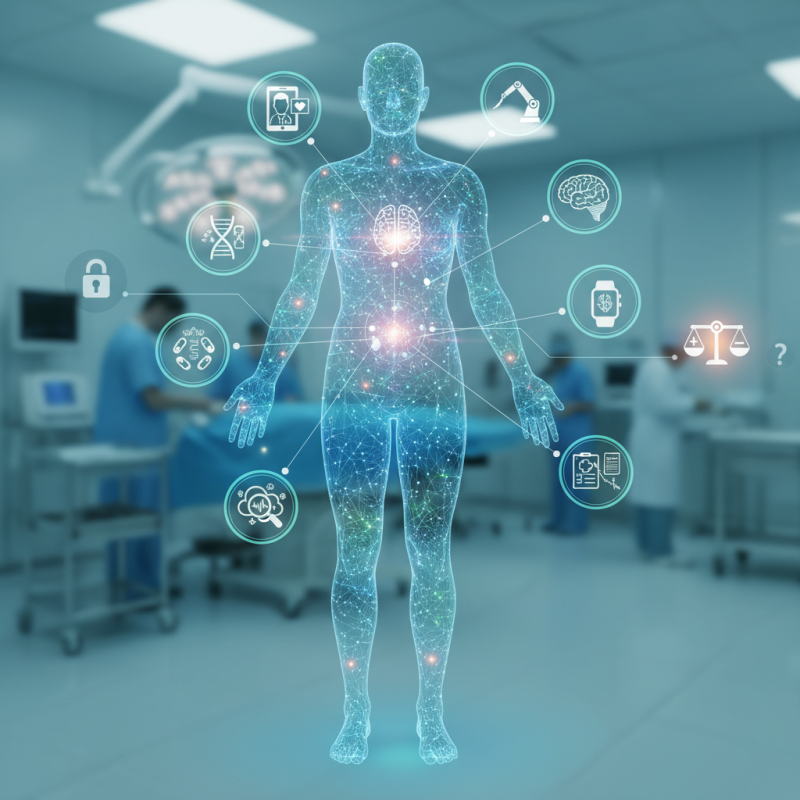
Innovative Wearable Devices Enhancing Patient Monitoring and Care
Innovative wearable devices are reshaping patient monitoring and care in monumental ways. According to a report by Global Market Insights, the wearable medical device market is expected to exceed $27 billion by 2026. These devices allow for continuous health tracking, providing real-time data on vital signs. Patients can monitor their heart rate, blood pressure, and even glucose levels with unprecedented ease. This constant flow of information can be crucial for managing chronic conditions.
While wearable devices enhance patient care, there are challenges to address. Data accuracy varies significantly between devices, which can lead to misinterpretation. A study from the Journal of Medical Internet Research highlights that nearly 30% of users reported inconsistent readings. This calls into question the reliability of such devices. Additionally, battery life and comfort can impact user adherence. Not all patients find these devices easy to wear or convenient.
Despite these issues, the potential benefits largely outweigh the drawbacks. Wearable devices not only promote proactive health management but also encourage better communication between patients and healthcare providers. They create a more personalized healthcare experience. With ongoing advancements in technology, future improvements could enhance both the functionality and accuracy of these devices. As the industry evolves, continuous evaluation will be necessary to fully understand the implications of wearable tech on patient outcomes.
Telemedicine: Redefining Accessibility and Convenience in Healthcare
Telemedicine is changing the way we view healthcare. Patients can now access medical advice from home. This convenience helps those with mobility issues or busy schedules. However, not all patients have reliable internet. This digital divide can exclude vulnerable populations.
Virtual consultations allow for quicker diagnoses. Doctors can review symptoms and create treatment plans without waiting for an in-person visit. Yet, some conditions still require physical examinations. The challenge lies in balancing technology with personal interaction. A screen cannot fully replace the nuances of face-to-face care.
Telemedicine also raises questions about privacy. Will patient data be secure in a digital format? Patients must trust the systems in place. While telemedicine improves accessibility, we must also address its limitations. Ensuring equitable access is crucial for the future of healthcare.
AI-Powered Diagnostics: Improving Accuracy and Speed of Results
AI-powered diagnostics have transformed medical treatments by significantly enhancing accuracy and speed. These technologies analyze medical data with impressive precision. A report by Frost & Sullivan highlights that AI could improve diagnosis accuracy by up to 30%. This leap can be pivotal in identifying conditions early and efficiently.
The integration of AI systems in diagnostic processes allows for real-time analysis of patient data. Algorithms can assess vast amounts of data far quicker than human practitioners. For instance, imaging analyses that used to take hours can now be completed in minutes. However, challenges remain. AI systems may also misinterpret complex cases that require human judgement. These instances underscore the necessity for continuous training and updates in AI models.
Moreover, while current AI diagnostics exhibit remarkable capabilities, they also face skepticism regarding reliability. A Gartner study indicates that only 50% of healthcare professionals trust AI conclusions fully. This distrust highlights the need for transparent AI mechanisms and rigorous clinical validations to ensure safety and accuracy. As technology continues to evolve, maintaining a balance between innovation and verification will be key for responsible integration into healthcare.
Robotics in Surgery: Increasing Precision and Reducing Recovery Times
Robotics in surgery is revolutionizing how medical treatments are performed.
Surgeons now have access to advanced robotic systems that enhance precision during operations.
According to a study published in the Journal of Robotic Surgery, surgical robots can increase accuracy by up to 30%. This accuracy can lead to fewer complications and better patient outcomes.
One significant advantage of robotic surgery is reduced recovery times. Traditional surgeries often require lengthy hospital stays and rehabilitation. However, procedures performed with robots generally allow patients to go home the same day.
A recent report highlighted that robotic-assisted surgeries can reduce average recovery time by 50%. Patients can return to their daily activities much sooner, which enhances their overall quality of life.
When considering robotic surgery, it’s essential to consult with qualified specialists. Look for surgeons with extensive experience in robotic techniques. Seek out hospitals known for their robotics programs. Ensure your provider has access to the latest technologies. Remember that not all procedures are suitable for robotic assistance. Discuss all available options with your healthcare team to make an informed decision.
Personalized Medicine: Tailoring Treatments through Genetic Insights
Personalized medicine is revolutionizing healthcare by tailoring treatments based on individual genetic profiles. According to the National Institutes of Health, about 90% of the variability in drug effectiveness can be traced to genetic factors. This insight paves the way for more effective therapies with fewer side effects. Genetic testing is becoming increasingly accessible, allowing physicians to better understand how to treat conditions like cancer, diabetes, and cardiovascular diseases based on unique genetic markers.
One major benefit is the ability to predict patient responses to medications. A study published in the Journal of the American Medical Association found that patients with certain genetic traits experienced significant differences in treatment outcomes. However, not all patients have access to this testing, and disparities in healthcare exist.
Tip: Consider discussing genetic testing with your healthcare provider. It can provide valuable information about potential treatment options.
Additionally, ethical concerns arise. The use of genetic information raises questions about privacy and discrimination. Patients must be informed about how their data is used. These challenges highlight the need for clear regulations and ethical guidelines.
Tip: Always ask about data security when undergoing genetic testing. Understanding your rights is crucial before sharing personal information.
10 Ways Technology Is Transforming Medical Treatments - Personalized Medicine: Tailoring Treatments through Genetic Insights
| Dimension |
Description |
Benefit |
Example of Application |
| Genetic Testing |
Analyzing an individual’s DNA to identify genetic predispositions. |
Allows for early detection and preventive measures. |
BRCA mutation tests for breast cancer risk. |
| Targeted Therapies |
Drugs designed to specifically target cancer cells with certain genetic markers. |
Increases treatment efficacy and reduces side effects. |
HER2-positive breast cancer treatments. |
| Biomarker Discovery |
Identifying biological markers that indicate disease presence or progression. |
Facilitates personalized treatment plans based on individual biomarker profiles. |
PSA testing for prostate cancer. |
| Pharmacogenomics |
Studying how genes affect a person's response to drugs. |
Optimizes drug selection and dosing for individuals. |
Adjusting antidepressant prescriptions based on genetic testing. |
| Wearable Technology |
Devices that monitor health metrics and provide real-time data. |
Encourages proactive health management and monitoring. |
Smartwatches tracking heart rates and activity levels. |
| Telemedicine |
Remote consultation between patients and healthcare providers. |
Improves access to care, especially in remote areas. |
Video consultations for chronic disease management. |
| Artificial Intelligence |
Using algorithms to analyze medical data for better diagnosis. |
Enhances diagnostic accuracy and speeds up the decision-making process. |
AI-assisted imaging analysis in radiology. |
| 3D Printing |
Creating customized prosthetics and implants using 3D printing technology. |
Better fit and comfort for patients.< /td>
| 3D-printed dental implants. |
| Blockchain in Healthcare |
Securely sharing patient records and data among providers. |
Enhances data security and transparency. |
Decentralized patient record systems. |
Conclusion
The article "10 Ways Technology Is Transforming Medical Treatments" explores how technology is advancing medical treatment through various innovative approaches. Wearable devices are revolutionizing patient monitoring by providing real-time data, which enhances care and encourages proactive health management. Telemedicine is another significant advancement, as it redefines accessibility and convenience, allowing patients to consult healthcare providers from the comfort of their homes.
AI-powered diagnostics are improving the accuracy and speed of results, which leads to more timely treatments. Additionally, robotics in surgery is increasing precision and reducing recovery times, offering patients better outcomes. Lastly, personalized medicine is creating tailored treatments based on genetic insights, allowing healthcare professionals to enhance the effectiveness of therapies. Collectively, these technologies are reshaping the landscape of healthcare and improving patient experiences.

 MDV Medical