Top 10 Tips to Ensure Medical Device Sterility Today?

Time:2026-05-13 Author:Ethan
0%

In the healthcare industry, ensuring the sterility of medical devices is critical. Infections can arise from improperly sterilized equipment, leading to serious consequences for patients. This article will discuss effective strategies on how to ensure medical device sterility.

It’s essential to recognize that even minor lapses in sterilization protocols can have significant impacts. For instance, a device may appear clean but still carry harmful microbes. Understanding the environment in which devices are cleaned is important. Contamination can occur before, during, or after sterilization.

Devices must undergo rigorous sterilization processes. This includes choosing the right sterilization method, whether it be steam, ethylene oxide, or another, based on the device material. Training staff adequately is vital, as human error can contribute to sterility breaches. Continuous monitoring of sterilization processes ensures compliance and reliability. By implementing these tips, healthcare facilities can substantially reduce risks associated with non-sterile devices.
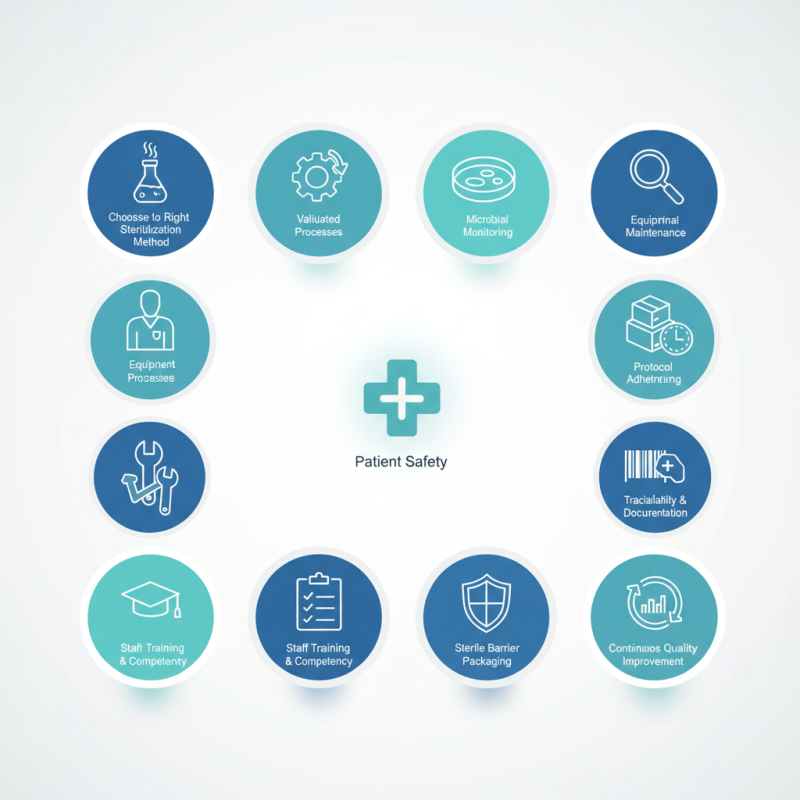
Top 10 Tips to Ensure Medical Device Sterility Today?

Understanding the Importance of Medical Device Sterility

Maintaining medical device sterility is essential for patient safety. Sterile devices reduce the risk of infections and complications during medical procedures. A lapse in sterility can lead to severe consequences. Health professionals must prioritize the cleanliness of all tools and materials used. Each step in the sterilization process is critical. Environmental factors can influence sterility levels, making attention to detail vital.

Adopting best practices in sterilization can be challenging. Overlooking even a minor detail may lead to failures. Proper training for all staff involved in the handling of medical devices is necessary. Regular audits can help identify areas for improvement. Understanding the specific requirements for different devices is crucial. Documentation and tracking help ensure compliance and accountability. Staff should be encouraged to report any discrepancies during preparation or handling.

Regular reviews of sterilization techniques and protocols can enhance effectiveness. Continuous education for all personnel is essential. technologies evolve, and staff must stay informed. Fostering a culture of safety and responsibility can make a substantial difference. Each member of the healthcare team has a role to play in ensuring device sterility. Working together can mitigate risks associated with sterile practices.

Common Methods for Achieving Sterility in Medical Devices

Achieving sterility in medical devices is crucial to patient safety. Several methods are commonly employed to ensure that these devices remain free from harmful microorganisms. One significant technique is steam sterilization, also known as autoclaving. This process uses high-pressure steam to eliminate bacteria, viruses, and spores. It’s effective but may not suit all materials, particularly those sensitive to heat.

Another prevalent method is ethylene oxide (EtO) gas sterilization. This technique allows for the sterilization of heat-sensitive instruments. However, careful handling is necessary since EtO is toxic and requires thorough aeration post-sterilization. Chemical solutions and irradiation are also widely used in the industry. Each method has its advantages and limitations, impacting efficacy and safety.

Practicing strict protocols during the sterilization process is essential. Contamination can occur if procedures are not followed rigorously. Operators must ensure that all equipment is appropriately cleaned before sterilization. Neglecting this can lead to serious health risks. Continuous training and evaluation of methods are critical for improvement and safety. The challenge lies in finding the right balance between effectiveness and practicality in sterilization techniques.

Best Practices for Cleaning and Disinfecting Medical Equipment

Cleaning and disinfecting medical equipment is critical for ensuring patient safety. Proper protocol can significantly reduce the risk of infections. Start by using the right cleaning agent. Many surfaces require specific solutions for effective disinfection. Check compatibility before applying any product. Follow the manufacturer’s instructions closely for best results.

Regular training for staff is essential. Many healthcare workers underestimate the importance of thorough cleaning. A simple misunderstanding can lead to contamination. Maintaining a clean environment starts with proper education. Regularly refresh the knowledge of your team to ensure compliance. Observational audits can help identify areas for improvement.

Visual cues also help enhance cleaning protocols. Use color-coded cloths for different areas. This simple practice can prevent cross-contamination. Devices should be cleaned immediately after use. Delayed cleaning can allow pathogens to thrive. Recognizing that cleaning is an ongoing process can improve overall equipment sterility. Strive for continuous improvement in your practices.

Monitoring and Testing Sterility Effectiveness

Monitoring and testing the effectiveness of sterility for medical devices is crucial. Regular validation is needed to ensure compliance with industry standards. The use of biological indicators, which contain live spores, helps assess sterilization processes. If spores survive a sterilization cycle, it indicates a potential failure. This method ensures thorough monitoring and provides insight into the effectiveness of procedures.

Environmental monitoring is another key aspect. Air quality, surface cleanliness, and personnel practices should all be assessed. Implementing routine sampling ensures that contamination risks are minimized. However, many facilities overlook the importance of continuous monitoring. This can lead to gaps in sterility assurance.

Training staff in proper techniques is essential for maintaining sterility. Yet, human error still occurs. Regular refresher courses can help, but complacency can creep in. High standards are vital, but the challenge lies in consistently meeting them. Device manufacturers must be vigilant, as a single lapse can have significant implications.

Top 10 Tips to Ensure Medical Device Sterility Today? - Monitoring and Testing Sterility Effectiveness

Tip Number Tip Description Frequency of Monitoring
1 Use Appropriate Sterilization Methods Select sterilization methods suitable for device materials. Every batch
2 Personnel Training Ensure staff are trained in sterility protocols. Quarterly
3 Regular Equipment Maintenance Maintain and calibrate sterilization equipment regularly. Monthly
4 Environmental Monitoring Monitor air, surfaces, and equipment for contaminants. Weekly
5 Biological Indicators Use biological indicators to test sterilization efficacy. Every sterilizer cycle
6 Sterility Assurance Level (SAL) Confirm the SAL for devices to ensure adequate sterilization. Annually
7 Packaging Integrity Ensure packaging maintains sterility until use. Before each use
8 Employee Hygiene Establish strict hygiene protocols for personnel. Daily
9 Documentation Maintain accurate records for sterilization processes. Continuous
10 Periodic Audits Conduct audits of sterilization practices and protocols. Biannually

Employee Training and Protocols for Maintaining Sterility

Employee training is crucial for maintaining medical device sterility. Regular workshops can enhance staff knowledge about sterilization techniques. Hands-on training sessions help employees understand the importance of their roles in the process. It is essential that all team members are aware of best practices. Simple reminders, like wearing gloves and masks, should be emphasized.

Protocols must be clearly defined and accessible. Create easy-to-follow checklists for daily tasks. This ensures that nothing is overlooked during the sterilization process. Regular audits can help identify gaps in compliance. Feedback loops are vital for continuous improvement. Employees should feel comfortable sharing concerns about the protocols.

Investing in ongoing education is not just beneficial; it is necessary. New developments in sterilization methods are frequent. Keeping staff updated helps maintain a high standard of sterility. However, there is always room for mistakes. Reflecting on past incidents can lead to better practices. Emphasizing a culture of accountability fosters a strong commitment to sterility.

FAQS

: Why is maintaining medical device sterility important?

: It reduces the risk of infections and complications during medical procedures.

What can happen if there is a lapse in sterility?

Severe consequences, including infections and complications, may occur.

How can staff contribute to device sterility?

Staff should prioritize cleanliness and report any discrepancies during handling.

Why is employee training important in sterilization?

It enhances staff knowledge about techniques and emphasizes their role in maintaining sterility.

What practices help improve cleaning protocols?

Using color-coded cloths and immediate cleaning after use prevents cross-contamination.

How can audits enhance sterilization practices?

They identify areas for improvement and ensure compliance with protocols.

What should staff do if they notice protocol discrepancies?

They should feel comfortable sharing their concerns to improve the sterilization process.

How often should staff training occur?

Regular training refreshes knowledge and keeps staff informed about best practices.

What can visual cues do for cleaning protocols?

They can help enhance cleanliness and prevent cross-contamination in different areas.

What is crucial to maintaining a high standard of sterility?

Ongoing education and reflection on past incidents can lead to better practices.

Conclusion

In the realm of healthcare, ensuring the sterility of medical devices is of utmost importance to prevent infections and promote patient safety. How to ensure medical device sterility involves understanding the significance of maintaining cleanliness, which can be achieved through various methods such as high-level disinfection, steam sterilization, and ethylene oxide treatments.

Additionally, best practices for cleaning and disinfecting medical equipment play a critical role in maintaining sterility. Regular monitoring and testing of sterilization effectiveness are essential to verify that protocols are effectively eliminating microorganisms. Furthermore, comprehensive employee training and strict adherence to established protocols are crucial for sustaining a sterile environment within medical facilities, ensuring that all personnel are well-equipped to maintain the highest standards of hygiene and safety.

Ethan

Ethan

Ethan is a seasoned marketing professional with a deep expertise in our company's innovative product line. With a passion for sharing knowledge and insights, he takes the lead in regularly updating our corporate blog, where he explores industry trends, product features, and effective marketing......