Understanding Medical Device Safety Standards is crucial for protecting patients and ensuring effective treatment. Medical Device Safety Standards Explained lay the foundation for a robust healthcare system. They guide manufacturers in creating safe and reliable devices.
The complexity of these standards often leaves professionals puzzled. They must comprehend the various regulations that differ by country. Many assume compliance guarantees safety. However, it is not always the case. Devices may pass initial tests but could still pose risks later. Continuous monitoring and updates are essential.
Healthcare professionals should actively engage with these standards. Applying their insights can drive improvements. Mistakes happen, and learning from them is vital. Translating technical jargon into plain language benefits all stakeholders. By doing so, we foster a safer healthcare environment for everyone involved.
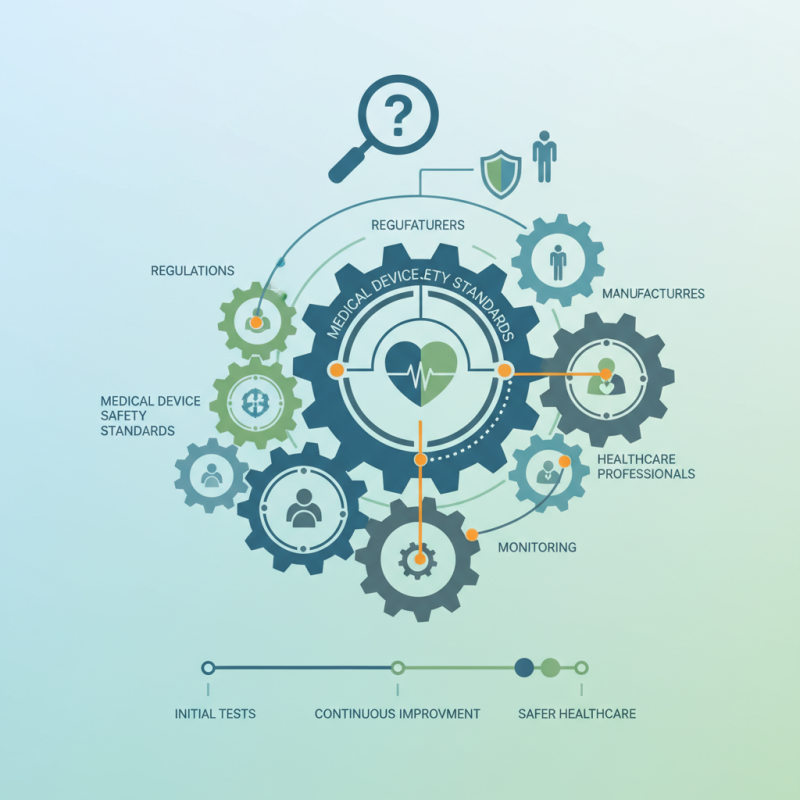
Understanding medical device safety standards is crucial for both manufacturers and consumers. These standards ensure that devices are safe and effective for their intended use. They cover various factors, including design, manufacturing, and performance criteria. Regulatory bodies define these standards to protect patient safety and promote public health.
The landscape of medical device safety standards is complex. Different regions may have different guidelines. Compliance can be challenging. Manufacturers must stay updated on changing regulations. They should engage with experts to navigate this landscape effectively. Testing and validation processes are essential. These ensure that devices meet the necessary safety benchmarks before they reach the market.
Despite the established standards, gaps remain. Some devices may still pressure safety measures. The emergence of new technologies often outpaces regulations. This can create uncertainties. Stakeholders need to reflect on these challenges and find collaborative solutions. Continuous improvement and vigilance are necessary for advancing medical device safety standards.
| Standard Name | Description | Regulatory Body | Year Established |
|---|---|---|---|
| ISO 13485 | Quality Management Systems for Medical Devices | International Organization for Standardization (ISO) | 1996 |
| IEC 60601 | Safety and Essential Performance of Medical Electrical Equipment | International Electrotechnical Commission (IEC) | 1977 |
| FDA 21 CFR Part 820 | Quality System Regulation for Medical Devices | U.S. Food and Drug Administration (FDA) | 1996 |
| MDD 93/42/EEC | Medical Device Directive in the European Union | European Commission | 1993 |
| ISO 14971 | Application of Risk Management to Medical Devices | International Organization for Standardization (ISO) | 2000 |
Understanding medical device safety standards is crucial for patients and manufacturers alike. Several key organizations play significant roles in regulating device safety. The Food and Drug Administration (FDA) in the United States sets rigorous guidelines. Their work ensures that devices are tested thoroughly before reaching the market. They evaluate safety and effectiveness based on clinical data.
Another important organization is the International Organization for Standardization (ISO). They create international standards for various medical devices. These guidelines help unify safety measures worldwide. Compliance with ISO standards often improves device quality. However, challenges exist in aligning these standards with local legislation.
Notably, the European Medicines Agency (EMA) focuses on devices within the European Union. Their regulations often reflect the latest scientific research. It's essential for manufacturers to stay informed. Failure to adapt can result in costly recalls. The regulatory landscape is complex and requires constant vigilance. Each organization contributes to a safer medical device ecosystem. Their collaborative efforts are imperative, yet confusion can arise. Companies must be proactive and informed to navigate this landscape effectively.
Understanding the risk classification of medical devices is essential for ensuring their safety and effectiveness. Medical devices are categorized based on the level of risk they pose to patients and users. For example, low-risk devices require less regulatory oversight, while high-risk devices undergo rigorous testing. This classification helps regulators determine safety standards that must be met before introducing a device to the market.
The classification also involves evaluating factors like intended use and patient population. Each device must be carefully assessed to ensure it meets safety requirements. Complex devices may involve more risks and require additional user training. It is crucial for manufacturers to understand these classifications thoroughly. This understanding can prevent potential safety issues. However, there may be gaps in knowledge that can lead to mistakes in device design or compliance.
Inadequate risk assessment can have serious consequences. Even low-risk devices can cause harm if not properly evaluated. Continuous education and awareness of the latest standards are vital for stakeholders. Thus, while the framework exists, the responsibility lies with manufacturers and regulators to prioritize patient safety. The evolving nature of technology may further complicate this landscape, prompting ongoing reflection and adaptation.
Medical device safety standards are crucial for protecting patient health. Essential testing and compliance procedures ensure devices meet safety thresholds. The FDA mandates that companies demonstrate safety and efficacy through rigorous testing. Over 70% of medical device recalls occur due to design flaws or manufacturing issues. Regular assessments can greatly reduce these risks.
Testing encompasses various methods, including biocompatibility evaluations and software validation. Biocompatibility tests typically last up to 90 days, assessing material interactions with bodily tissues. Additionally, software validation is essential. Without it, devices could malfunction, leading to serious consequences. A report found that 50% of software-related device failures stem from inadequate testing.
Compliance is an ongoing process. Documenting every phase of development is critical. Surprisingly, around 30% of companies face challenges due to insufficient documentation. Methods may need refinement. There is often a gap between understanding requirements and implementing them effectively. Continuous training and updates are necessary for teams to remain compliant with evolving standards.
As we look toward the future of medical device safety standards, the landscape is evolving rapidly. By 2026, experts predict that regulatory frameworks will become increasingly stringent. A recent report from the International Organization for Standardization states that over 70% of manufacturers feel unprepared for upcoming changes. This statistic underscores the urgent need for enhanced understanding and adaptability within the industry.
In the coming years, digital health solutions will challenge existing standards. A 2022 industry survey revealed that nearly 65% of healthcare providers expect to see a rise in software-driven medical devices. However, these new innovations come with unique safety risks that must be addressed. The lack of standardized testing for software integrity may leave critical gaps. Industry experts advocate for the establishment of robust protocols to ensure comprehensive evaluation.
Moreover, cybersecurity will play a pivotal role in device safety. The 2023 Cybersecurity in Healthcare report highlighted that 30% of medical device cybersecurity breaches originated from outdated equipment. Striking a balance between innovation and security remains a pressing issue. Many manufacturers must reflect on their current practices to align with the anticipated rise of sophisticated threats in an increasingly digital healthcare environment.
: They ensure devices are safe and effective for patients. Standards cover design, manufacturing, and performance.
Different regions have varying guidelines. Staying updated on changing regulations can be difficult.
Engaging with experts is essential. They provide guidance to meet safety benchmarks.
Yes, some devices may pressure safety measures. New technologies often outpace existing regulations.
They will likely become stricter. Many manufacturers feel unprepared for these changes.
Software-driven devices introduce new safety risks. Standardized testing for software integrity is necessary.
Outdated equipment can lead to breaches. Manufacturers need to address potential vulnerabilities.
Stakeholders need to reflect on challenges. Collaborative solutions are crucial for advancements.
Yes, about 65% expect a rise. This trend requires careful attention to safety protocols.
Reflecting on existing methods is vital. Aligning with rising digital threats ensures better device safety.
Medical Device Safety Standards Explained revolve around the crucial frameworks that ensure the safety and effectiveness of medical devices used in healthcare. These standards are established by key organizations that regulate device safety, providing a comprehensive overview of requirements that manufacturers must adhere to. Understanding the risk classification of medical devices is vital, as it influences the level of scrutiny each device must undergo during development and approval processes.
Essential testing and compliance procedures are integral for confirming that devices meet safety norms, encompassing both pre-market evaluations and post-market surveillance. As the landscape of medical technology evolves, so do the trends in safety standards, emphasizing a shift towards more robust and adaptive regulatory frameworks. This summary underscores the importance of a structured approach to medical device safety, essential for protecting patient health and enhancing device performance.

MDV Medical