The selected products below reflect the wider manufacturing portfolio of Qingdao MDV Medical Appliances Co., Ltd. For pain management equipment buyers, the portfolio can support procedure rooms, rehabilitation departments, diagnostic workflows, surgical care, and home monitoring programs. Each product link is preserved for direct RFQ follow-up.
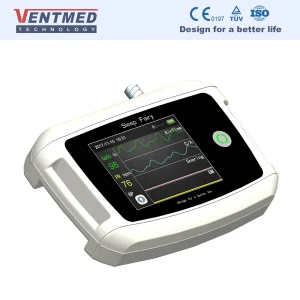 Durable Sleep Tracking Device for Hypopnea and Sahs Patients
View Product →
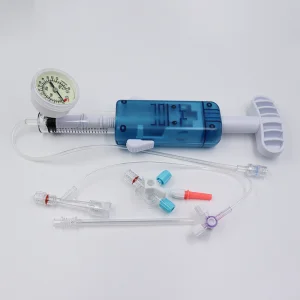 Medical Supply Cardiology 20ml 30bar Balloon Inflation Device with Y Connector
View Product →
 Customized 9 Wavelength Skin Beauty LED Blue Red Light Therapy Panel for Clinic Gym Home, Whole Body Infrared Lamp Healthcare Device PDT Machine Factory
View Product →
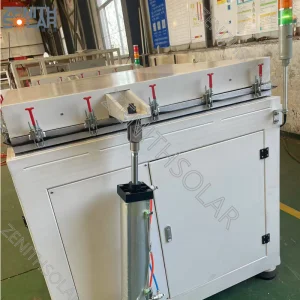 Semi-Automatic Oil Laminating Device for Lab Solar Modules
View Product →
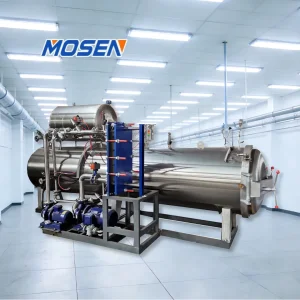 Eco-Friendly Sterilizer Food Safety High-Pressure Sterilizer Automatic Temperature-Controlled Sterilization Equipment
View Product →
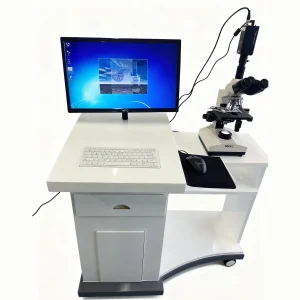 Vaginal Discharge Analyzer Clinical Laboratory Diagnostic Medical Equipment for Gynecology Examination Digital Microscopy System Leukocyte Trichomonas Candida
View Product →
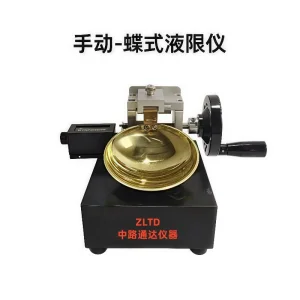 Laboratory Grade Soil Plastic Limit Analysis Manual Liquid Limit Device
View Product →
 Modern Concise Style Hospital Healthcare Furniture Factory Design Medical Grade Furniture
View Product →
The market is moving beyond catalogue buying. Distributors and hospital procurement teams now evaluate clinical fit, regulatory readiness, supply continuity, documentation quality, and lifecycle support as one integrated decision.
Pain management is not a single-device category. It spans assessment, intervention, recovery, and home monitoring. A qualified OEM/ODM partner should help map products across these stages. MDV Medical's broader portfolio includes sleep tracking, ambulatory blood pressure monitoring, microwave therapeutic ablation, negative pressure drainage, endoscopy, cervical traction, and related supplies — useful for distributors building a coherent clinical offer.
ISO 13485 is the baseline, but global buyers need more: product-specific certificates, technical files, labels, instructions for use, packaging, sterilization records, traceability, and change control. Because some products hold CE certification while others do not, verification should be completed before tender submission or distributor registration.
China's medical device ecosystem offers deep component availability, mature cleanroom manufacturing, and scalable export packaging. MDV Medical operates from 6,600 sqm with a 1,500 sqm cleanroom and a 200 sqm quality inspection zone, supported by a 50-person team across production, QC, and support. This structure supports buyers balancing MOQ, lead time, and customization.
This guide answers questions often missing from supplier catalogues: how regulatory responsibility is divided, how private labels are controlled, how spare parts are managed, and how a product moves from sample validation to repeat order. Use the modules as a vendor qualification checklist rather than a simple price list.
For high-trust medical procurement, supplier claims should be backed by verifiable facility, quality, and product data. The original company information is retained below and contextually expanded for OEM/ODM decision-making.
Qingdao MDV Medical Appliances Co., Ltd. is a modern enterprise focusing on the R&D, manufacturing and sales of anesthetic medical products, traditional Chinese medicine acupuncture, interventional products, injection puncture and nursing medical equipment. The company has passed the ISO 13485 Medical Device Quality System Certification.
Always taking the tenet of creating high-quality medical equipment, caring for life and health, and providing customers with first-class products and service, our company have been constantly upgrading our existing products and developing new products. We have many patented products to meet the requirements of product serialization and specialization.
Qingdao MDV Medical Appliances Co., Ltd. has a 50-person team divided into production, quality control, and support units. This structure ensures efficient, high-quality manufacturing and compliance with global medical standards.
The company spans 6,600 sqm, with 4,700 sqm of construction area. The production area is 2,300 sqm, including a 1,500 sqm cleanroom and a 200 sqm quality inspection zone. It also features well-designed raw material, finished product, and sample storage facilities.
Our products are ISO 13485 certified, ensuring compliance with international medical device standards. Some also hold CE certification, meeting European regulatory requirements. These certifications reflect our rigorous processes and position us as a trusted partner, delivering safe and reliable products for global healthcare.
Total company floor space
Construction area
Production area
Cleanroom area
Quality inspection zone
Production, QC, and support team
An effective OEM/ODM pain management equipment manufacturer does more than manufacture to drawings. It translates clinical intent into controlled specifications, verifies performance, and prepares documentation suitable for the target market.
The project starts with intended use, target users, procedure environment, performance requirements, regulatory class, and local market expectations. Clear inputs reduce late-stage changes and help align device configuration, accessories, packaging, and label claims.
Material selection must consider cleaning, disinfection, sterilization, patient contact, durability, and transport conditions. For pain management and rehabilitation devices, ergonomics, cable management, user interface clarity, and accessory compatibility are also important design inputs.
Prototype evaluation should include functional testing, usability review, packaging checks, and preliminary documentation review. Buyers can use samples for internal evaluation, distributor demonstration, or clinical feedback before scaling the order.
Where applicable, process validation, sterilization compatibility, shelf-life review, and packaging validation should be planned early. These activities are especially important for invasive, single-use, or procedure-related products.
Technical files, labeling, IFU text, declarations, test reports, and language versions should reflect the destination market. Controlled document review helps prevent mismatches between the product, packaging, and registration dossier.
Repeat orders depend on stable suppliers, incoming inspection, in-process controls, final release, change notification, and spare parts planning. A disciplined lifecycle process protects brand owners from avoidable field issues and tender delays.
Global buyers rarely purchase from a static catalogue. They need a supplier that can support local registration, language adaptation, packaging control, traceability, and after-sales continuity across the product lifecycle.
Product classification, registration pathway, labeling rules, and clinical evidence expectations vary by country. MDV Medical can support buyers with product-specific information and existing certification status, while local registration responsibility remains with the importer or authorized representative as required by local law.
Procurement teams should request product descriptions, specifications, risk information, test reports, declarations, packaging data, and other documents relevant to the destination market. A clear documentation checklist helps reduce back-and-forth during tender review or distributor qualification.
Private-label programs often require custom labels, language versions, model naming, and brand-specific instructions for use. Controlled artwork review is essential to avoid mismatches among the device label, packaging, registration file, and marketing materials.
For sterile or single-use products, packaging validation and transport conditions should be reviewed before shipment. For capital equipment, shock protection, humidity protection, accessory separation, and consignee labeling can reduce damage and installation delays.
Batch or serial traceability, release records, and change notification processes support recalls, audits, and hospital qualification. Buyers should confirm how design changes, supplier changes, and label revisions are communicated before the next production run.
Equipment uptime depends on spare parts availability, maintenance guidance, accessory compatibility, and responsive technical communication. Distributors should discuss warranty terms, service training, consumable planning, and critical spare parts before launch.
Compliance note: Certification is product- and market-specific. ISO 13485 is a quality management system certification, and some MDV Medical products hold CE certification. Buyers should verify the exact product, certificate scope, classification, and local registration requirements before advertising, importing, or submitting a tender.
China's medical manufacturing strength is not only cost. It is the combination of supplier depth, cleanroom capacity, engineering flexibility, quality systems, and export experience that allows distributors to build reliable product programs.
Access to components, packaging, tooling, sterilization services, and logistics partners can shorten development cycles. For OEM/ODM pain management equipment, this ecosystem helps buyers source accessories, consumables, and associated devices with fewer coordination points.
The facility includes a 1,500 sqm cleanroom within a 2,300 sqm production area. Controlled environment manufacturing is relevant for products requiring cleanliness, contamination control, and consistent assembly conditions.
A dedicated quality inspection zone supports incoming material checks, in-process inspection, final release, and sample retention. This is a practical advantage when buyers require batch records, inspection reports, or pre-shipment verification.
The team is divided into production, quality control, and support units. For buyers, a focused organizational structure can improve communication, shorten corrective-action loops, and keep responsibilities clear during sample development and repeat production.
Many patented products support serialization and specialization. A broader portfolio helps distributors serve multiple departments, reduce supplier fragmentation, and create bundled offers for hospitals, clinics, and home-care channels.
Export-ready packaging, carton marking, accessory separation, and multi-product consolidation can reduce handling risk. For distributors, consolidation across medical equipment, diagnostic devices, and healthcare furniture may lower logistics complexity.
Hospital groups, distributors, tender agents, and private-label brands evaluate suppliers through different lenses. A strong OEM/ODM partner should be able to support each buying model with clear documentation and predictable communication.
Distributors often require branded packaging, model naming, localized manuals, and market-specific accessories. Private-label projects should define artwork ownership, label control, minimum order quantities, and change approval processes before production.
Hospital groups may seek standardized interfaces, accessories, training materials, and service procedures across sites. Suppliers should clarify configuration options, compatibility, warranty terms, and spare parts planning to support multi-site rollout.
Tender submissions often require specifications, certificates, test reports, authorization letters, packaging data, and delivery commitments. A documentation checklist and early regulatory review can prevent avoidable disqualification.
MOQ should be evaluated together with shelf life, customization level, packaging, and material lead time. Sharing rolling forecasts helps suppliers plan components and gives buyers more predictable delivery schedules.
Incoterms, packaging tests, consignee labeling, and customs documentation should be agreed before shipment. For urgent tender deliveries, buyers should confirm production slots, inspection timing, and freight options in advance.
Purchase price is only one factor. Accessories, consumables, spare parts, service response, failure handling, and documentation effort all affect total cost. Procurement teams should compare suppliers on lifecycle value, not unit price alone.
Pain management equipment is becoming more connected, procedure-specific, and patient-centered. These trends affect product design, regulatory documentation, service models, and distributor portfolio strategy.
Devices such as ambulatory blood pressure monitors and sleep tracking systems show how data continuity is moving into home and outpatient care. Future equipment programs may require data export, connectivity documentation, cybersecurity review, and integration planning.
AI is increasingly discussed in image analysis, workflow support, and patient monitoring. Suppliers should separate well-defined software features from marketing claims and provide appropriate validation and cybersecurity documentation where software is included.
Microwave therapeutic ablation, endoscopy, and drainage-related devices reflect the shift toward targeted intervention, shorter recovery pathways, and procedure-room efficiency. These categories require close attention to accessories, sterilization, and clinical training support.
Home care is expanding for chronic pain, posture support, sleep monitoring, and hypertension management. Products intended for home use need clear instructions, robust packaging, simple controls, and support materials suitable for non-specialist users.
Hospitals increasingly prefer consolidated procedure packs and compatible accessories. OEM/ODM suppliers that can coordinate devices, consumables, sterilization pouches, and packaging may reduce SKU complexity for distributors.
Environmental packaging, energy-efficient production, and responsible material choices are becoming tender considerations. For connected devices, cybersecurity and software lifecycle planning should be addressed early in the product definition stage.
Different markets and departments use pain management equipment differently. The same manufacturing platform may require different accessories, language, packaging, training materials, and regulatory documents depending on the final clinical setting.
Pain clinics may evaluate microwave therapeutic ablation systems, drainage devices, endoscopy equipment, and related consumables. Procurement should confirm room layout, accessory compatibility, sterilization workflow, and clinical training expectations.
Cervical traction devices, posture support products, and negative pressure drainage equipment can support orthopedic and rehabilitation workflows. Localization may include language-specific instructions, clinic training, and replacement part planning.
Endoscopy equipment, balloon inflation devices, and surgical accessories require consistent quality and clear traceability. Hospitals often ask for batch records, compatibility information, and responsive technical support.
Ambulatory blood pressure monitors, sleep tracking devices, and home rehabilitation products require user-friendly design and robust packaging. Distributors should plan consumer education, warranty handling, and replacement workflows.
Dental scalers, sterilization pouches, and clinic furniture support office-based care. For private clinics, compact packaging, simple setup, and local-language user instructions can improve adoption and repeat purchasing.
Diagnostic analyzers, imaging parts, laboratory devices, and healthcare furniture may be consolidated with medical equipment orders. A multi-category portfolio can help distributors reduce supplier count while maintaining documentation control.
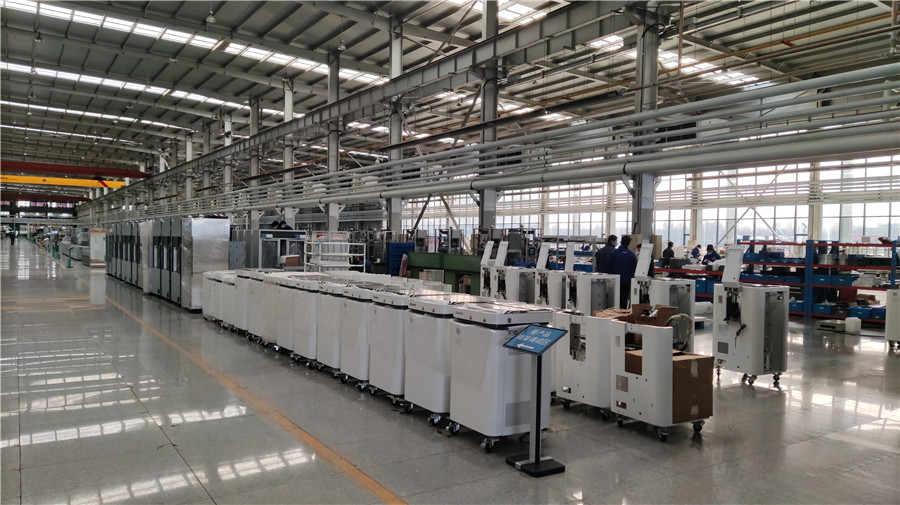
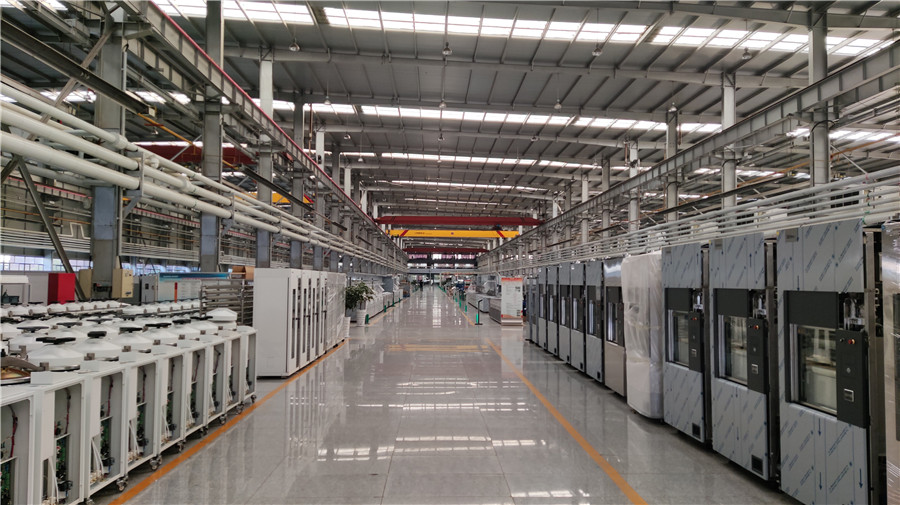
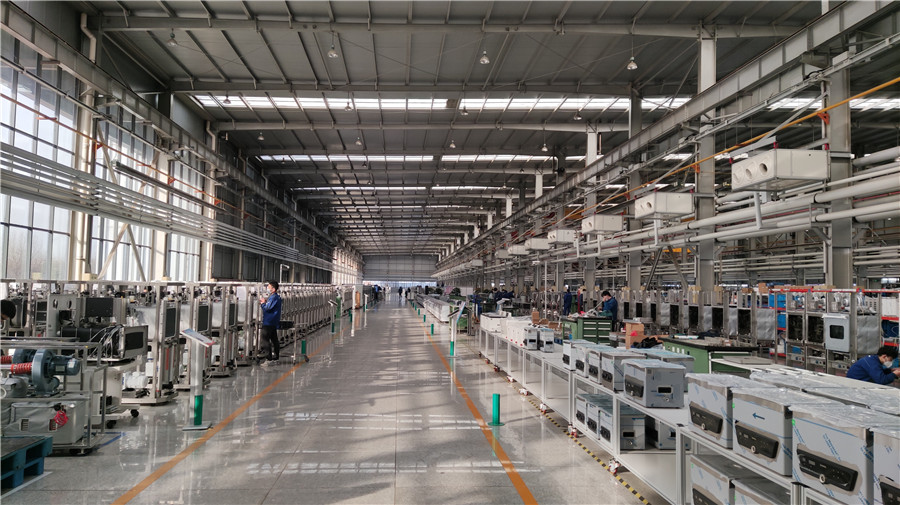
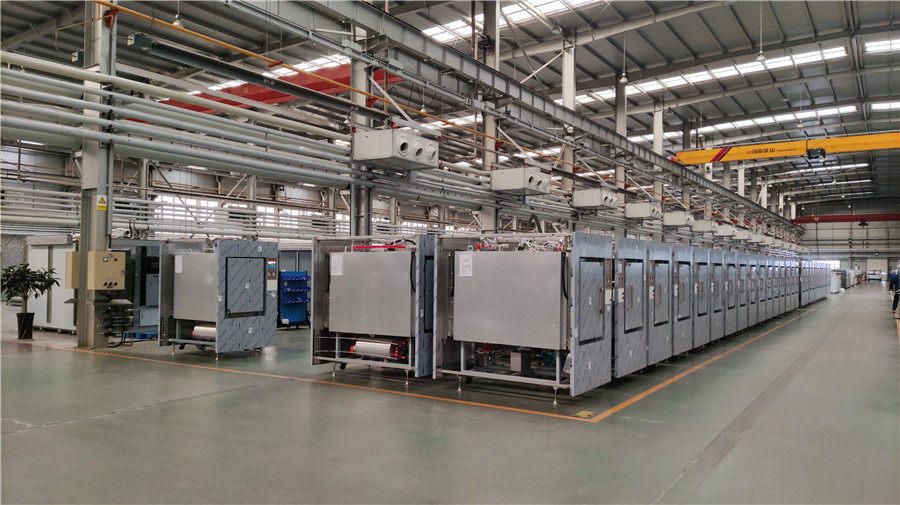
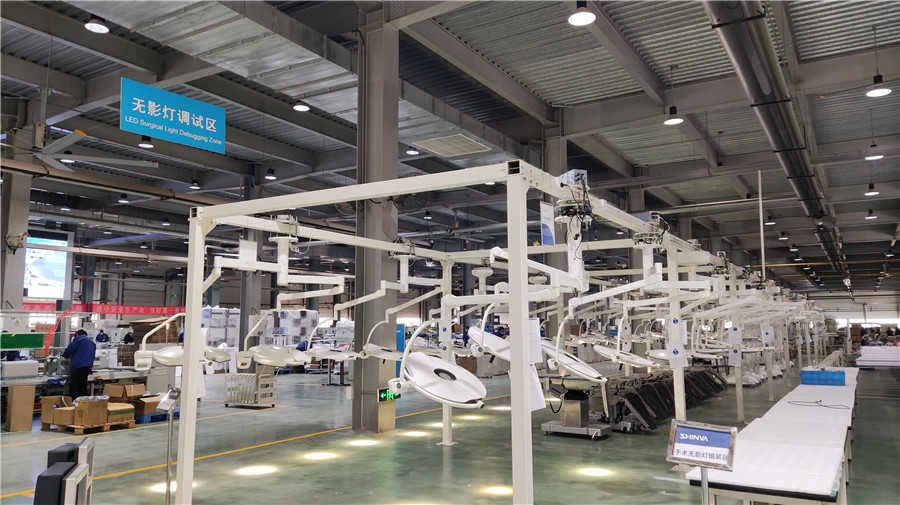
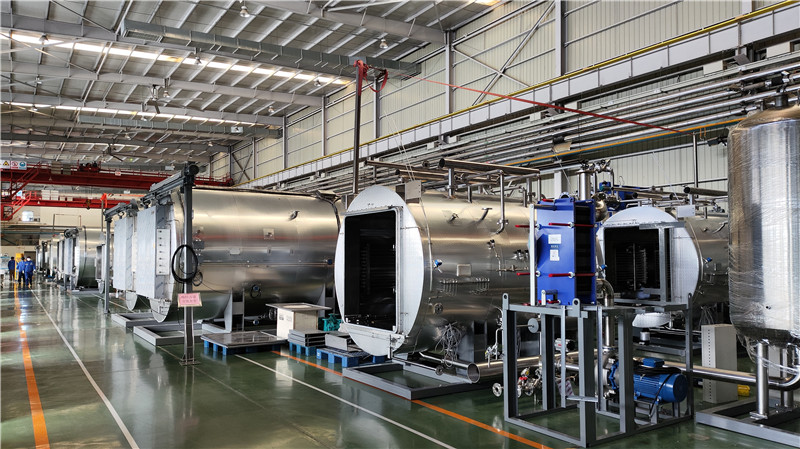
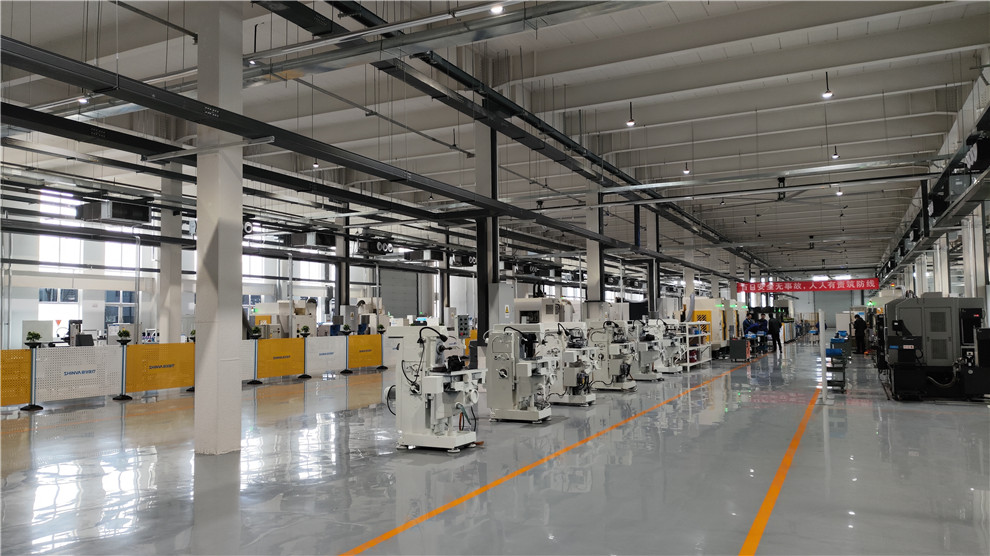
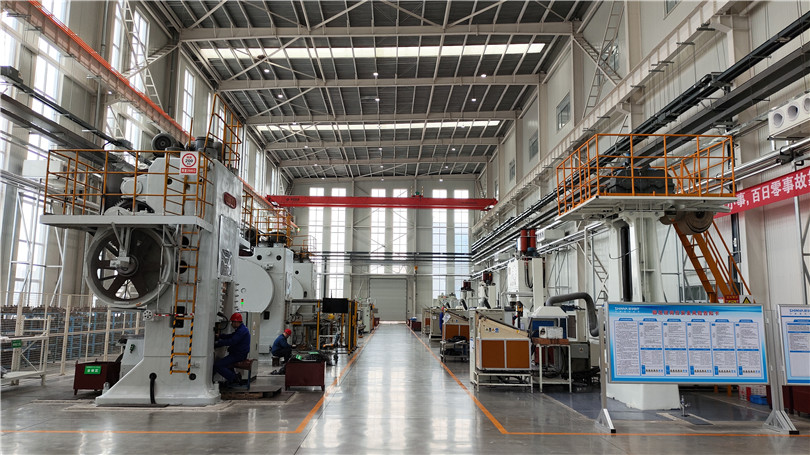
The original company media and application images are retained below to provide visual context for the manufacturing environment, product presentation, and application scenarios.
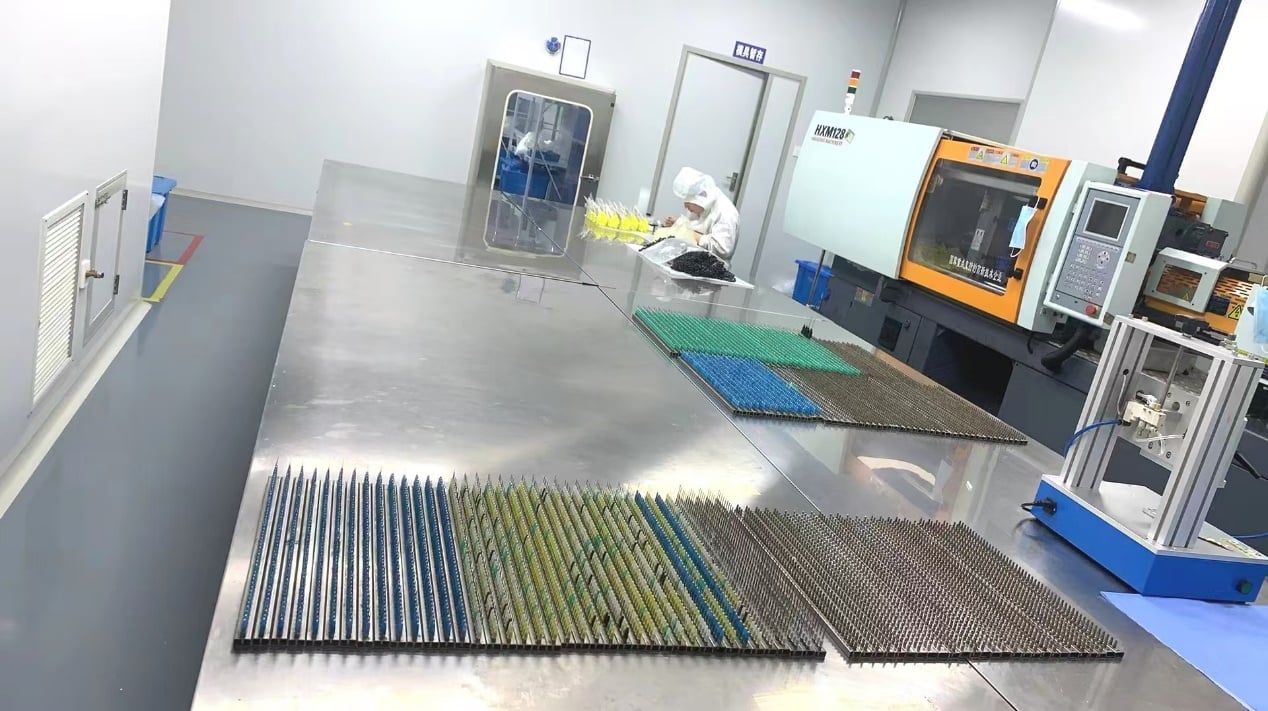 ▶ Factory & Product Media
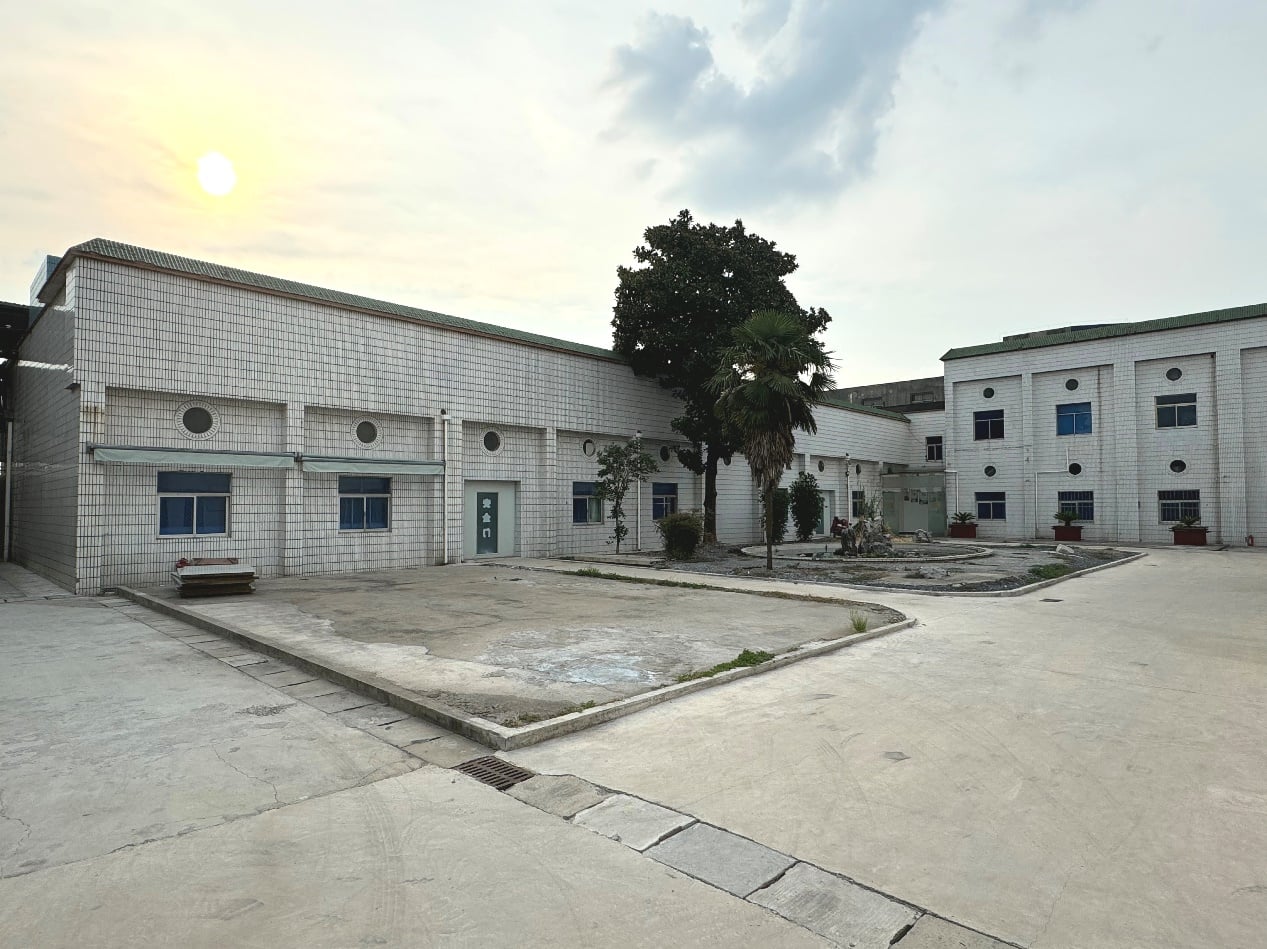
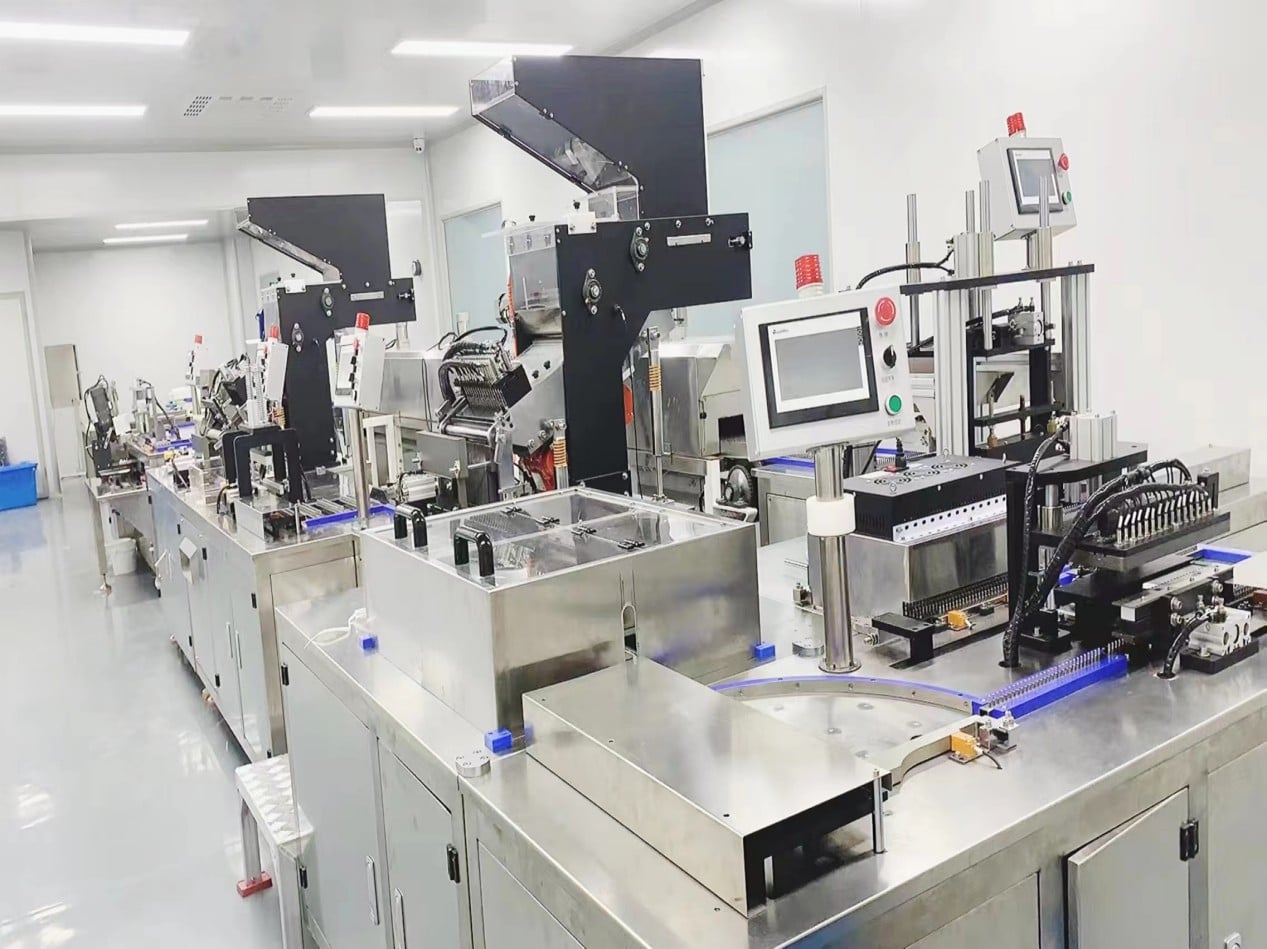
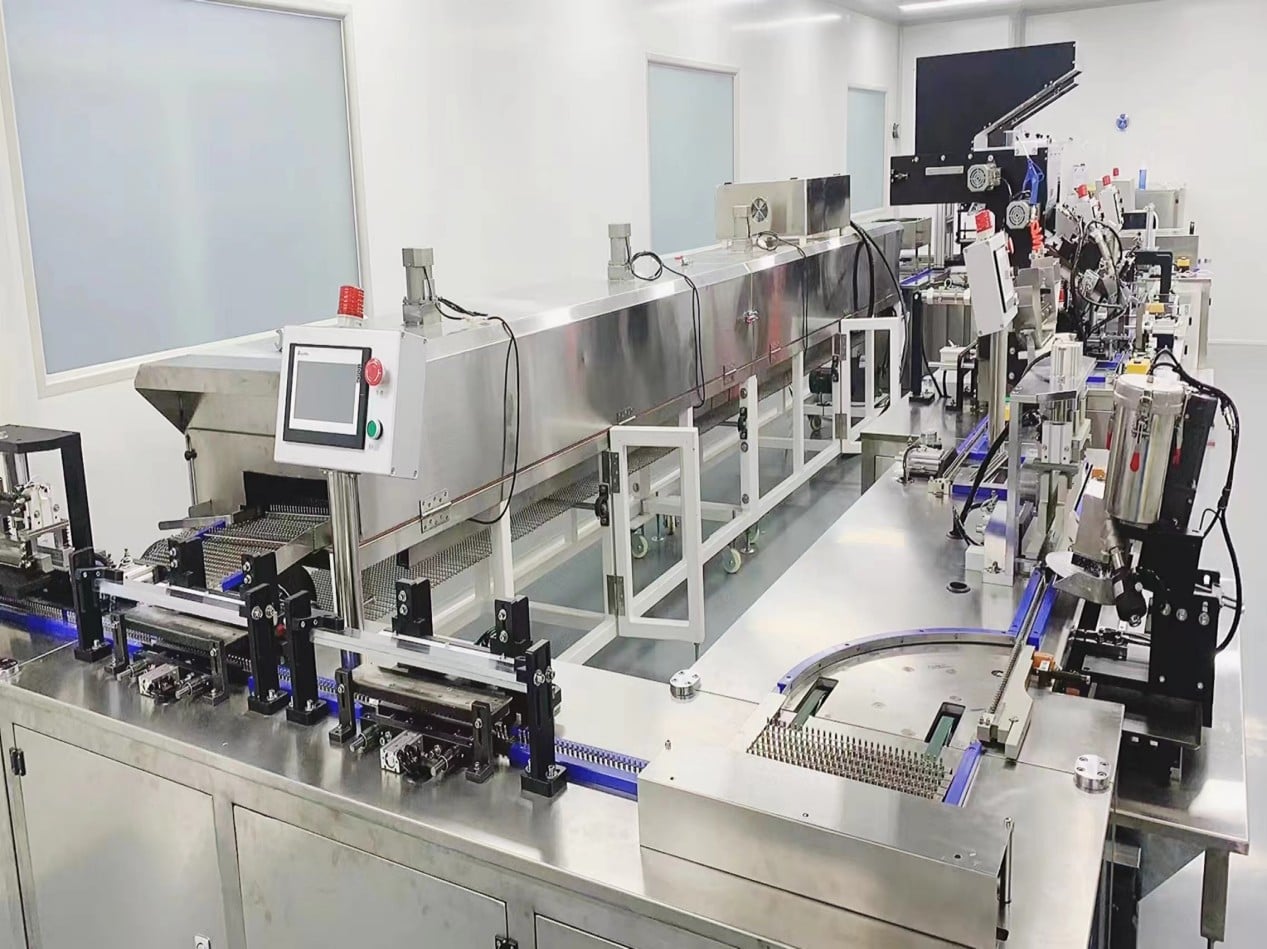
Always taking the tenet of creating high-quality medical equipment, caring for life and health, and providing customers with first-class products and service, our company have been constantly upgrading our existing products and developing new products.
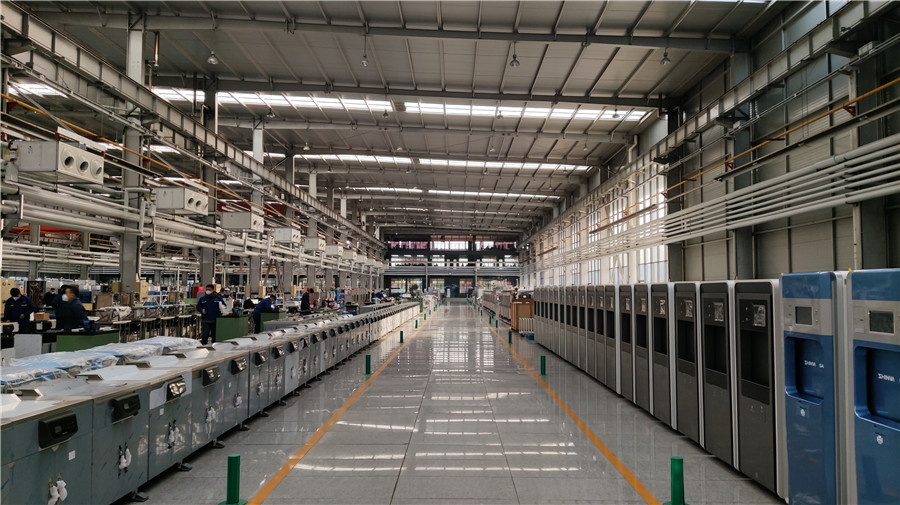
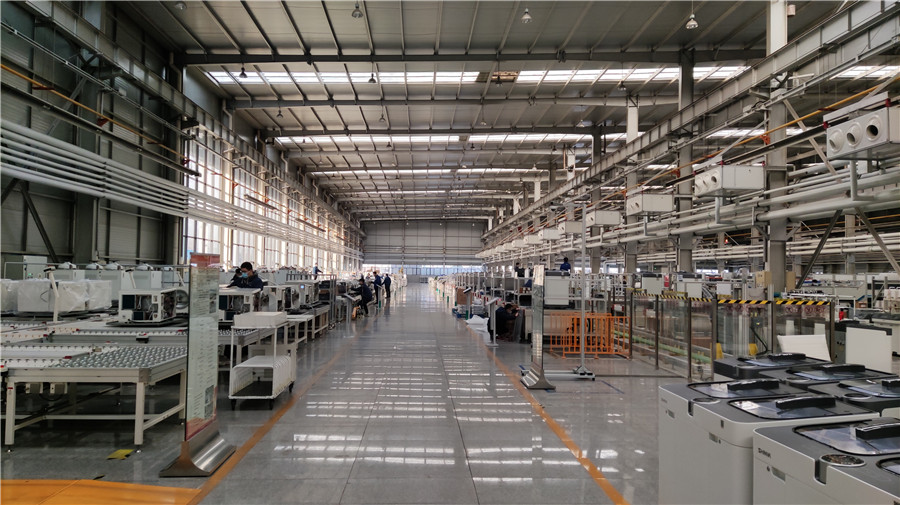
These answers reflect common procurement and supplier qualification questions for pain management equipment, private-label medical devices, and China-based manufacturing programs.
Qingdao MDV Medical Appliances Co., Ltd. is a modern enterprise focusing on R&D, manufacturing, and sales of medical products. The company has passed ISO 13485 Medical Device Quality System Certification and operates with production, quality control, and support functions.
Yes, OEM/ODM support can be discussed based on product type, order volume, target market, customization scope, and regulatory requirements. Typical support may include brand labeling, packaging, language adaptation, accessory configuration, and documentation coordination.
The company is ISO 13485 certified, and some products hold CE certification. Certifications are product-specific and market-specific. Buyers should request the exact certificate scope and verify destination-market requirements before purchase or tender submission.
Support may include product descriptions, specifications, labels, test reports, declarations, and other technical documents relevant to the product. Local registration, import licensing, and authorized representative responsibilities remain subject to the destination market's regulations.
MOQ and lead time depend on the product, configuration, packaging, materials, and order forecast. Buyers should share target quantities, destination, required documentation, and expected delivery schedule so production and compliance requirements can be reviewed together.
Customization can be evaluated for private-label programs, including packaging artwork, label content, language versions, model naming, and accessory configurations. Controlled review is needed to keep labels, IFUs, and registration documents aligned.
The facility includes a 200 sqm quality inspection zone and a 1,500 sqm cleanroom within the production area. Quality control can cover incoming materials, in-process checks, final release, traceability, and pre-shipment inspection depending on the product.
Provide the product URL, required quantity, destination country, regulatory status, packaging or private-label needs, preferred Incoterms, and target delivery date. Clear inputs help the supplier respond with a more accurate configuration and documentation plan.
These additional eight products complete the supplied product set and support broader distributor sourcing across surgical, diagnostic, monitoring, dental, laboratory, and pain management-related categories.
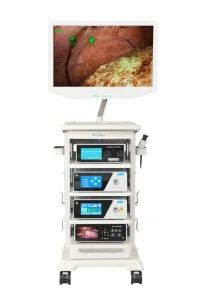 Precision-Made Endoscopy Equipment for Minimally Invasive Laparoscopic Surgery
View Product →
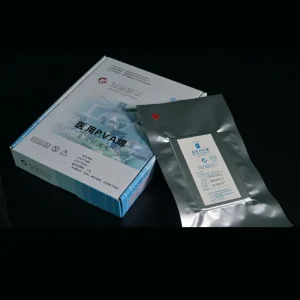 Khf Medical Negative Pressure Drainage Device for Postoperative Effusion After Orthopedic Surgery
View Product →
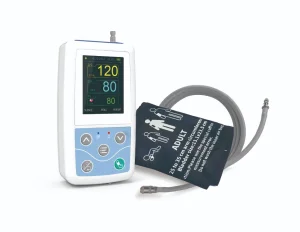 Ambulatory Blood Pressure Monitor Portable Medical Device with 24 Hour Tracking and Hypertension Analysis for Clinical Diagnosis and Home Healthcare Use
View Product →
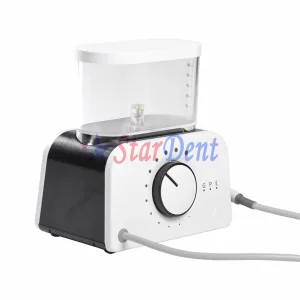 Dental LED Ultrasonic Scaler Automatic Water Supply Dental Hospital Medical Lab Surgical Diagnostic Dentist Clinic Equipment
View Product →
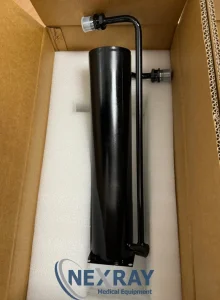 MRI Parts Nexray F-70 Medical Imaging Technology Equipments
View Product →
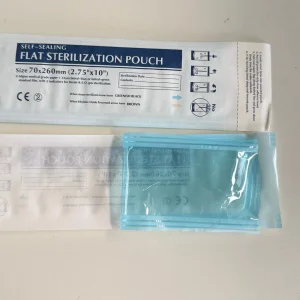 Medical Lab Disposable Dental Consumable Resin Material Supply Self-Sealing Sterilization Pouches 70mm X 260mm
View Product →
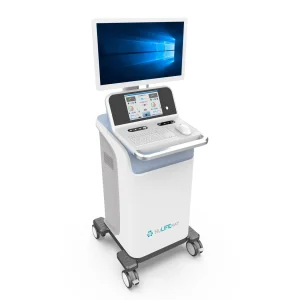 Advanced Medical Microwave Therapeutic Ablation System Device
View Product →
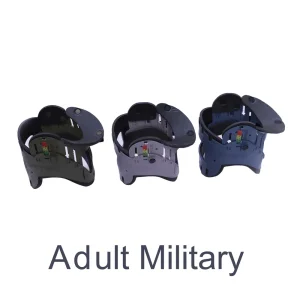 Orthopedic Neck Brace Cervical Traction Device for Neck Pain Relief Posture
View Product →
 MDV Medical