Explore our diverse lineup of premium-tier medical diagnostic units, imaging systems, and patient care systems engineered for global regulatory compliance.
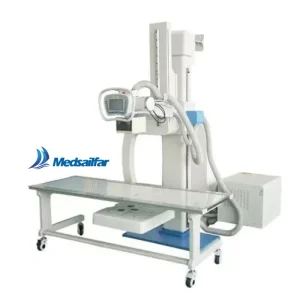
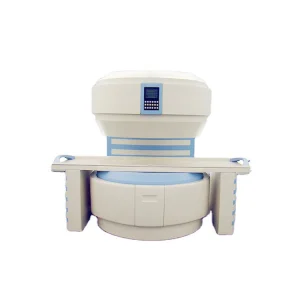
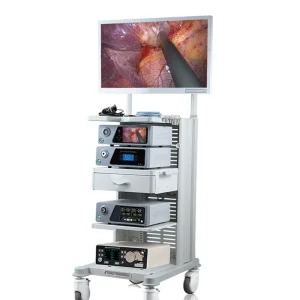
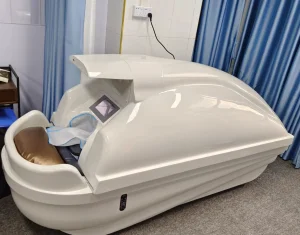
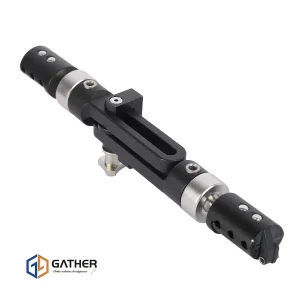
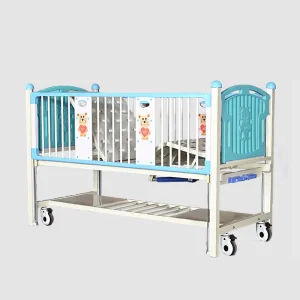
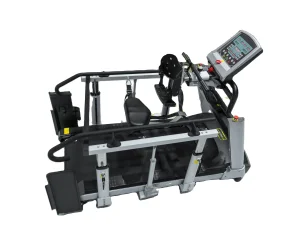
The landscape of modern medicine is shifting rapidly from massive, centralized laboratory infrastructures to agile, decentralized diagnostic ecosystems. This paradigm shift, driven by advances in microfluidics, biosensors, and digital imaging, has positioned portable diagnostic devices at the center of clinical strategies worldwide. By allowing healthcare practitioners to collect real-time data directly at the patient's bedside, these devices minimize transport times, eliminate diagnostic latency, and drastically improve clinical outcomes in emergency medicine, primary care, and isolated field clinics.
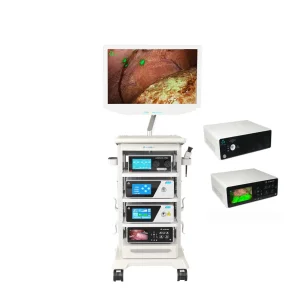
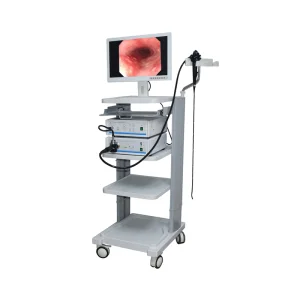
As global populations age and the prevalence of chronic health conditions rises, the demand for portable diagnostics has outgrown basic lateral-flow assays. Contemporary medical facilities require highly sophisticated, multi-parameter monitoring systems. These include pocket-sized ultrasound probes, mobile X-ray units, and ultra-high-definition endoscopic camera systems that deliver near-zero latency video feeds. Consequently, establishing partnerships with high-tier suppliers capable of manufacturing to rigid international specifications is no longer merely a cost-saving measure; it is a clinical safety imperative.
China's role in the global medical device supply chain has transitioned from contract raw-material processing to advanced R&D and complex systems integration. This evolution is underpinned by a massive industrial ecosystem containing high-precision tooling workshops, optical glass processing facilities, specialized silicon fabrication cleanrooms, and stringent regulatory oversight zones. By utilizing these integrated clusters, Chinese manufacturers can execute design iterations and scale production runs at speeds that are challenging to replicate in other markets.
Furthermore, Chinese suppliers have integrated vertically. They handle everything from injection-molded chassis fabrication and electronic board assemblies to cleanroom packaging and final biological sterilization. This integration minimizes lead times, lowers shipping costs, and reduces the risk of cross-contamination during transit between distinct manufacturing units. These industrial clusters also enable suppliers to offer highly customized OEM/ODM services, allowing global buyers to modify device specifications to comply with specific regional regulations, including FDA 510(k), CE MDR, and NMPA standards.
Discover how Qingdao MDV Medical Appliances Co., Ltd. integrates advanced cleanroom technology and global standards to manufacture reliable diagnostic and patient-care equipment.
Qingdao MDV Medical Appliances Co., Ltd. is a modern enterprise focusing on the R&D, manufacturing, and sales of anesthetic medical products, traditional Chinese medicine acupuncture, interventional products, injection puncture, and nursing medical equipment. Always taking the tenet of creating high-quality medical equipment, caring for life and health, and providing customers with first-class products and service, our company has been constantly upgrading our existing products and developing new products. We have many patented products to meet the requirements of product serialization and specialization.
Qingdao MDV Medical Appliances Co., Ltd. has a 50-person team divided into production, quality control, and support units. This structure ensures efficient, high-quality manufacturing and compliance with global medical standards. The raw material, finished product, and sample storage facilities are designed to maintain physical properties and prevent contamination, ensuring that every batch meets cleanroom requirements.
Our products are ISO 13485 certified, ensuring compliance with international medical device standards. Select product lines also hold CE certification, meeting European regulatory requirements. These certifications reflect our rigorous processes and position us as a trusted partner, delivering safe and reliable products for global healthcare. We utilize advanced verification protocols to guarantee product traceablity and batch-to-batch consistency.

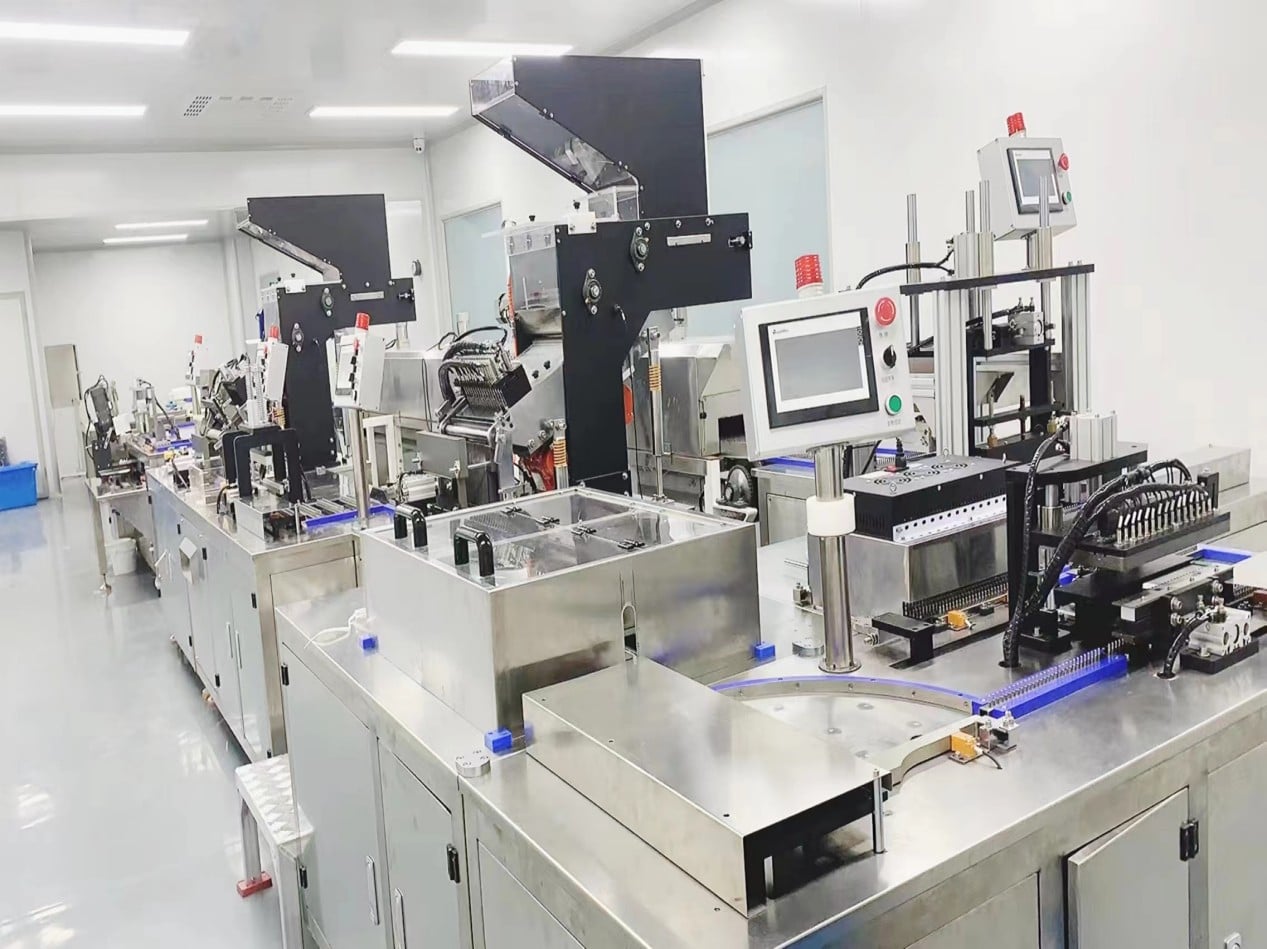
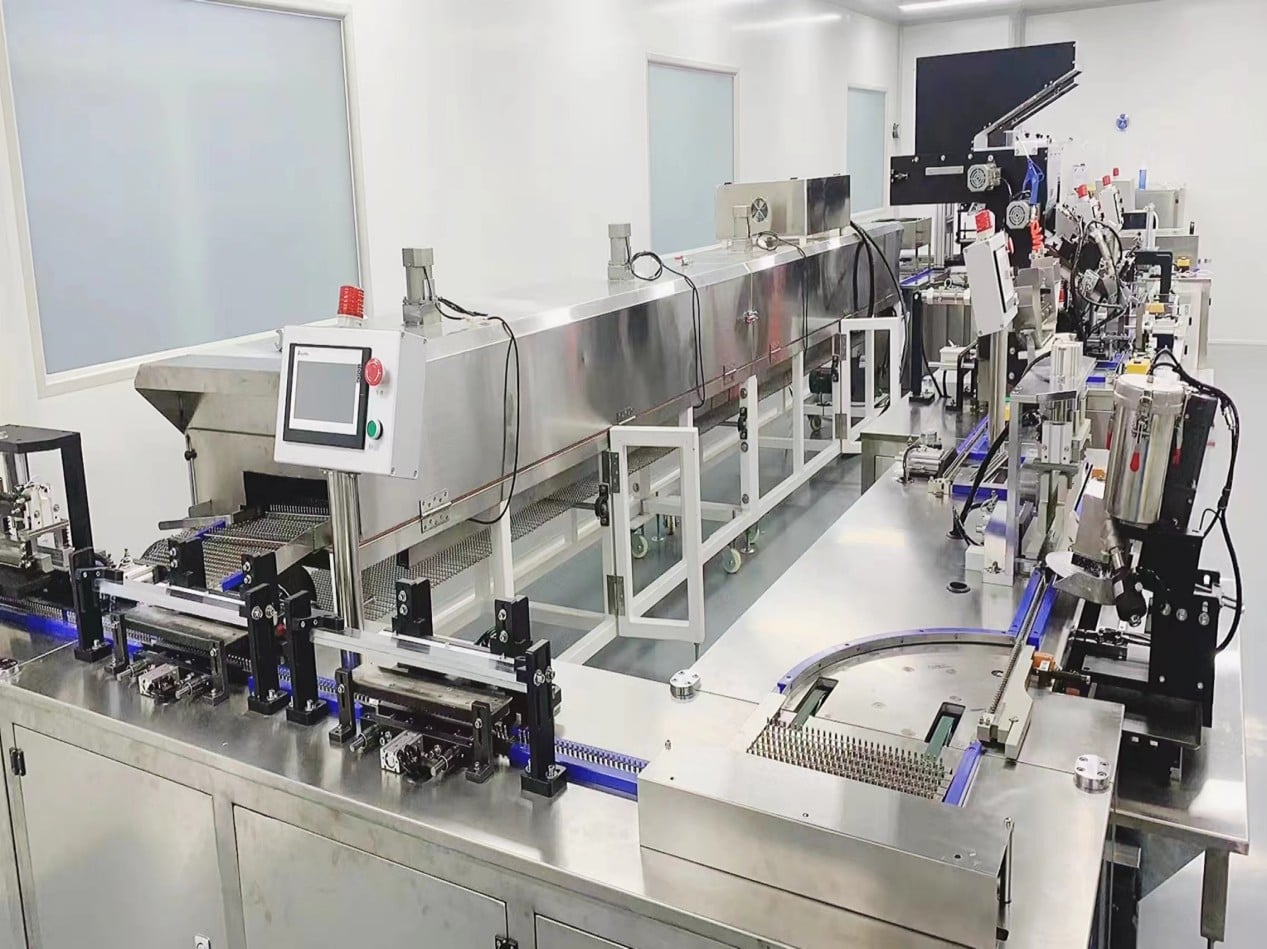
In the medical device industry, quality standards are regulatory requirements, not optional highlights. ISO 13485:2016 outlines the requirements for a comprehensive quality management system dedicated to the design and manufacture of medical equipment. Compliance with this standard indicates that a supplier can manage risks, control design changes, and maintain batch traceability across their manufacturing processes.
Additionally, obtaining CE marking allows access to the European Economic Area (EEA) and other global regions that align with EU regulations. For medical diagnostics, this involves meeting the European Medical Device Regulation (EU 2017/745, MDR) or the In Vitro Diagnostic Regulation (EU 2017/746, IVDR). Suppliers that invest in these regulatory clearances demonstrate a commitment to clinical validation, biological safety, and post-market surveillance. This reduces procurement risks for international buyers and ensures that devices are ready for clinical deployment.
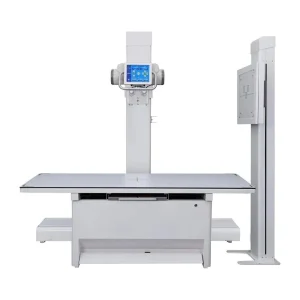
Portable diagnostic devices are deployed across various medical settings, from emergency response field hospitals to long-term rehabilitation clinics. The integration of high-resolution imaging systems (such as fluoroscopy, MRI, and 4K endoscopy) with localized diagnostic tools enables rapid clinical decisions, reducing patient recovery times.
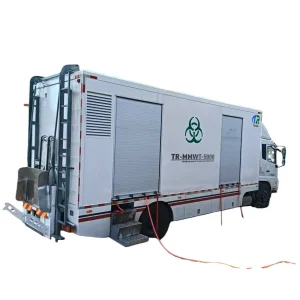
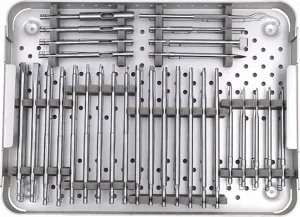
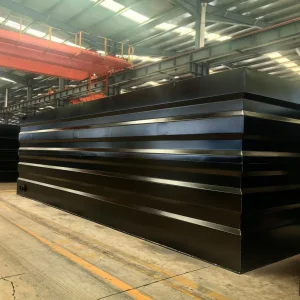
For instance, in emergency triage, a containerized mobile waste disposal system and localized wastewater treatment systems work alongside mobile imaging labs. This helps prevent environmental contamination while providing diagnostic services in isolated zones. Similarly, in surgical centers, combining orthopedic external fixation instruments with real-time fluoroscopic imaging ensures precise placement and tracking of skeletal adjustments. This highlights the value of integrated diagnostic ecosystems over isolated devices.
Always taking the tenet of creating high-quality medical equipment, caring for life and health, and providing customers with first-class products and service, our company has been constantly upgrading our existing products and developing new products.
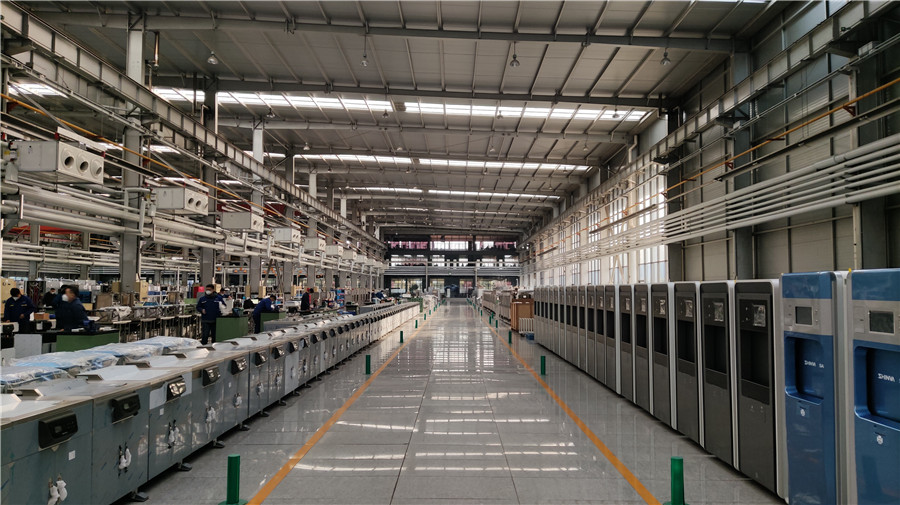
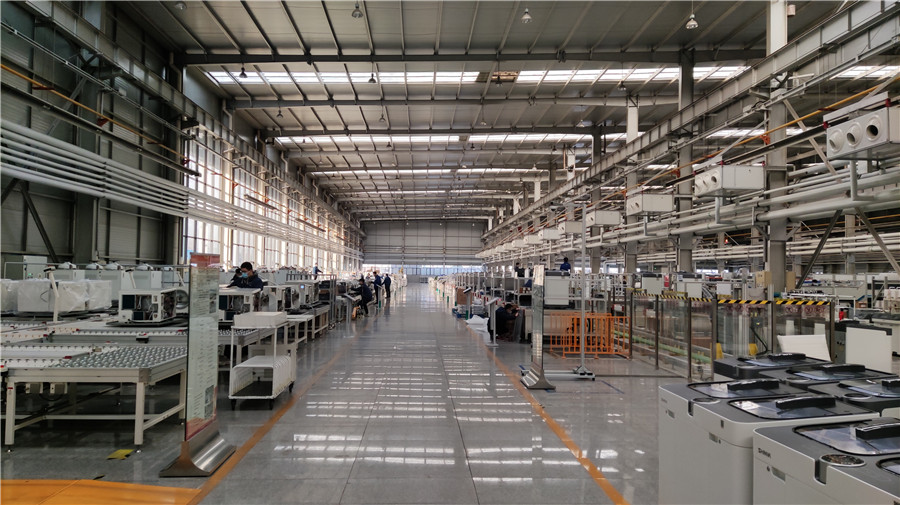
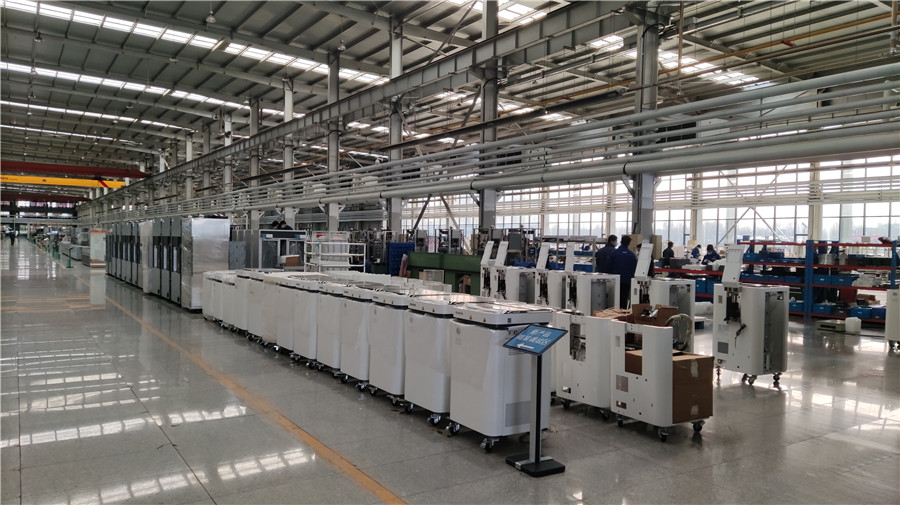
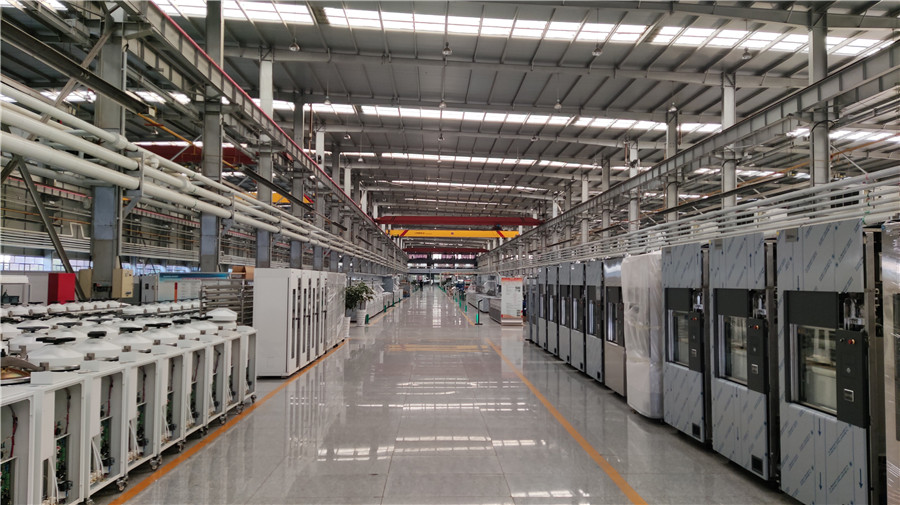
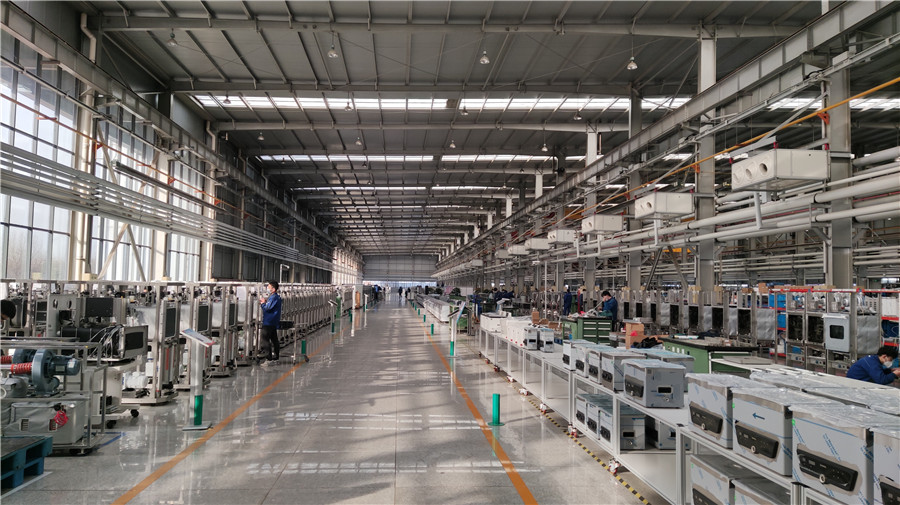
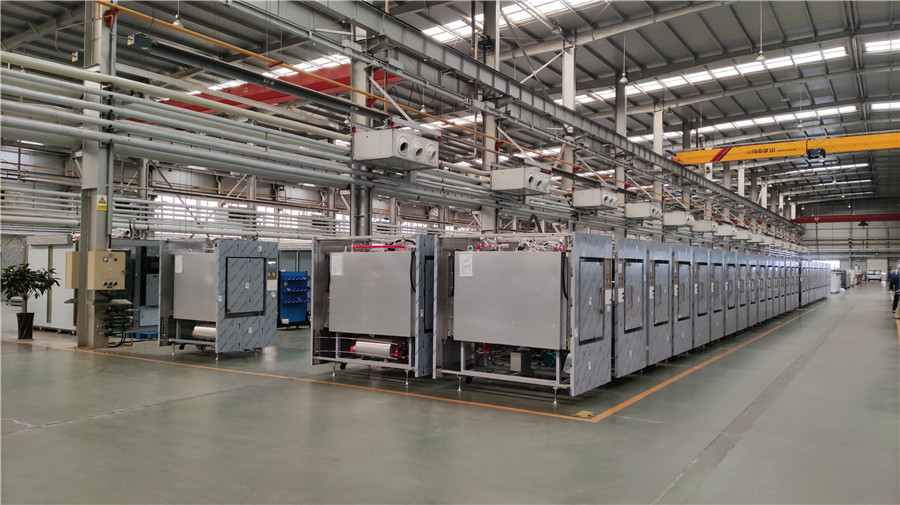
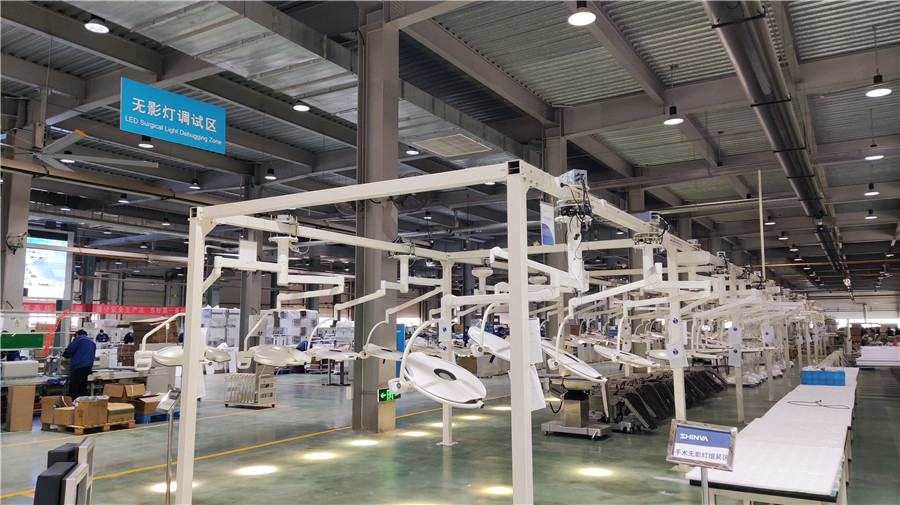
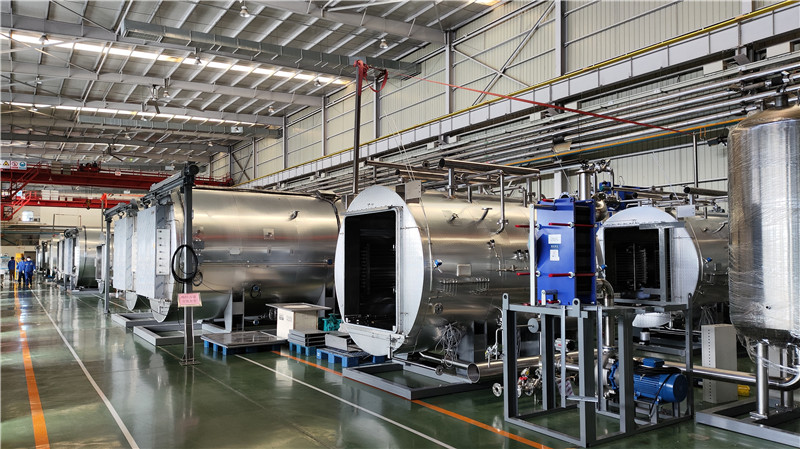
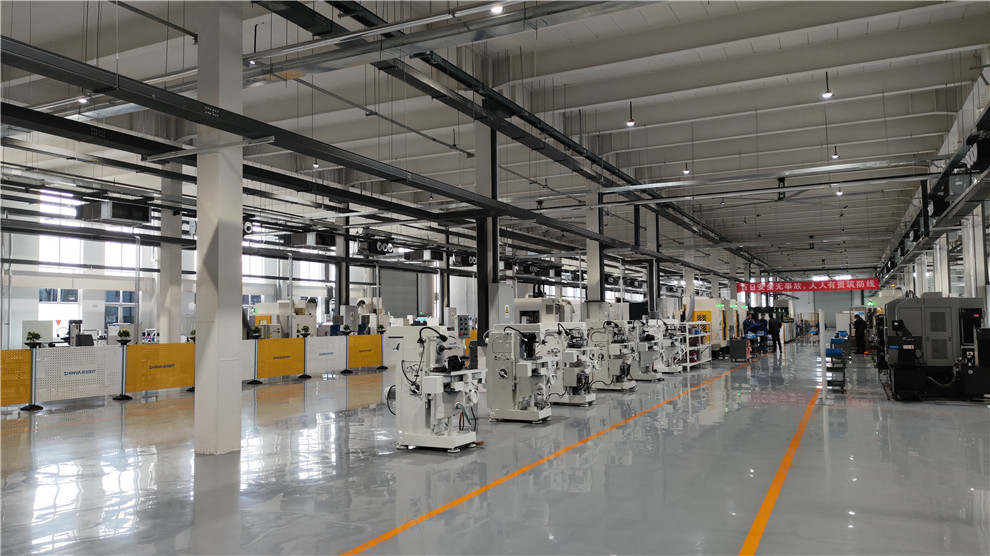
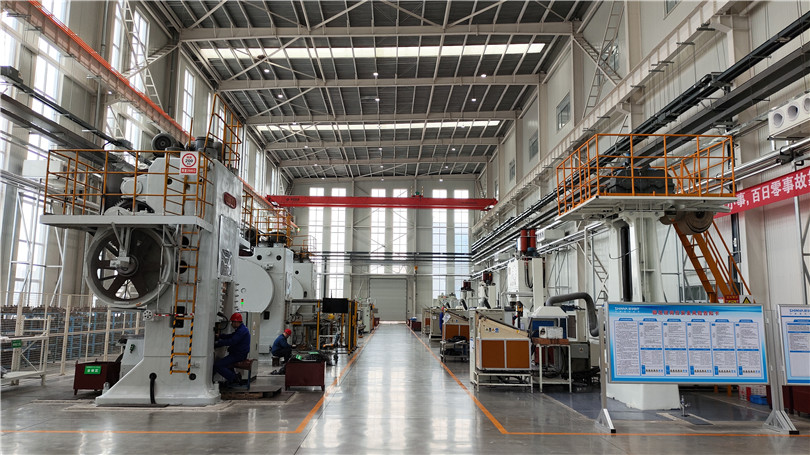
For international distributors, hospital procurement managers, and NGOs, selecting a diagnostic device supplier requires evaluation across several criteria. Key metrics include:
Working with manufacturers that offer dedicated testing reports for electromagnetic compatibility (EMC) and mechanical drop testing reduces regulatory bottlenecks, ensuring smoother product launches in target regions.
The integration of artificial intelligence (AI) in triage systems is a key trend in point-of-care diagnostics. AI algorithms running on local microprocessors can highlight potential anomalies in chest X-rays or point-of-care ultrasound scans, providing clinical support in environments without immediate access to imaging specialists.
Additionally, the transition to multi-modal diagnostic platforms is gathering pace. Devices that combine imaging with blood panel analysis or molecular detection help clinicians run complex diagnostic protocols within a single patient session. This simplifies clinical workflows and reduces the footprint required in mobile clinics and remote medical centers.
Technical and regulatory insights for procurement managers and global distributors evaluating China-based medical hardware suppliers.
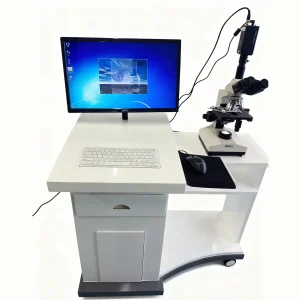
Discover our specialized range of emergency waste treatment units, advanced endoscopic cameras, clinical laboratory systems, and surgical equipment.
 MDV Medical