MDV Medical
1 / 5

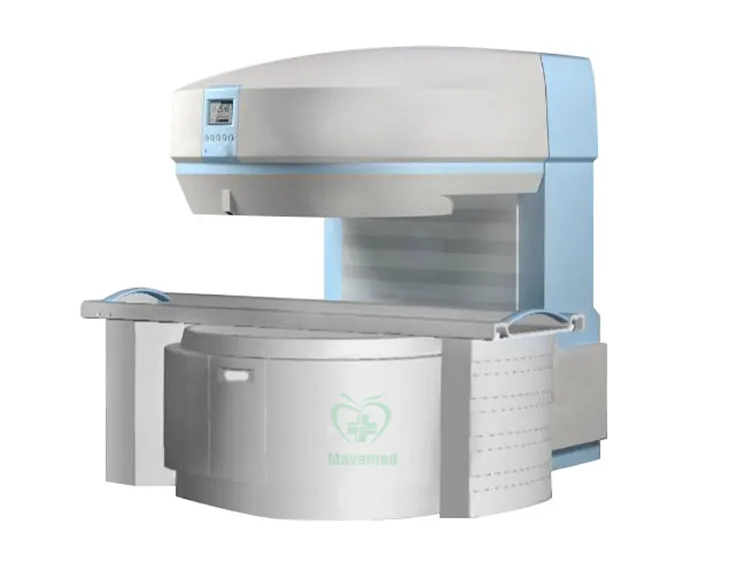
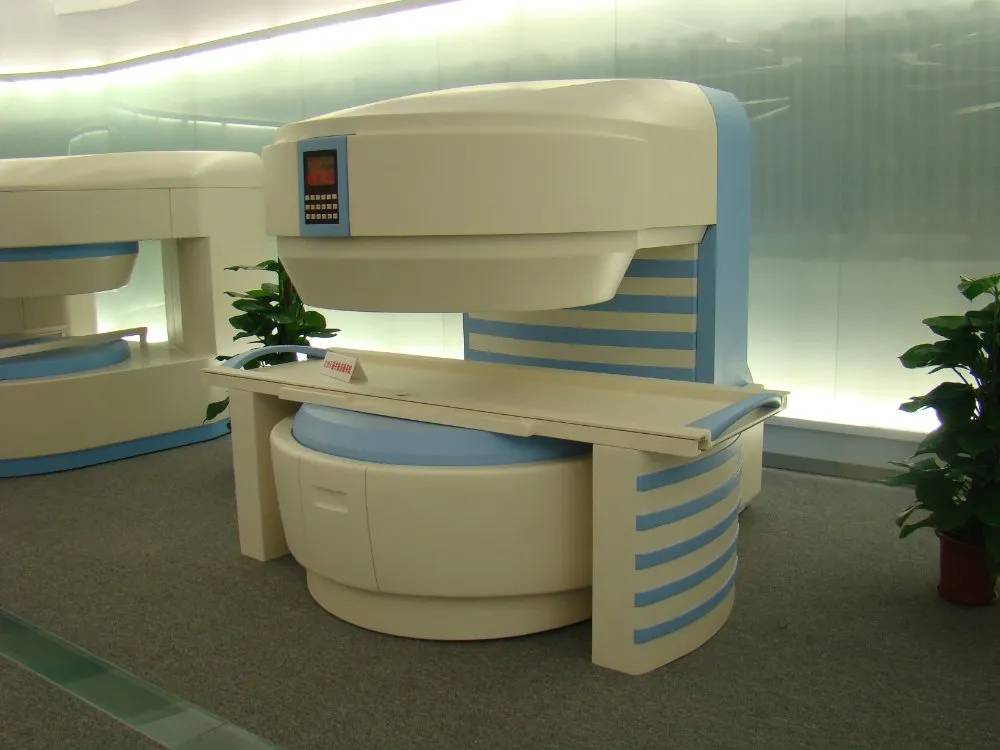
| 1.0 Magnet System | |
| Operating Field Strength | 0.35 Tesla (3500 Gauss) |
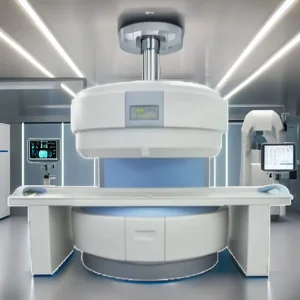
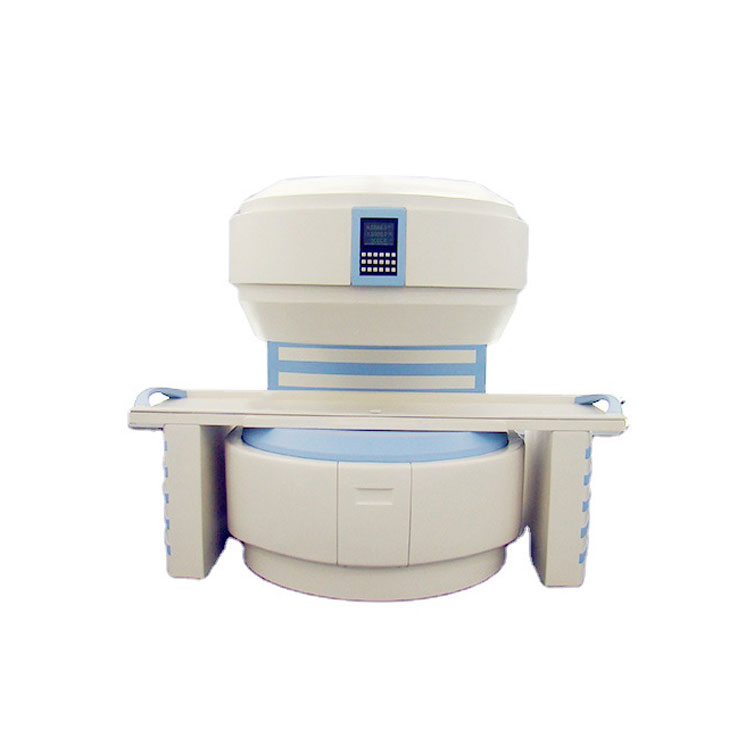
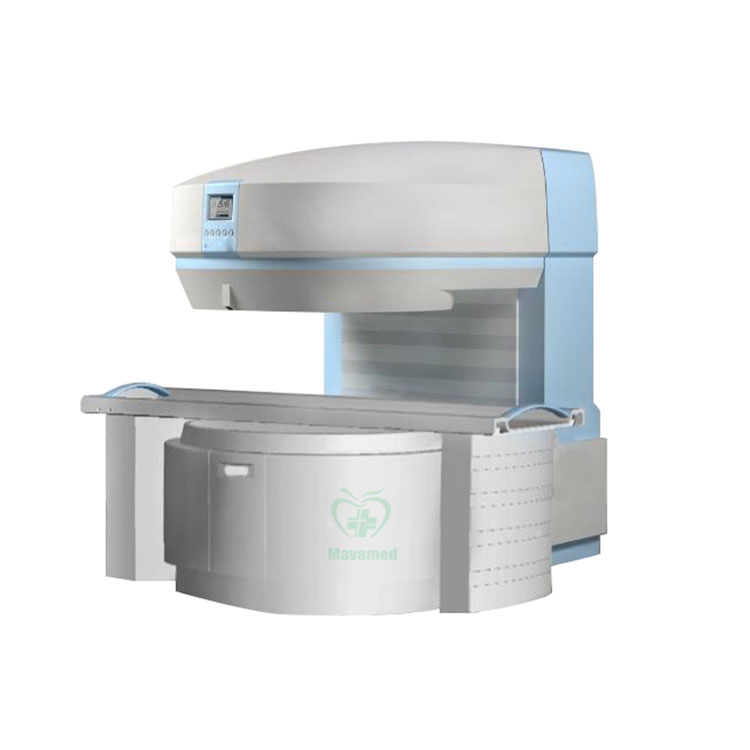
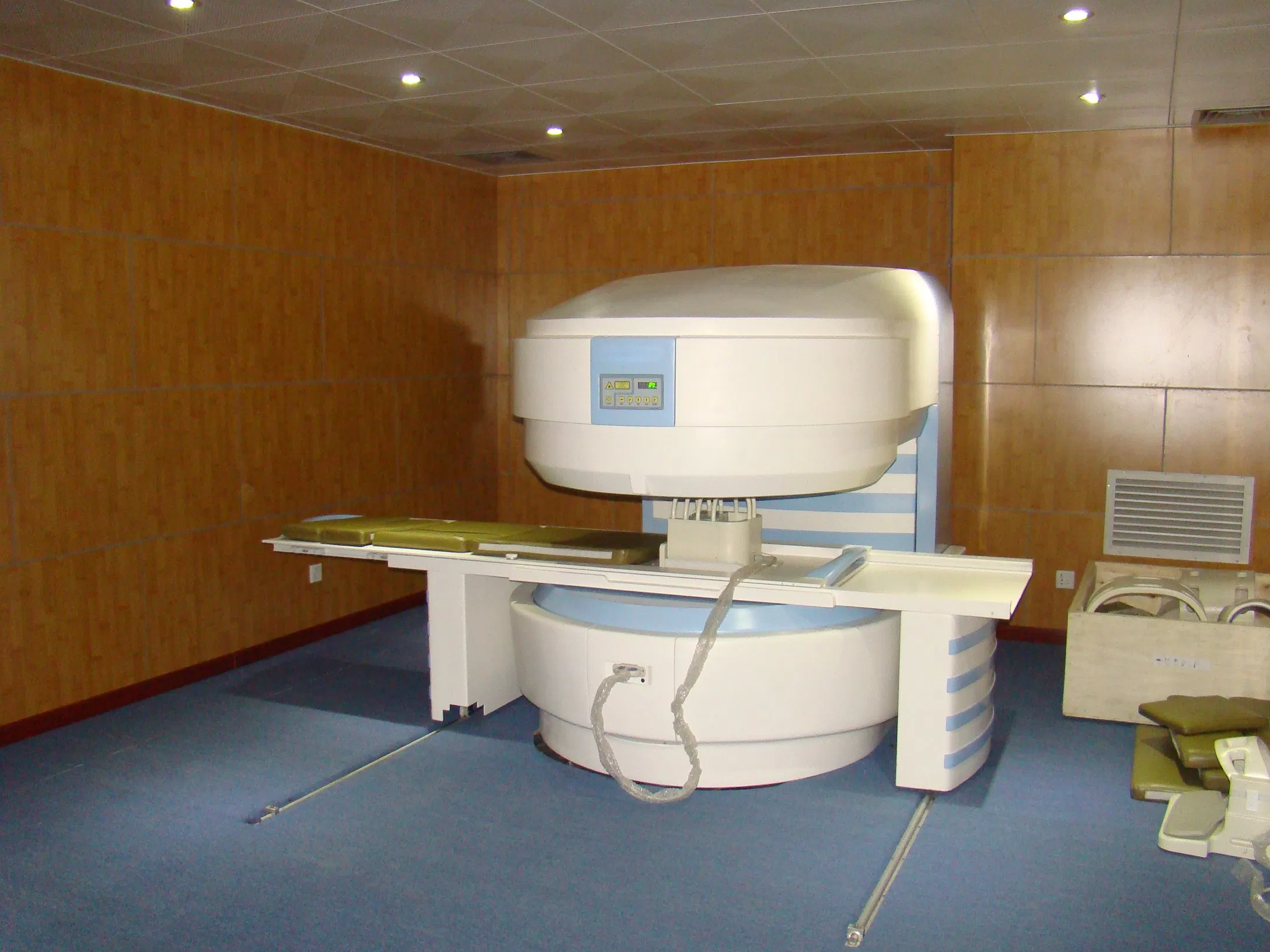
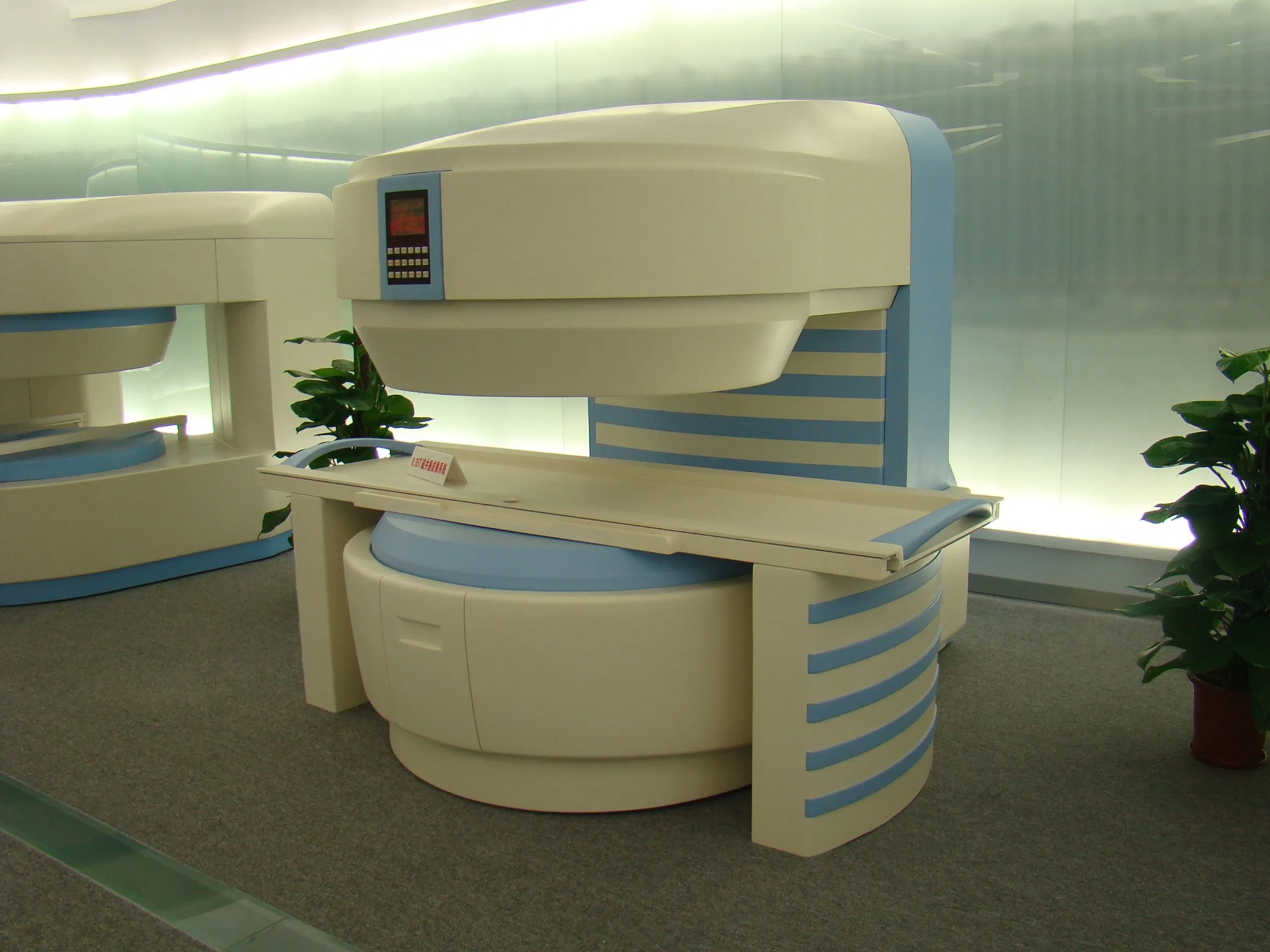
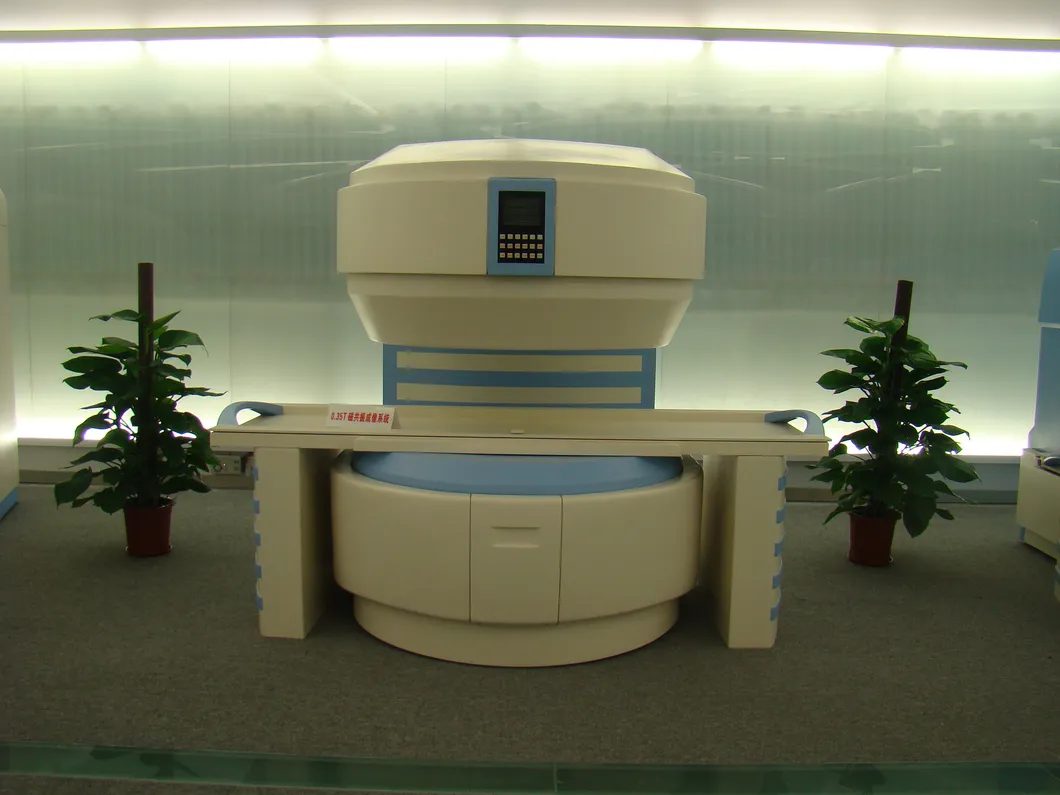
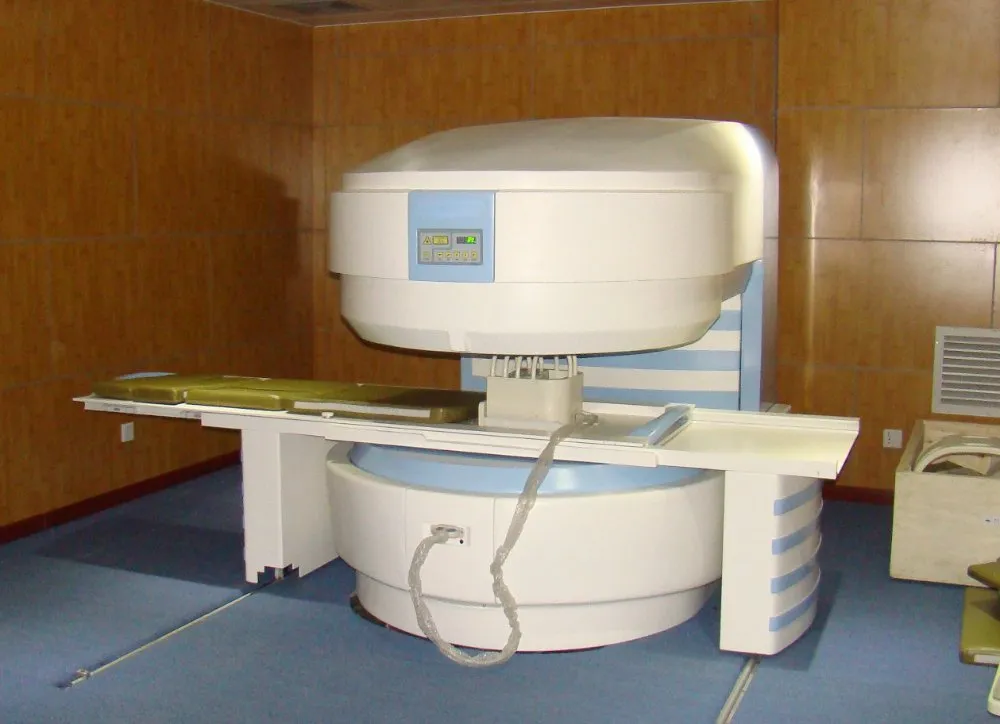
| Magnet Type | Full open C-shaped, 2-column |
| Magnetic Material | Permanent Nd-Fe-B magnet |
| Homogeneity | (400mm DSV) ≤ 2.0ppm (Vrms) |
| Patient Gap | 400mm (cover to cover) |
| Net Weight | 17,500 KGS |
| 2.0 Gradient & RF System | |
| Gradient Strength | Max. 25mT/m (Gx/Gy/Gz) |
| Slew Rate | 64mT/M/ms (Gx/Gy/Gz) |
| Spectrometer | Digital (4 channels) |
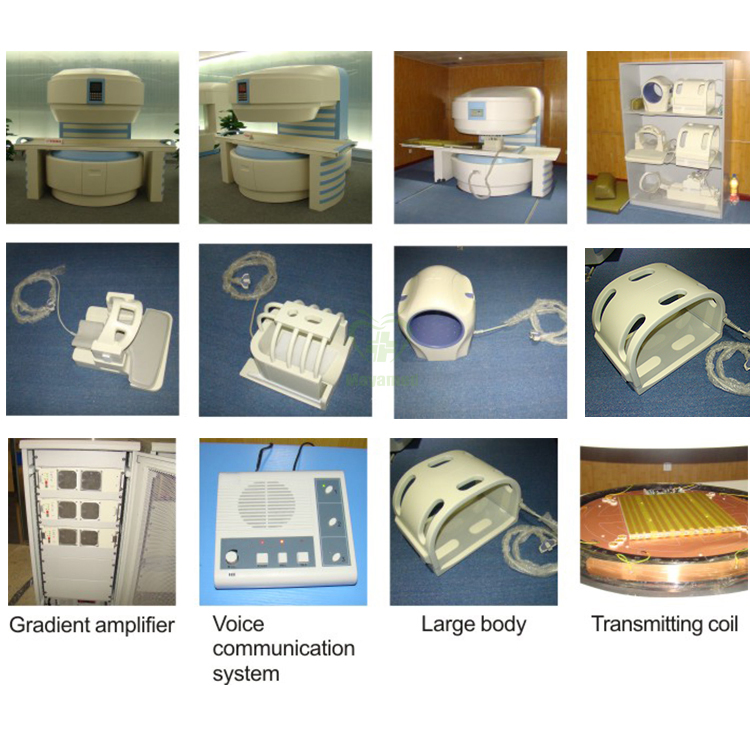
| Transmitting Coil | Flat planar coil |
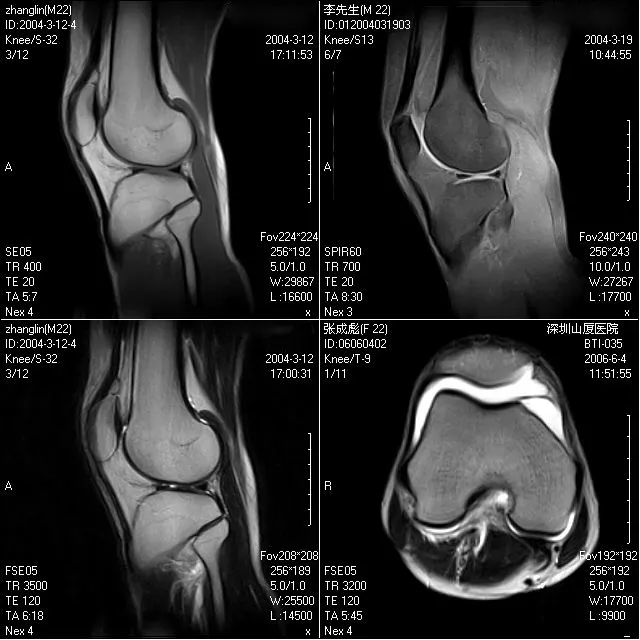
| Receiving Coils | Phase array (Head, Neck, Body, Knee) |
| 3.0 Computer & Software | |
| Operating System | Windows Platform |
| Display | ≥22'' TFT |
| Interface | DICOM 3.0 Standard |
| Pulse Sequences | SE, MSME, GRE, FSE, SSFSE, IR, STIR, FLAIR, MRA, DWI, EPI |
The main advantage is significantly lower operating costs. Because it uses a permanent magnet, it does not require expensive liquid helium for cooling, making it much easier to maintain.
Yes, the open C-shaped design is much more "patient-friendly," especially for those with claustrophobia or for pediatric patients, as it provides a more open environment compared to traditional tunnel-style MRI machines.
The patient table is designed to handle a maximum load of approximately 240kg and includes a laser light localizer for precise positioning.
Yes, the system supports a wide range of pulse sequences including Magnetic Resonance Angiography (MRA) and Diffusion Weighted Imaging (DWI), as well as MRM, MRU, and MRCP.
The system requires a power supply of 3N~380/400V 50/60Hz with a power capacity of 10KVA.
Yes, the standard configuration includes a phase array coil set consisting of Neck, Head, Large Body, Small Body, and Knee coils. Specialized coils for the wrist or shoulder are available as options.