 MDV Medical
A certified manufacturing base for ICU ventilation, oxygen therapy, airway clearance, infection control, monitoring and industrial breathing protection — engineered for hospitals, clinics, industrial safety teams and research institutions across Novosibirsk and the Siberian Federal District.
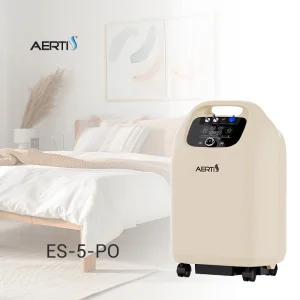
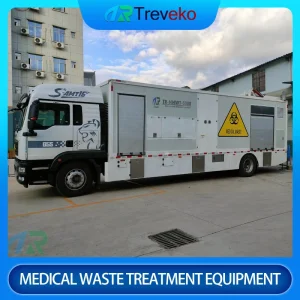
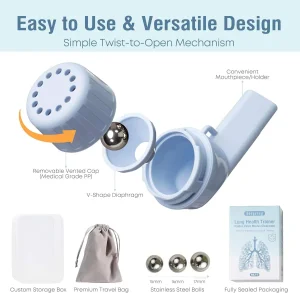
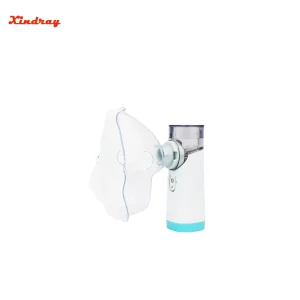
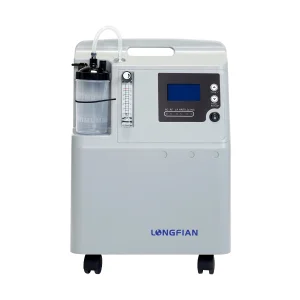
Send Inquiry NowThese four platforms are the most frequently requested entries into the Novosibirsk clinical and industrial supply chain: a quiet 5L VPSA oxygen source for distributed oxygen therapy, a fast medical waste disinfection unit that protects respiratory circuits, an adjustable airflow resistance device for pulmonary rehabilitation, and a medical nebuliser used in infection-prevention programmes.
Novosibirsk is the largest city in Siberia and the administrative centre of the Siberian Federal District. It concentrates more than 1.6 million residents into a single metropolitan healthcare system that includes regional clinical hospitals, municipal polyclinics, cardio-pulmonary centres, perinatal facilities, ambulance stations, and one of the densest academic-medical research clusters in the country. Akademgorodok, the science campus on the southern shore of the Ob Reservoir, hosts dozens of institutes where respiratory physiology, aerosol transmission and biomedical engineering are studied continuously.
Three structural forces keep that infrastructure under permanent pressure. First, the climate. Novosibirsk has a sharply continental climate, with winter temperatures that routinely fall below −25 °C and a heating season that lasts roughly seven months. Long indoor seasons increase airborne pathogen transmission and raise the burden of chronic obstructive pulmonary disease, asthma and paediatric respiratory infections. Second, the demographic profile. The oblast population is ageing, which lifts demand for long-term oxygen therapy, home mechanical ventilation and structured pulmonary rehabilitation. Third, the policy environment. Federal and regional healthcare development programmes have been steadily upgrading intensive-care capacity, equipping primary-care networks and moving diagnostics closer to the patient.
For procurement teams, the practical consequence is a requirement for suppliers who can deliver a complete respiratory chain rather than isolated boxes. That chain runs from oxygen generation and nebulisation, through invasive and non-invasive ventilation, airway clearance, EtCO₂ monitoring and mask fit verification, to respiratory-circuit disinfection — and even to the medical-grade extrusion lines used to manufacture the catheters, nasal cannulas and tracheal tubes the chain consumes. The portfolio presented on this page is organised around exactly that chain, which is why a factory-direct exporter model consistently outperforms a patchwork of unrelated distributors in the Novosibirsk market.
This white paper is written for hospital biomedical engineers, regional procurement specialists, industrial safety managers and research buyers who need to compare technical roadmaps, not just price lists.
Understanding where respiratory equipment is actually consumed in Novosibirsk is the difference between a generic catalogue and a commercially useful supply plan. Five distinct demand pools operate in parallel.
The Novosibirsk Oblast operates a large network of state and municipal healthcare institutions, including regional clinical hospitals, dedicated cardiology and pulmonology centres, perinatal facilities, infectious-disease hospitals and a dense polyclinic layer. Since 2020, intensive-care capacity expansion has been a policy priority: designated hospitals received ventilators, oxygen infrastructure and monitoring equipment, and that first procurement wave is now entering its maintenance and replacement cycle. Buyers are shifting from "how many beds can we equip" to "how reliable, serviceable and connected is each device".
Regional and municipal purchases follow federal contracting law, and tender documentation typically demands medical device registration documentation, Russian-language instructions and labelling, metrological certification for dosing-related instruments, and warranty terms of 12 to 36 months. Equipment intended for EAEU circulation must also satisfy the applicable Customs Union technical regulations and carry EAC marking. Suppliers that prepare the full documentation package at the factory level shorten the gap between award and clinical deployment by weeks.
Novosibirsk Oblast borders the Kuzbass coal basin and the West Siberian oil and gas province. Mining, metallurgy, chemical processing, utilities and construction enterprises require SCBA self-contained breathing apparatus, respiratory masks and cylinder systems, together with periodic face-mask tightness testing. Russian labour-protection rules emphasise documented annual fit testing for respiratory protective equipment — a requirement that turns mask tightness testers from a niche instrument into a recurring annual purchase.
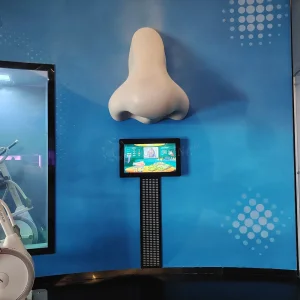
Akademgorodok institutes, Novosibirsk State University and a growing network of science museums and health-education centres purchase interactive physiology exhibits. A device that measures "sneeze wind speed" converts respiratory hygiene teaching into a measurable experiment, and it serves public health communication campaigns financed by regional preventive-medicine budgets.
Small-animal clinics across the city and the surrounding oblast are upgrading from manual anaesthesia to ventilator-supported procedures. Veterinary anaesthesia ventilators with small-tidal-volume accuracy are a fast-growing niche that mirrors, but does not duplicate, human ICU requirements.
Tolmachevo Airport handles cargo connections via Moscow and St Petersburg; the Trans-Siberian Railway and the Novosibirsk marshalling hub receive container traffic from Zabaikalsk (the Manzhouli corridor) and from Kazakhstan; federal highways M51 and M52 distribute goods across a 600-kilometre radius. Respiratory equipment brings its own logistics rules — fragile housings, lithium batteries, calibration gases and Russian-language labelling — so packaging, dangerous-goods classification and spare-part stocking must be designed at the factory, not improvised at the border.
The global respiratory care equipment category generated revenue in the region of USD 24–28 billion in 2023, and consensus forecasts put compound annual growth at roughly 7% to 9% through 2030. That growth is not evenly distributed. Mature markets are replacing pandemic-era purchases and concentrating on connectivity and consumables, while secondary and emerging markets are still expanding basic coverage. Four structural shifts matter most for a Siberian buyer.
Capabilities once confined to large ICUs — high-flow oxygen therapy, non-invasive ventilation, continuous EtCO₂ monitoring — are migrating to district hospitals, day clinics and home-care programmes. Equipment that cannot be operated by a generalist nurse will not survive this migration.
Quiet VPSA and PSA oxygen concentrators allow clinics, ambulance substations and industrial first-aid posts to generate oxygen on demand, removing dependence on cylinder logistics — a decisive advantage in a region where winter transport windows are narrow.
Consumables, calibration, training and software updates now drive a larger share of lifetime value than the initial capital sale. A supplier without a documented service pathway is a supplier with a hidden total cost of ownership.
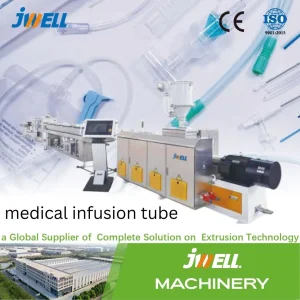
Demand for catheters, nasal cannulas, tracheal tubes and high-precision infusion tubing is pulling investment toward medical-grade single-screw extrusion lines capable of running validated polymers under ISO 13485 process control.
On the supply side, China has consolidated its position as the world's highest-volume respiratory equipment manufacturing base, with factories holding both ISO 13485 quality-system certification and CE marking on selected product families. For Novosibirsk buyers this creates a straightforward arbitrage: factory-direct and OEM models deliver lower total cost of ownership, tighter documentation control and faster customisation than multi-layer distribution.
Clinic-level oxygen generation replaces part of the cylinder and bulk-liquid supply chain, reducing refill dependency during extreme weather.
Circuit disinfection and medical waste treatment move from ad-hoc practice to documented protocol, driven by hospital-acquired infection reporting.
Networked ventilators stream waveforms and alarms to central stations and remote intensivist support services.
Predictive alarm logic and automated weaning suggestions reduce clinician workload in understaffed night shifts.
Post-viral and COPD rehabilitation programmes institutionalise devices for inspiratory muscle training and airway clearance.
Medical-grade extrusion and assembly partnerships reduce lead time for disposable airways and catheters.
Small-animal ventilator utilisation grows as advanced surgery becomes routine in urban clinics.
Interactive physiological exhibits turn respiratory protection and hygiene education into measurable public experiences.
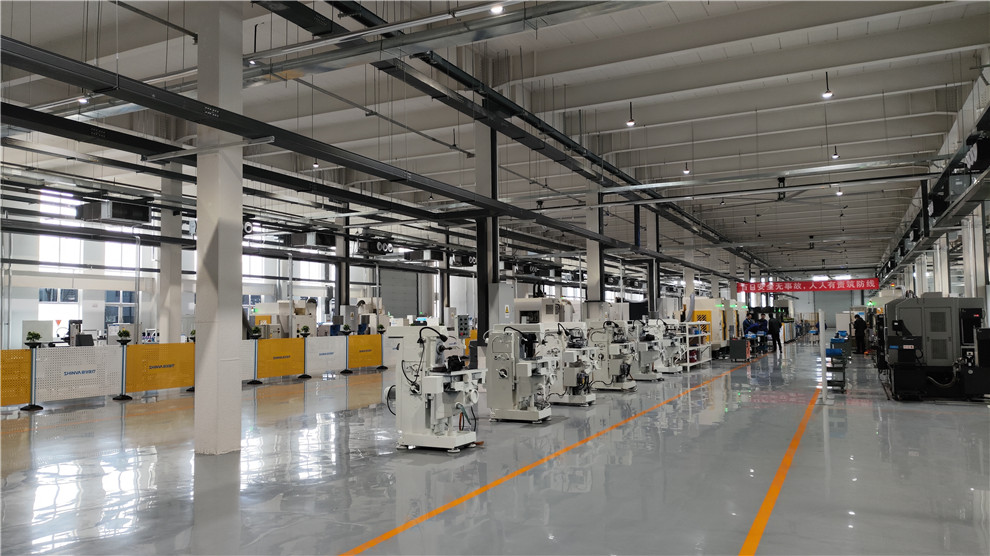
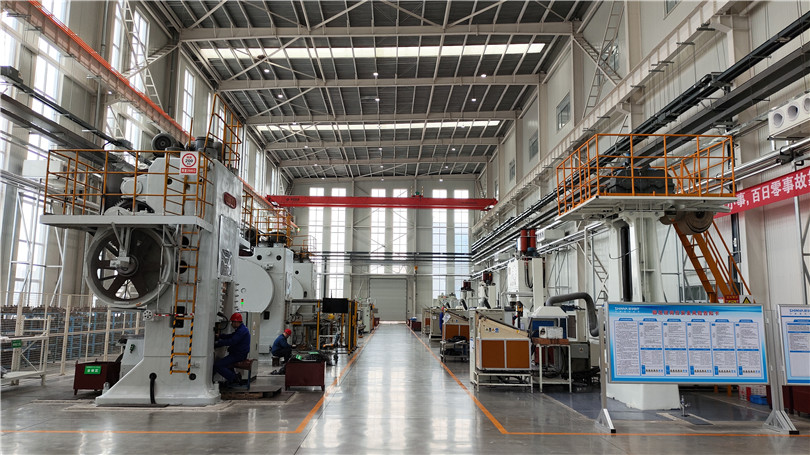
Verified infrastructure figures matter more than marketing claims when a regional hospital evaluates a long-term supplier. The numbers below describe the production base behind every product referenced on this page.
A realistic roadmap for respiratory equipment in Novosibirsk is not a technology wish list — it is a sequence dictated by infrastructure, workforce and procurement cycles. The five-stage path below reflects how the region is likely to move from capacity to capability.
Complete replacement of ageing ventilators with turbine-driven ICU platforms supporting volume, pressure and non-invasive modes, plus integrated EtCO₂ monitoring. Procurement criteria shift toward serviceability, spare-part availability and data export.
Quiet VPSA oxygen machines are deployed in polyclinics, ambulance substations and industrial medical posts, turning oxygen supply from a logistics problem into a local utility.
Respiratory-circuit disinfection and medical waste treatment become standard operating procedure, while medical-grade single-screw extrusion lines allow regional partners to produce catheters, nasal cannulas and tracheal tubes domestically.
Ventilator and monitor data feed remote ICU dashboards; mask tightness testing is digitised with recorded results for occupational health audits; pulmonary rehabilitation is prescribed with objective adherence data.
Closed-loop oxygen titration, predictive alarm suppression and standardised data interchange across EAEU hospitals move the region from device ownership to capability management.
The same factory can serve eight very different purchasing realities. Each scenario below maps a respiratory equipment category to a specific Novosibirsk use case, so procurement teams can specify the right configuration the first time.
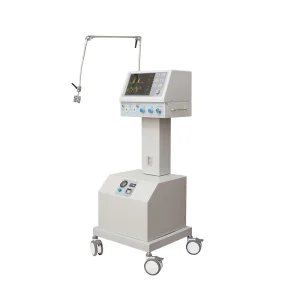
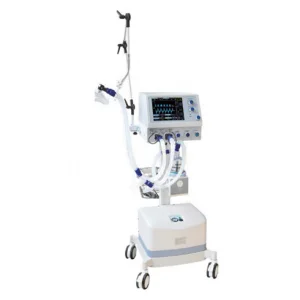
Regional and municipal ICUs require adult and paediatric ventilation with battery backup, integrated monitoring and Russian-language interfaces. See the PA700b ICU platform below for a hospital-grade configuration reference.
Ambulance stations need compact oxygen supply, aerosol therapy and portable ventilation that survive −30 °C transport conditions and repeated disinfection.
Functional diagnostics departments combine spirometry workflows with bronchodilator nebulisation and inspiratory muscle training for COPD and post-infectious rehabilitation.
Patients discharged with long-term oxygen prescriptions are supported by quiet concentrators and adjustable resistance training devices, reducing readmission pressure on regional hospitals.
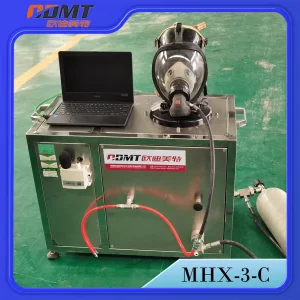
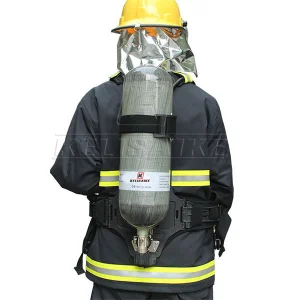
Mining, metallurgy and petrochemical sites deploy SCBA systems with air cylinders, backed by computer-controlled face-mask tightness testing for annual compliance records.
Museums, universities and school health programmes install interactive respiratory exhibits that quantify sneeze dynamics and aerosol spread.
Small-animal practices adopt anaesthesia ventilators with precise low-tidal-volume control for procedures that previously relied on manual bagging.
Regional manufacturers use medical-grade single-screw extrusion equipment to produce respiratory catheters, nasal cannulas and high-precision infusion tubing.
Clinical capability is only half of the respiratory chain. The other half is verification and production: carbon dioxide monitoring to confirm ventilation adequacy, quantitative mask fit testing to satisfy occupational health audits, and medical-grade extrusion to keep consumable supply local and traceable.
Rather than selling isolated devices, a mature respiratory programme is structured around five interoperable pillars. Each pillar can be procured independently, but the value compounds when they are specified together.
ICU ventilators, breathing machines and respiratory support platforms with paediatric-to-adult coverage, battery autonomy and non-invasive modes.
VPSA oxygen generation, medical nebulisation and humidification — the front line of obstructive and infectious respiratory disease management.
Respiratory-circuit disinfection, medical waste treatment and PVC airway consumables that keep cross-contamination risk measurably controlled.
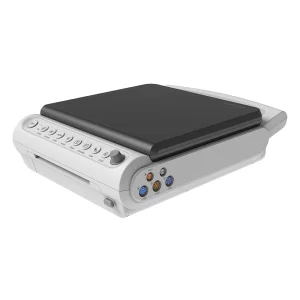
EtCO₂ patient monitoring and computer-controlled mask tightness testing turn clinical and occupational safety into auditable data.
Medical-grade extrusion lines, OEM configuration, operator training, spare-part kits and calibration schedules that keep the chain running after commissioning.
Registration dossiers, Russian-language manuals, test reports and EAC conformity documentation prepared before shipment, not after arrival.
Qingdao MDV Medical Appliances Co., Ltd. is a modern enterprise focusing on the R&D, manufacturing and sales of anesthetic medical products, traditional Chinese medicine acupuncture, interventional products, injection puncture and nursing medical quipment. The company has passed the ISO 13485 Medical Device Quality System Certification.
Always taking the tenet of creating high-quality medical equipment, caring for life and health, and providing customers with first-class products and service, our company have been constantly upgrading our existing products and developing new products. We have many patented products to meet the requirements of product serialization and specialization.
Qingdao MDV Medical Appliances Co., Ltd. has a 50-person team divided into production, quality control, and support units. This structure ensures efficient, high-quality manufacturing and compliance with global medical standards.
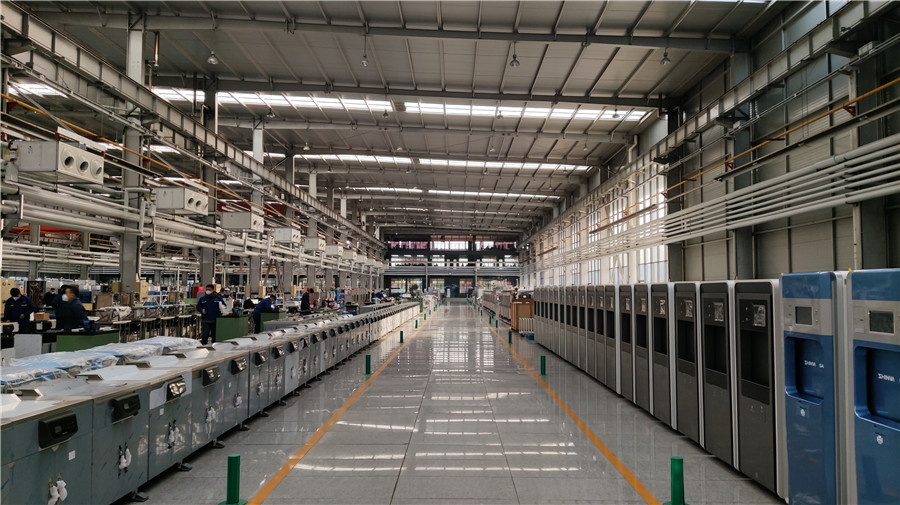
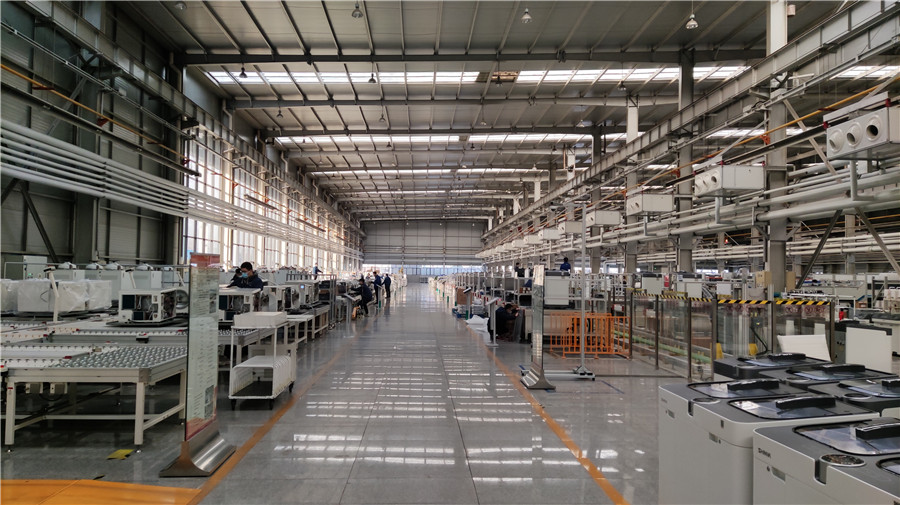
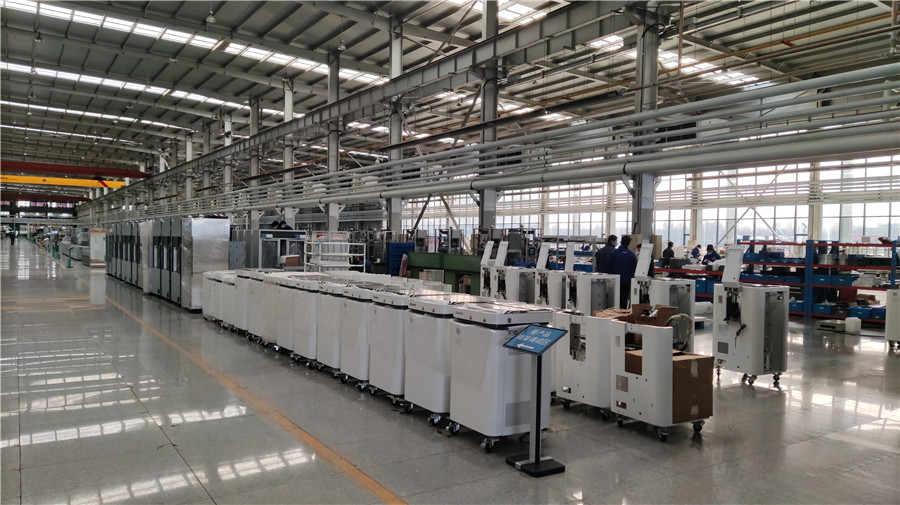
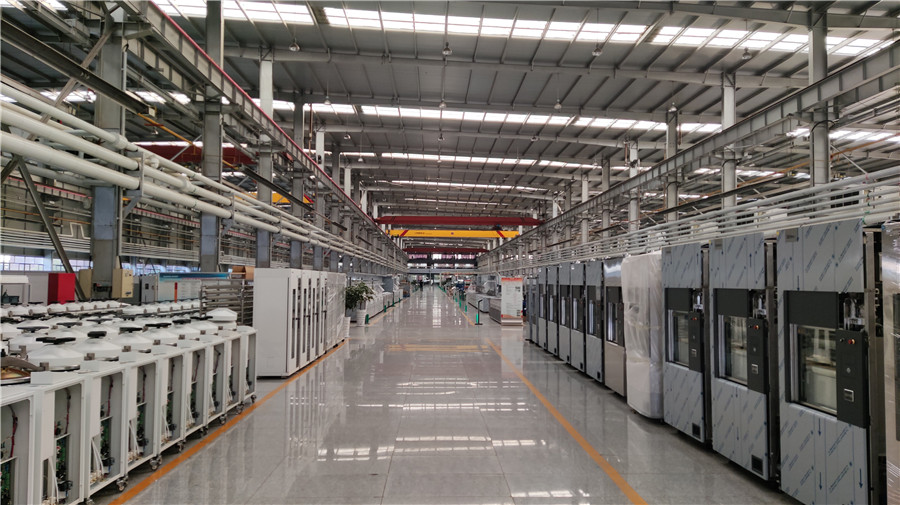
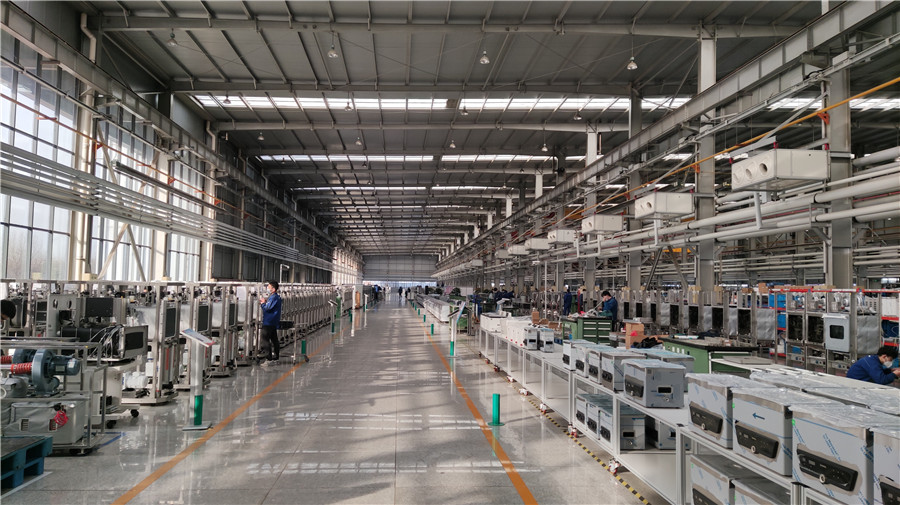
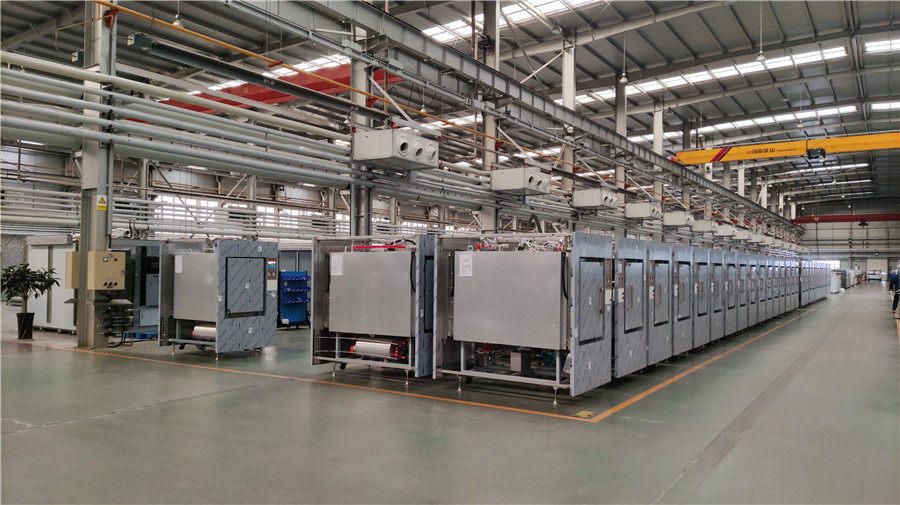
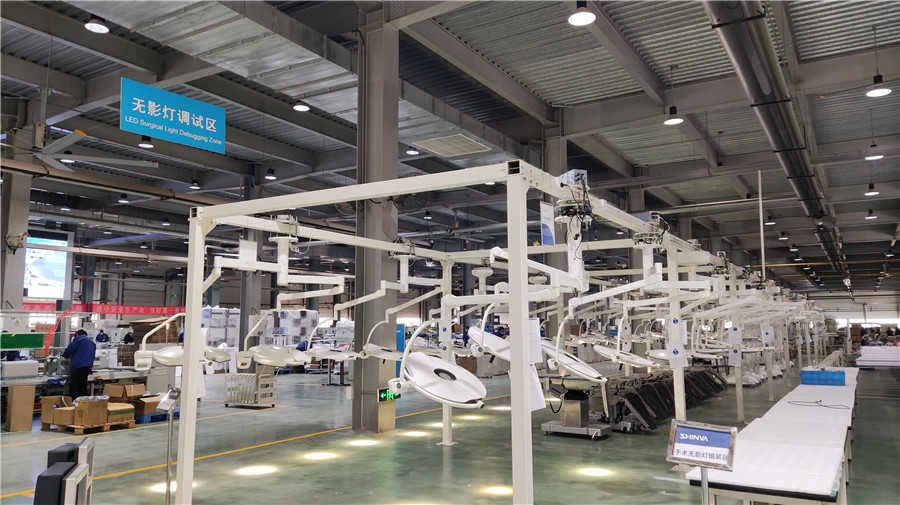
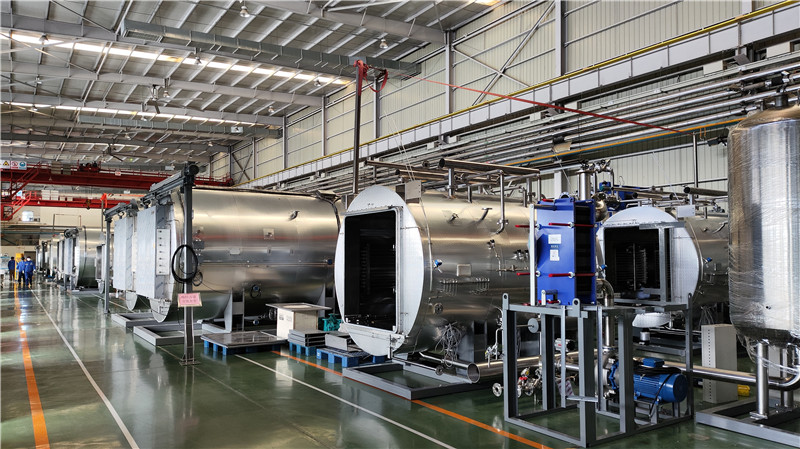
The company spans 6,600 sqm, with 4,700 sqm of construction area. The production area is 2,300 sqm, including a 1,500 sqm cleanroom and a 200 sqm quality inspection zone. It also features well-designed raw material, finished product, and sample storage facilities.
Our products are ISO 13485 certified, ensuring compliance with international medical device standards. Some also hold CE certification, meeting European regulatory requirements. These certifications reflect our rigorous processes and position us as a trusted partner, delivering safe and reliable products for global healthcare.
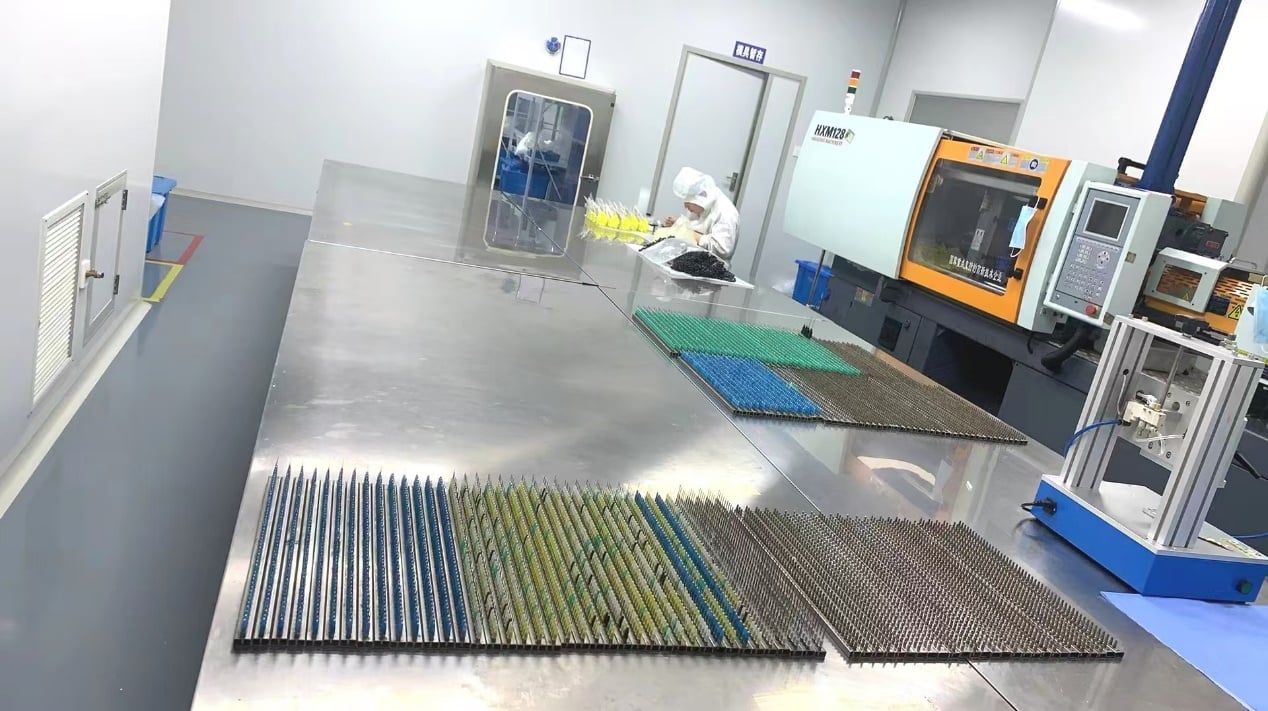
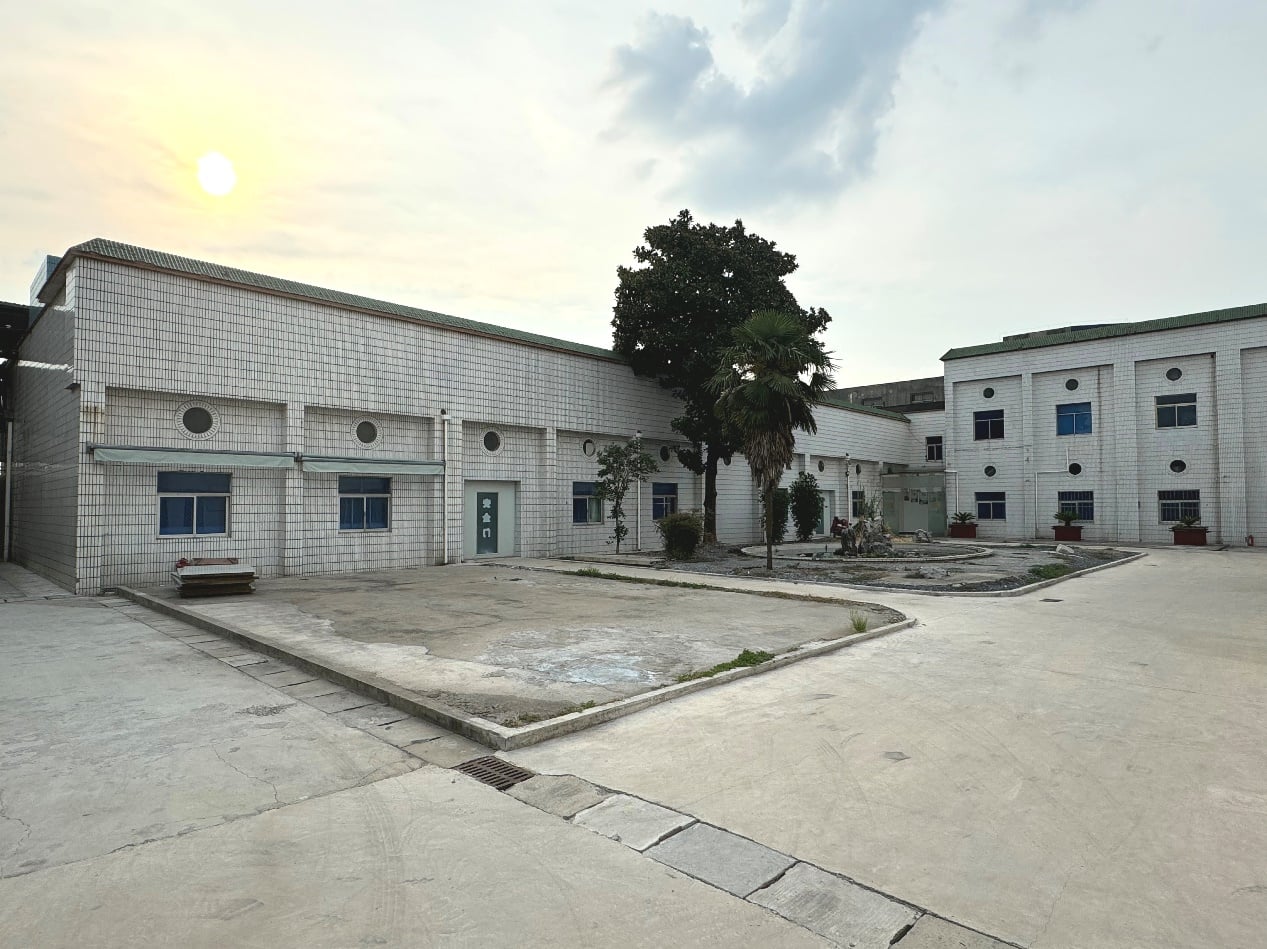
Always taking the tenet of creating high-quality medical equipment, caring for life and health, and providing customers with first-class products and service, our company have been constantly upgrading our existing products and developing new products.
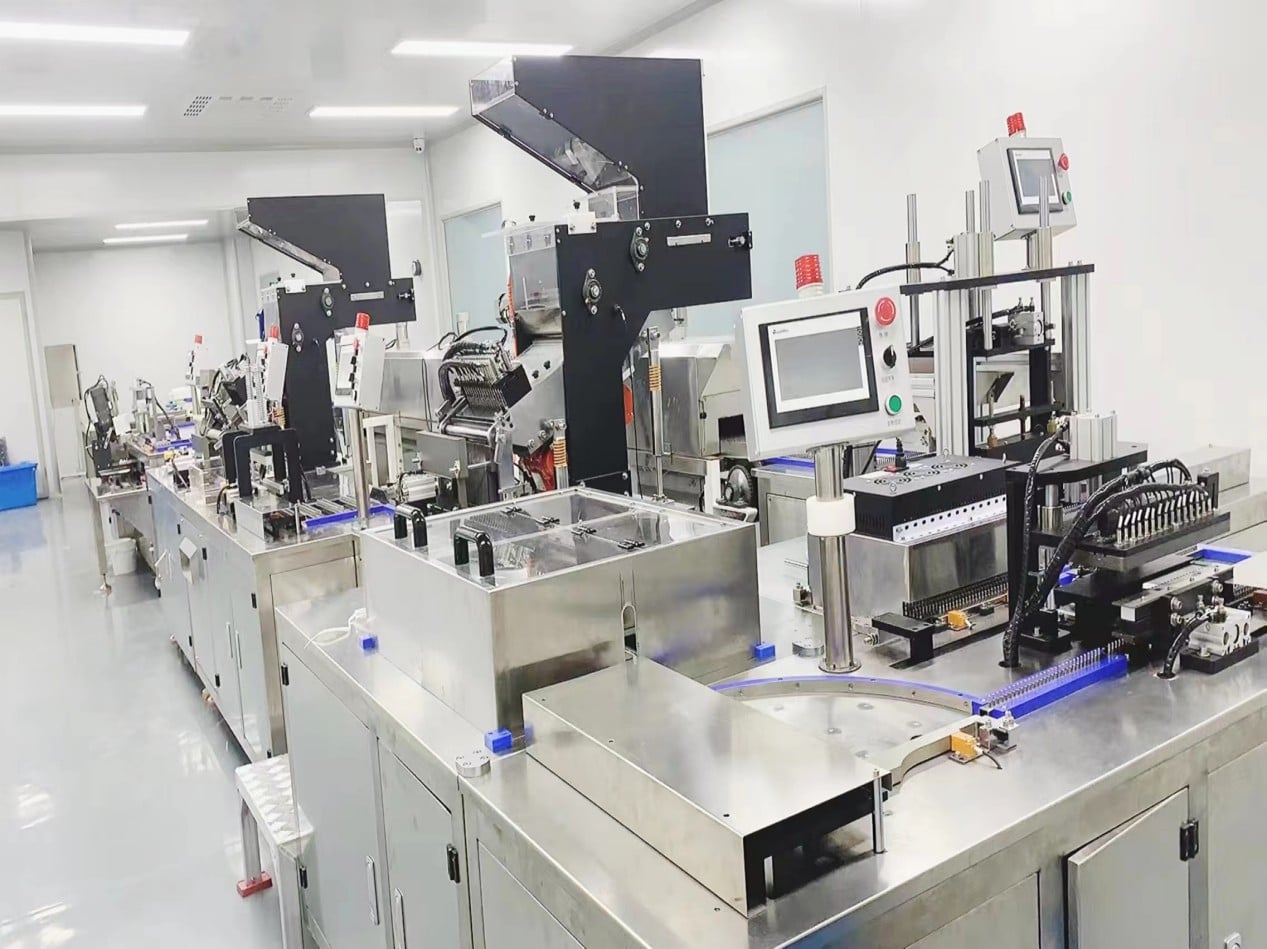
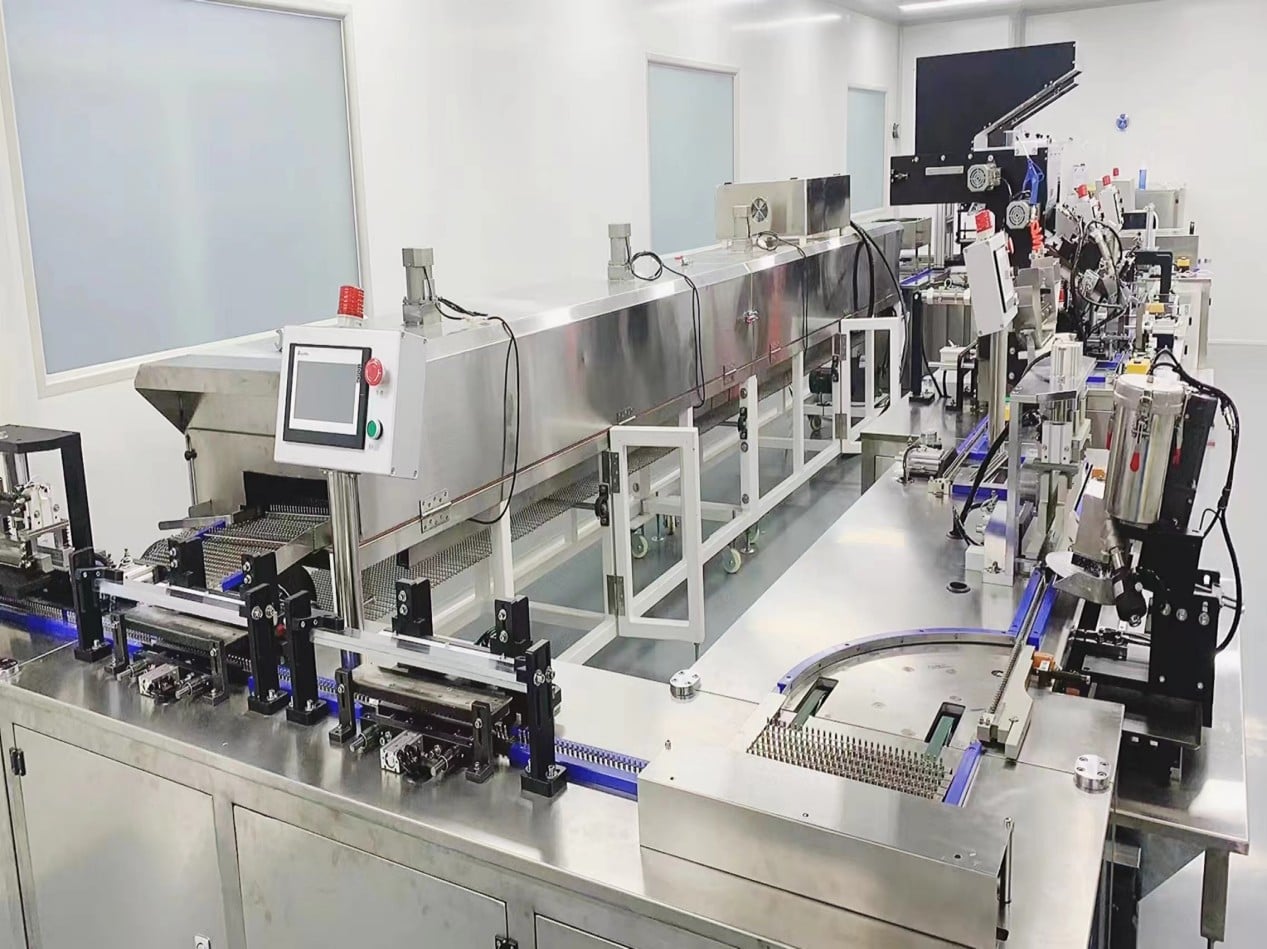
Yes. Shipments are consolidated and dispatched to Tolmachevo Airport connections, the Trans-Siberian rail corridor via Zabaikalsk, or Kazakhstan rail routes. Each consignment is packed for extreme continental conditions, with fragile housings braced, batteries classified under applicable transport rules, and Russian-language labelling prepared before departure.
Typical requirements include ISO 13485 quality-system evidence, CE certification where applicable, medical device registration documentation, Russian-language operating manuals and labelling, metrological certification for dosing-related devices, warranty statements, and EAC conformity documentation for EAEU circulation. We prepare these files at the factory stage so the interval between tender award and clinical use is as short as possible.
A quiet 5L VPSA unit generates oxygen on demand rather than drawing from cylinders. In a polyclinic, day-care unit or industrial first-aid post this removes refill dependency, reduces handling risk, and keeps oxygen available during the long winter when road transport windows narrow. It can operate as a primary source for outpatient oxygen therapy or as a backup to a central supply system.
Yes. Our medical-grade single-screw extrusion platform supports production of respiratory catheters, nasal cannulas, tracheal tubes and high-precision infusion tubing, and we work with regional partners on tooling, process validation and documentation. OEM branding, configuration changes and packaging localisation are all available within the ISO 13485 process-control framework.
Service is structured in three layers: a commissioning and operator-training package, a recommended spare-part kit sized to fleet volume, and a calibration and preventive-maintenance schedule with remote technical support. Consumable and wear-part lists are issued with the equipment so biomedical engineering departments can budget ahead rather than react to failures.
Yes. Our SCBA firefighting equipment with respiratory mask and air cylinder is designed for industrial safety and emergency response, and it is complemented by computer-controlled face-mask tightness testing equipment that produces the documented records occupational health audits require.
It is. Adjustable airflow resistance devices are used in pulmonology departments, post-discharge home programmes, sports performance laboratories and occupational health screening. Adjustable resistance makes the same device usable across a wide range of patient capabilities, which reduces the number of SKUs a clinic must stock.
Use the Send Inquiry Now button anywhere on this page. Share the target application, expected annual volume, required certifications and preferred delivery point, and we will return a configuration proposal with documentation, lead time and spare-part recommendations.
From interactive respiratory education to ICU ventilation, infection-resistant PVC components and self-contained breathing apparatus — these eight platforms complete the supply chain for hospitals, industrial sites, universities and veterinary clinics across the Siberian Federal District.
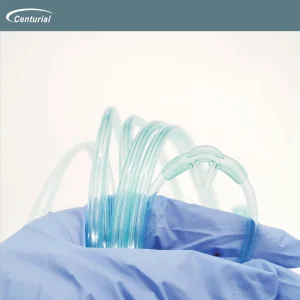
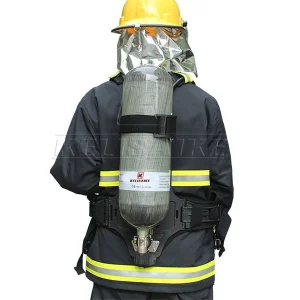
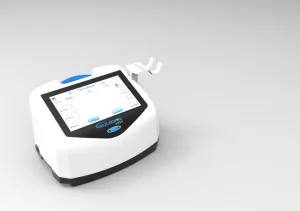
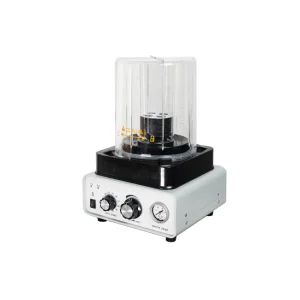
Whether you are equipping a regional ICU, standardising oxygen supply across a polyclinic network, protecting an industrial workforce, or setting up local production of respiratory tubing, our engineering and export team can prepare a configuration, documentation and lifecycle service proposal for your project.
Send Inquiry Now