Deweighting Gait Training and Evaluation Stroke Rehabilitation Equipment

Still deciding? Get samples of $ !
Request Sample

Product Description

📋

Basic Information

Model
A3
Theory
Motion Relearning
Certification
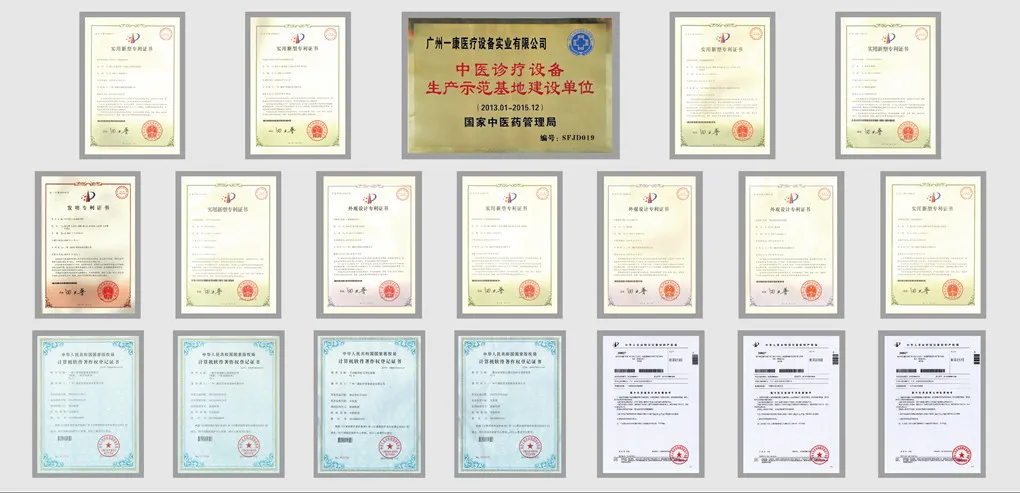
CE, ISO13485, CB
LCD Display
Included
Group
Adult
Application
Hospital, Rehab Centers
Patient Weight
Less Than 135kg
Patient Height
Less Than 200cm
Leg Length
Thigh: 34-46cm | Crus: 30-40cm
Joint Motion Angle
Hip: 30-50° | Knee: 50-80°
Training Speed
0.1 ~ 3.5km/H
Voltage
AC220V/50Hz
🤖

Gait Training and Assessment Robot

Gait Training Robot

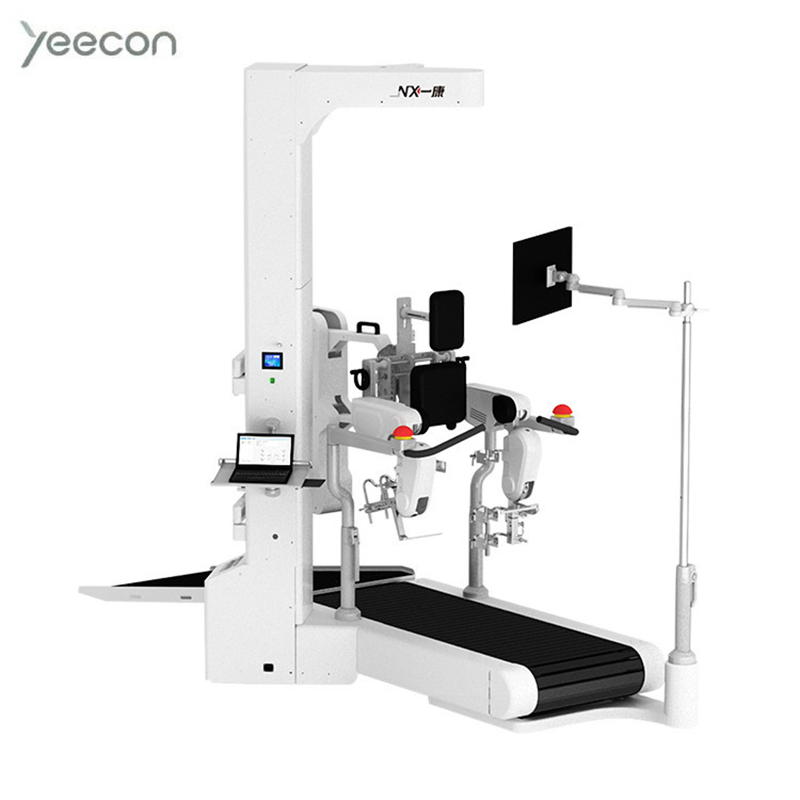
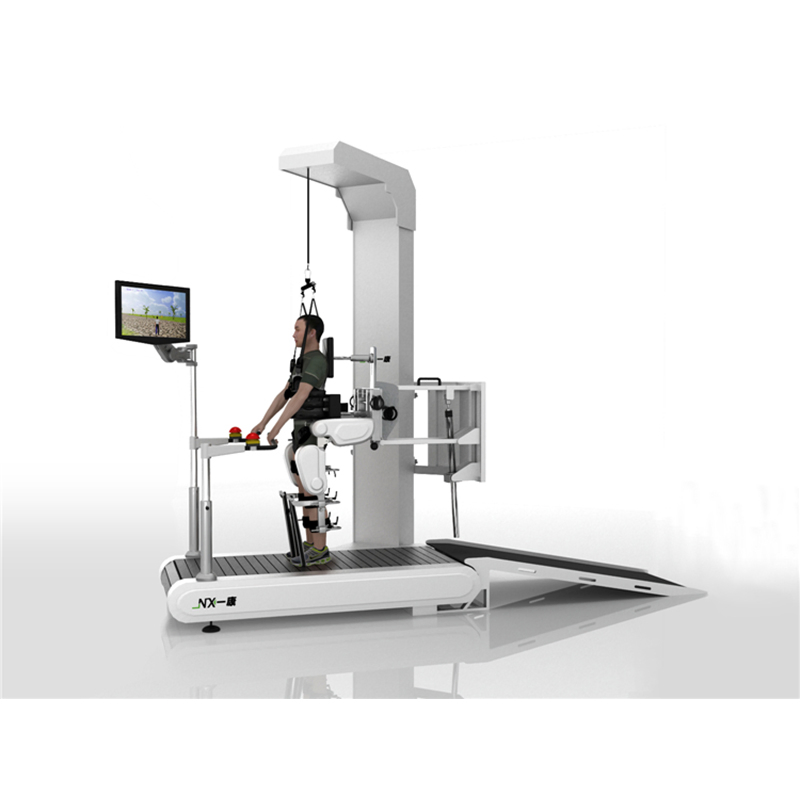
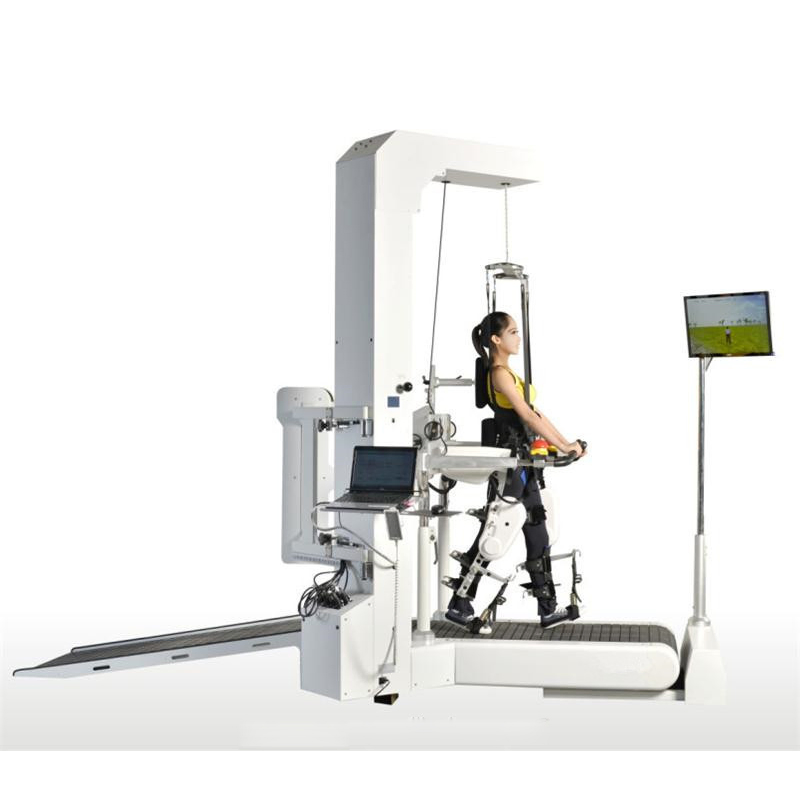
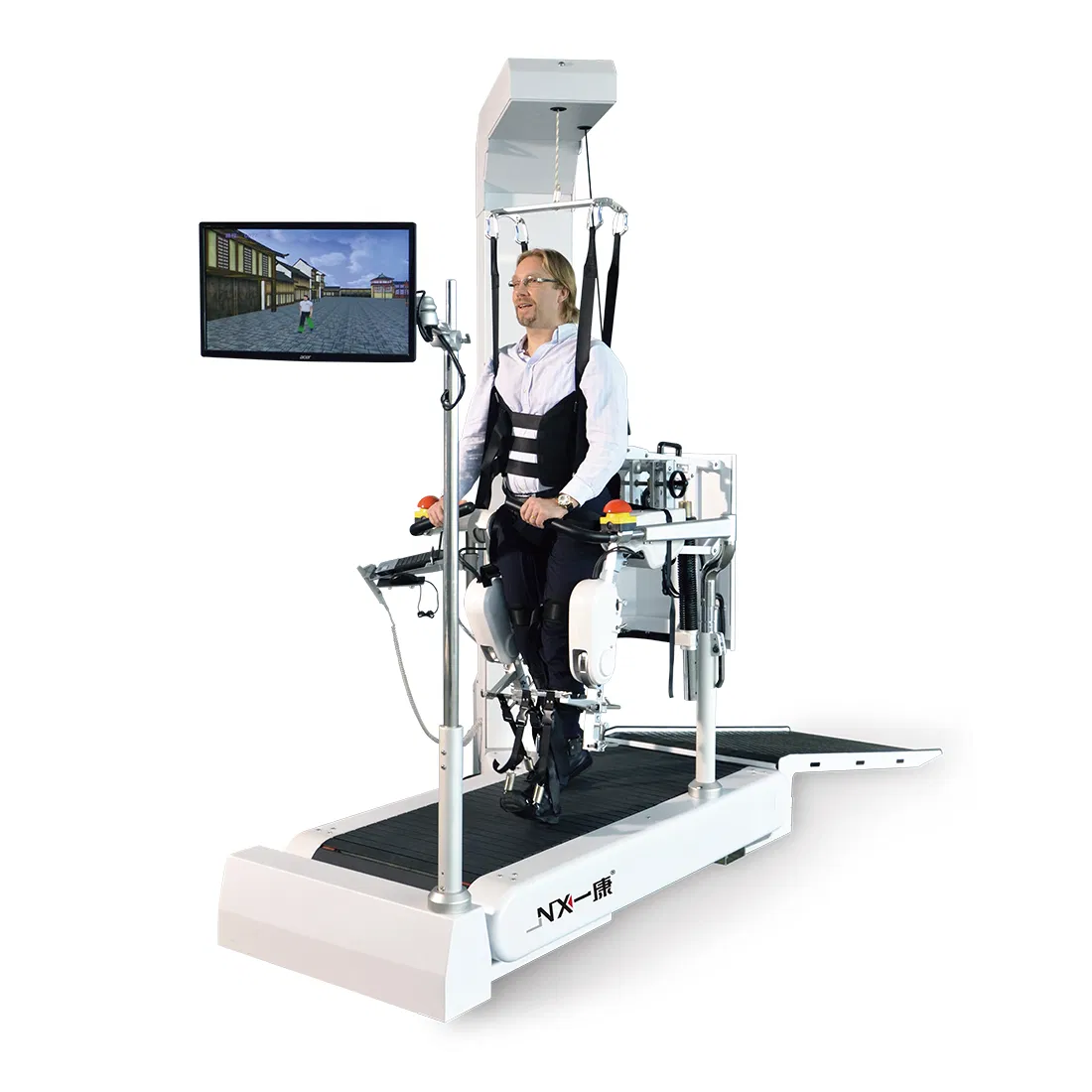
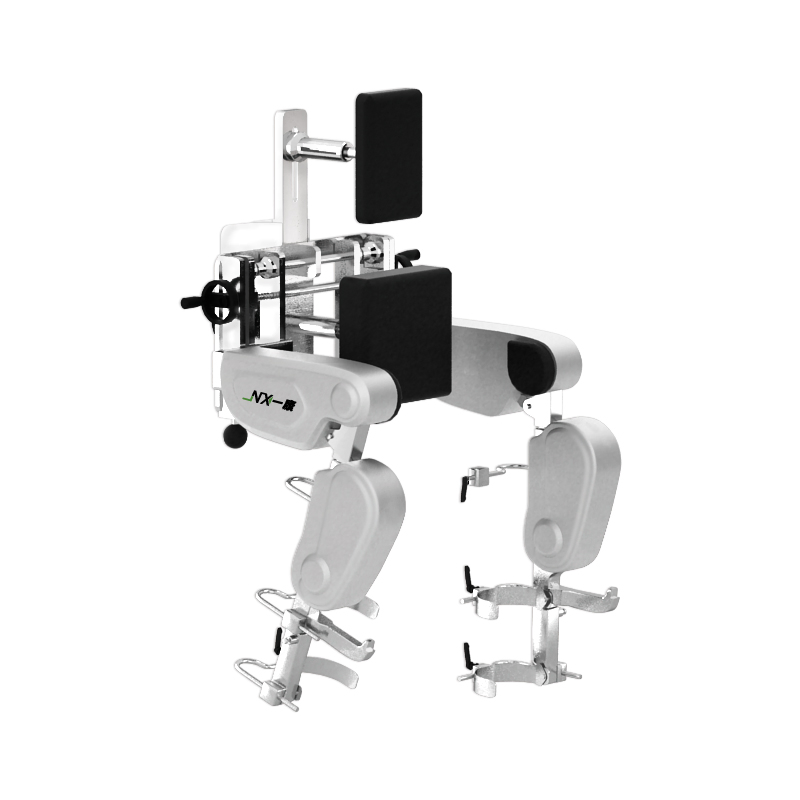
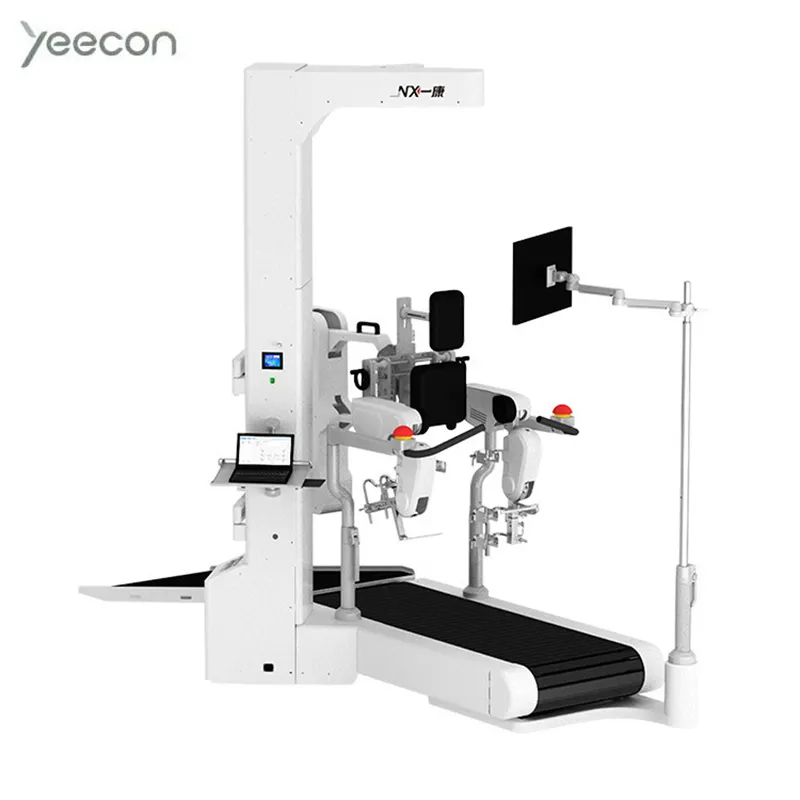
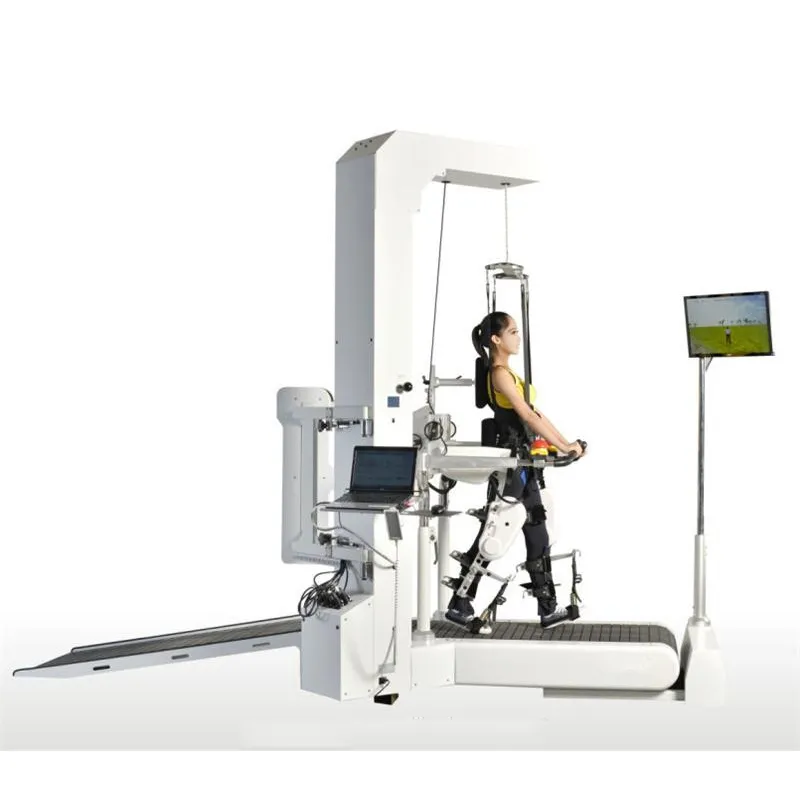
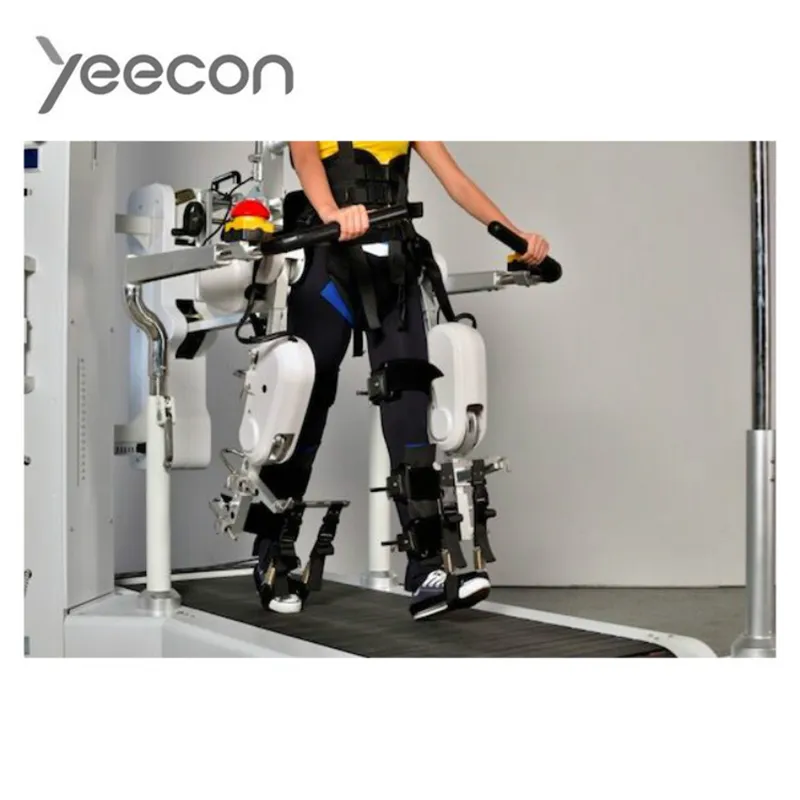
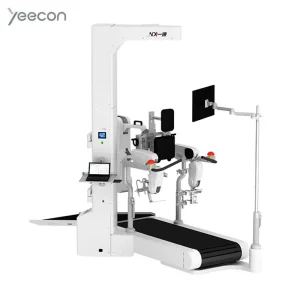
The gait training and assessment robot is a device for rehabilitation training for walking dysfunction. It adopts a computer control system and gait correction device to enable gait training. This system allows patients to strengthen their normal gait memory with repeated and fixed trajectory training in a straight stereo position.

By using this robotic system, patients can re-establish walking function areas in their brains and establish the correct walking mode. Furthermore, it effectively exercises muscles and joints related to walking, which is essential for rehabilitation.

Product NameGait Training & Assessment System
ModelA3
ApplicationHospitals, Rehabilitation Centers
Voltage/PowerAC 230V/50Hz | 500V/A
Training Speed0.1 ~ 3.5km/h
Joint ROMHip: 30~50° | Knee: 50~80°
Max Patient Specs135 Kg | 200 cm

Therapeutic Effects & Key Features

Therapy Effect
System View
  • Resume normal walking gait mode during early training phases.
  • Effectively inhibit and alleviate spasms and improve joint mobility.
  • Dynamic weight support to enhance proprioceptive input and maintain muscle strength.
  • Imported servo motors for precise control of movement angles and speed.
  • Active and passive training modes with adjustable guiding force.
  • Static and Dynamic support modes for easy patient transfer and center of gravity adjustment.
  • Virtual scene feedback training to enhance enthusiasm and recovery process.
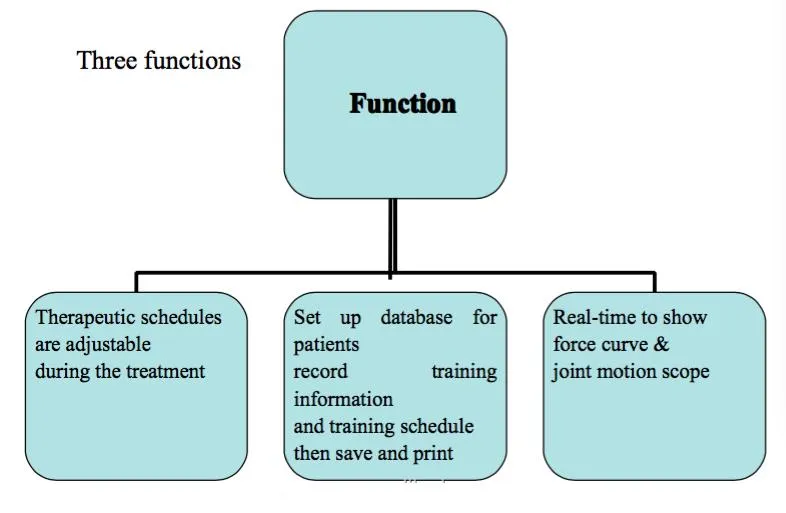
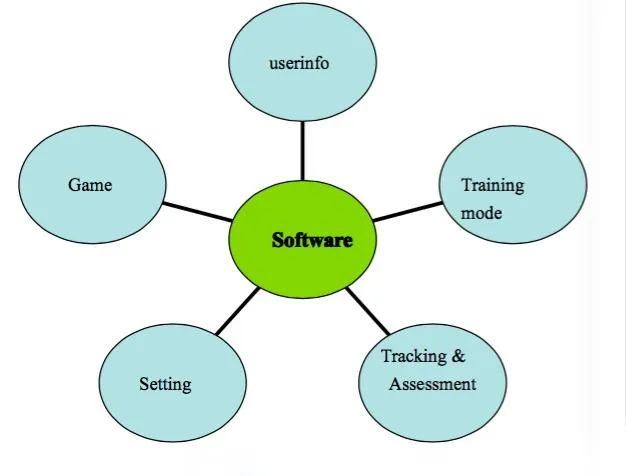
  • Comprehensive software database to record treatment plans and progress.
🏥

Target Indications

Apoplexy (Stroke)
Multiple Sclerosis (MS)
Cerebral Palsy (CP)
Parkinson's Disease
Spinal Cord Injury (SCI)
Traumatic Brain Injury (TBI)
Post-Prosthesis Surgery
Muscle Weakness / Hemiplegia
Rehab Application
Patient Training
Device Detail
🏢

Professional Capability

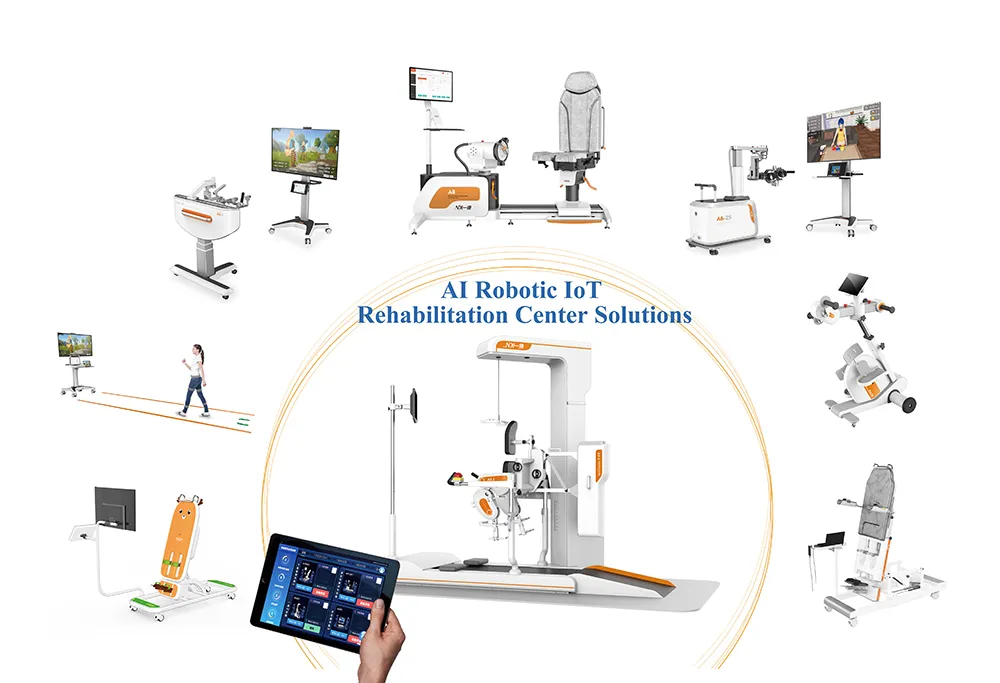
As a leading manufacturer of rehabilitation equipment since 2000, we specialize in independent research, development, and production. Our intelligent rehabilitation robotics series is at the forefront of the industry, covering the entire cycle of rehabilitation through physiotherapy, occupational therapy, and advanced robotic solutions.

Facility
Robotics
Certifications

Frequently Asked Questions

What is the primary function of the Gait Training Robot A3?
It is designed to help patients with walking dysfunction by using computer-controlled trajectories to re-establish normal gait patterns and brain-muscle coordination.
Which patients can benefit from this technology?
It is ideal for individuals recovering from stroke, spinal cord injuries, Parkinson's disease, cerebral palsy, and those needing post-operative lower limb rehabilitation.
How does the system ensure patient safety during training?
The system includes sensitive spasm detection and protection mechanisms, alongside a dual suspension system that supports the patient's weight and maintains stability.
Can the training intensity be adjusted?
Yes, the system offers both active and passive training modes with adjustable guiding forces and speeds ranging from 0.1km/h to 3.5km/h to suit different recovery stages.
What role does the virtual scene feedback play?
The virtual scene feedback training increases patient engagement, reduces the monotony of treatment, and provides real-time visual feedback to promote faster recovery.
Is it suitable for hospital-wide use?
Absolutely. Its versatile design and ability to handle patients up to 135kg make it a standard choice for hospitals and dedicated rehabilitation centers.

Related Products