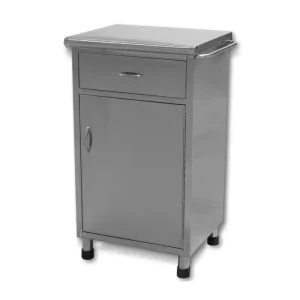
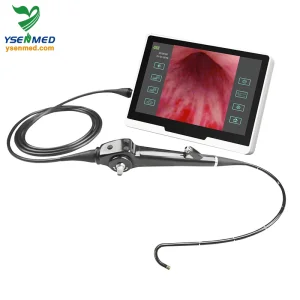
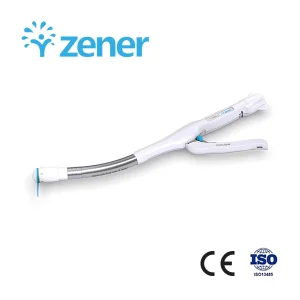
Explore our premium clinical medical instruments designed for professional operating theaters and remote diagnostic centers
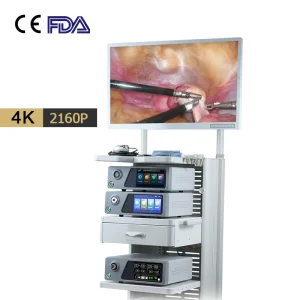
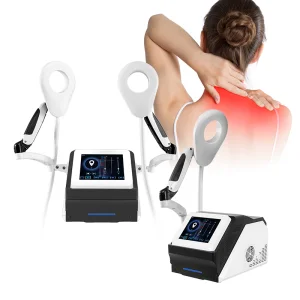
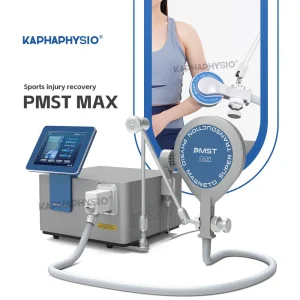
As a key player in China's premium healthcare industrial sector, Qingdao MDV Medical Appliances Co., Ltd. represents the cutting edge of domestic manufacturing capability. We specialize in the R&D, manufacturing, and distribution of anesthetic medical solutions, traditional acupuncture products, micro-interventional tools, and precision injection systems. Through our modern manufacturing processes, we continuously upgrade product structures to serve global clinical demands.
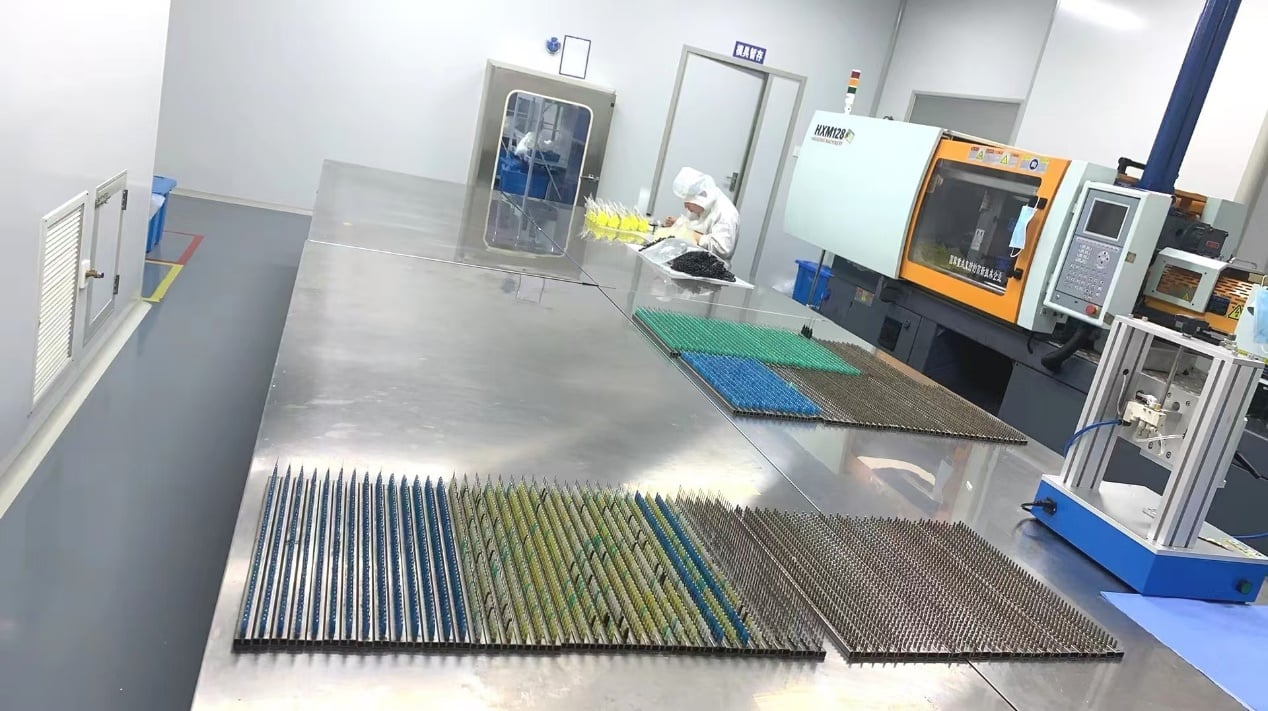
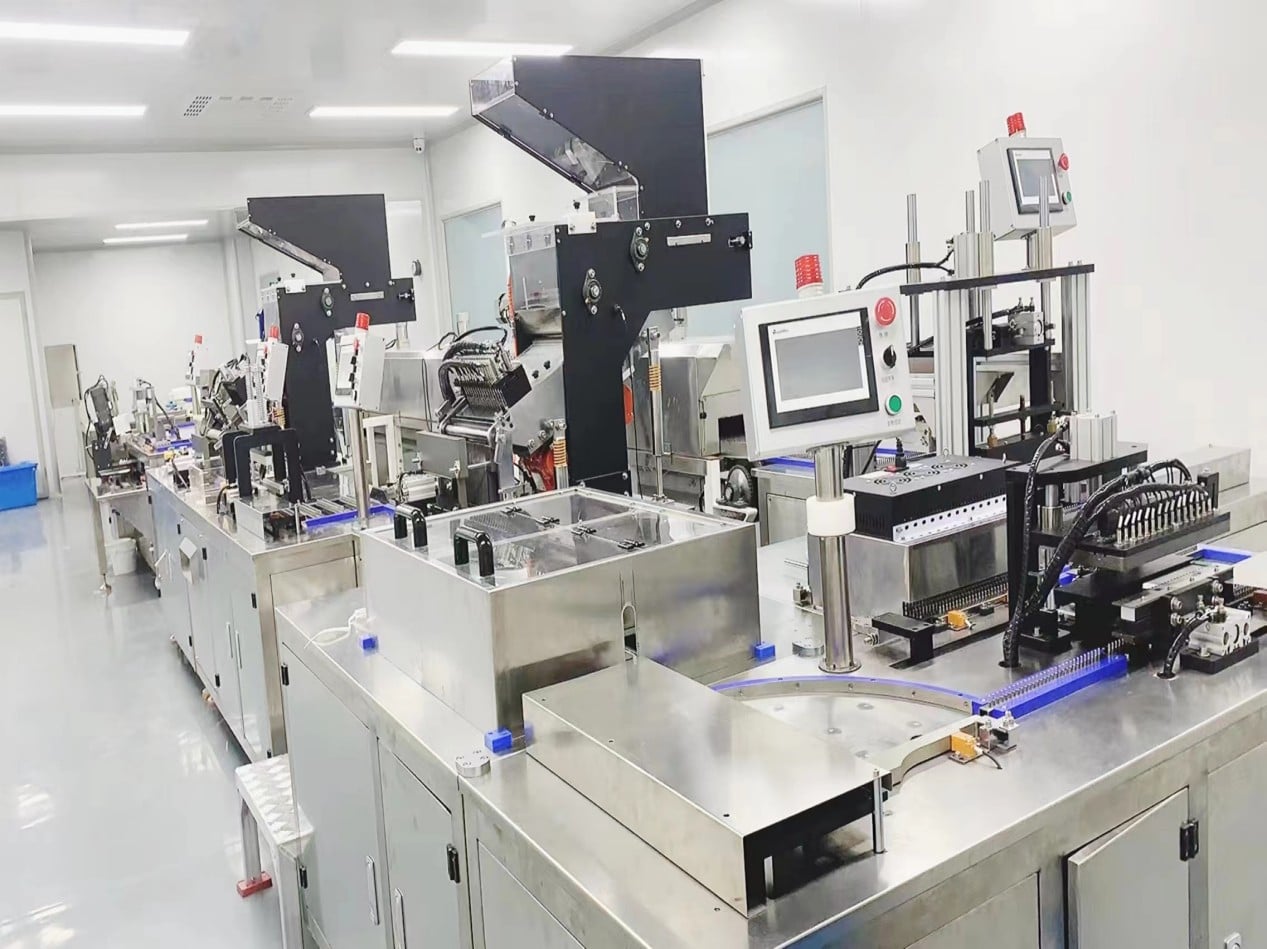
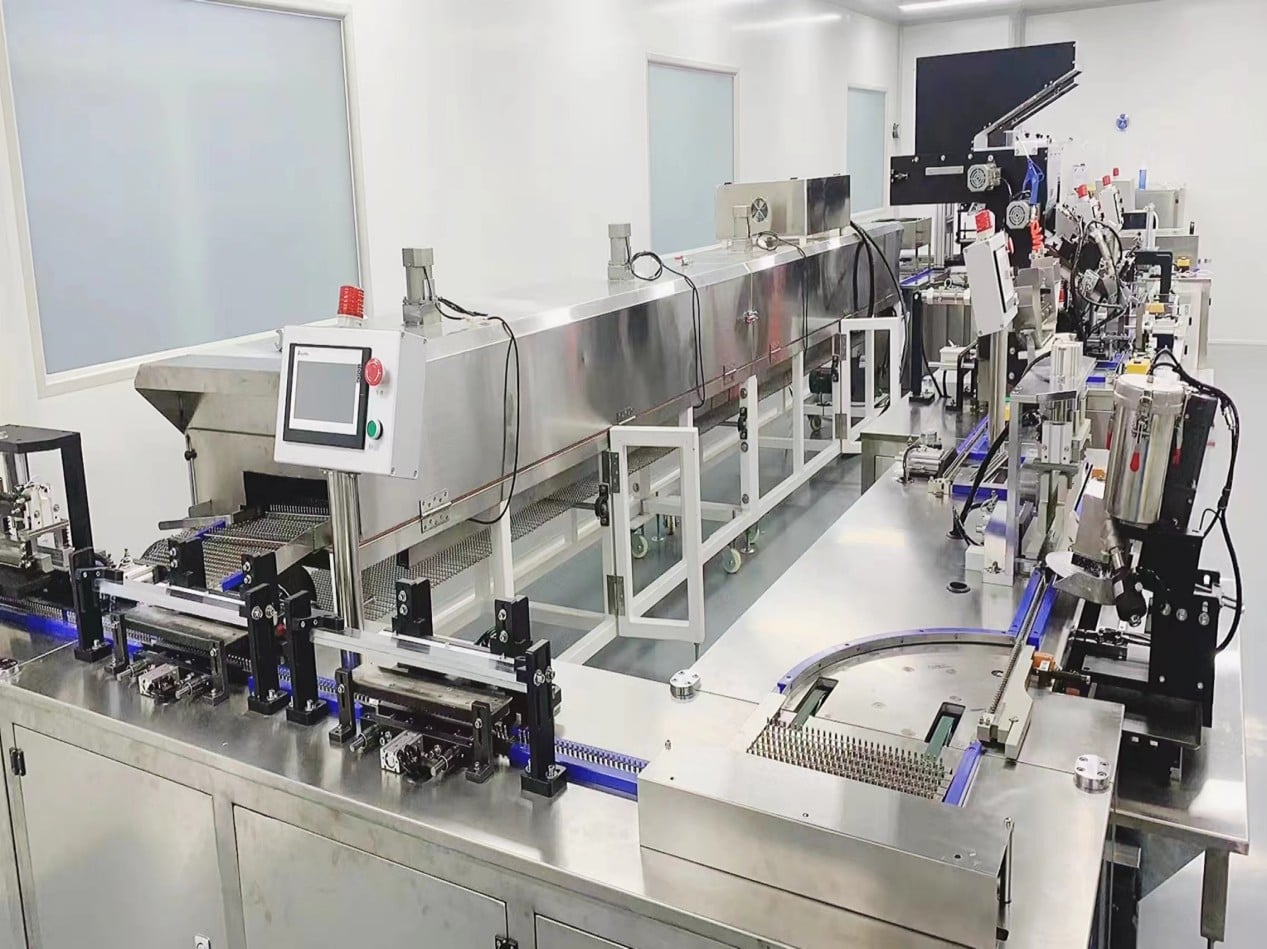
Our operation features comprehensive ISO 13485 quality system certification, affirming our capacity to supply regulated markets. By deploying cleanroom infrastructure and automated assembly systems, we supply critical medical units with reliable consumables, surgical instruments, and rehabilitation therapeutic hardware.
Analyzing key market dynamics, international infrastructure demands, and the shift to intelligent clinical setups
The global telemedicine market is seeing rapid growth due to the rising prevalence of chronic conditions and the demand for decentralized medical care. Systems are evolving from video consults into integrated networks connecting diagnostic equipment, endoscope modules, and therapy devices with cloud platforms.
China is a top supplier of precision medical hardware. Its strong supply chain integrates mechanical hardware, optical modules, software, and injection molding. Manufacturers can output standard-compliant endoscope rigs, orthopedic systems, and diagnostics at scale.
Expanding globally requires compliance with safety protocols. Reliable suppliers now prioritize international standards like CE, ISO 13485, and FDA guidelines, ensuring that remote diagnostic hardware meets clinical accuracy and safety requirements.
How the combination of IoT, AI-assisted diagnosis, and precision hardware shapes the future of medicine
Integrating medical equipment like endoscope setups and patient monitors via standardized interfaces (HL7, DICOM) ensures direct electronic health record (EHR) data flows, minimizing manual entry errors.
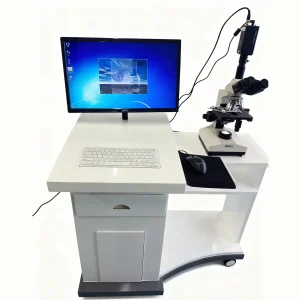
Modern diagnostic devices, such as digital microscopy systems, run local AI models. These models identify cellular anomalies, leukocyte counts, and pathogens in real time, alerting remote clinicians to key findings.
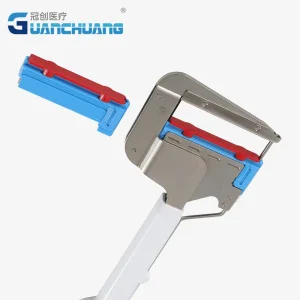
High-resolution endoscope cameras and surgical staplers are moving toward robotic automation. Combined with 5G connectivity, this allows specialists to guide or perform procedures from miles away.
Tailored deployment scenarios where telemedicine and advanced medical devices improve clinical workflows
Connecting regional health clinics with urban medical centers. Local clinicians use digital diagnostic devices to capture medical data and transmit the images to remote specialists for immediate evaluation.
Deploying emergency kits with compact orthopedics, portable inhalation units, and mobile diagnostic monitors. Field teams can stabilize patients and share real-time physiological metrics with critical care teams.
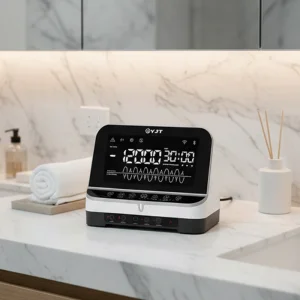
Transitioning therapy devices, like magnetic pain management and home inhalation systems, into connected patient setups. These platforms log compliance and therapeutic progress, notifying clinics of issues.
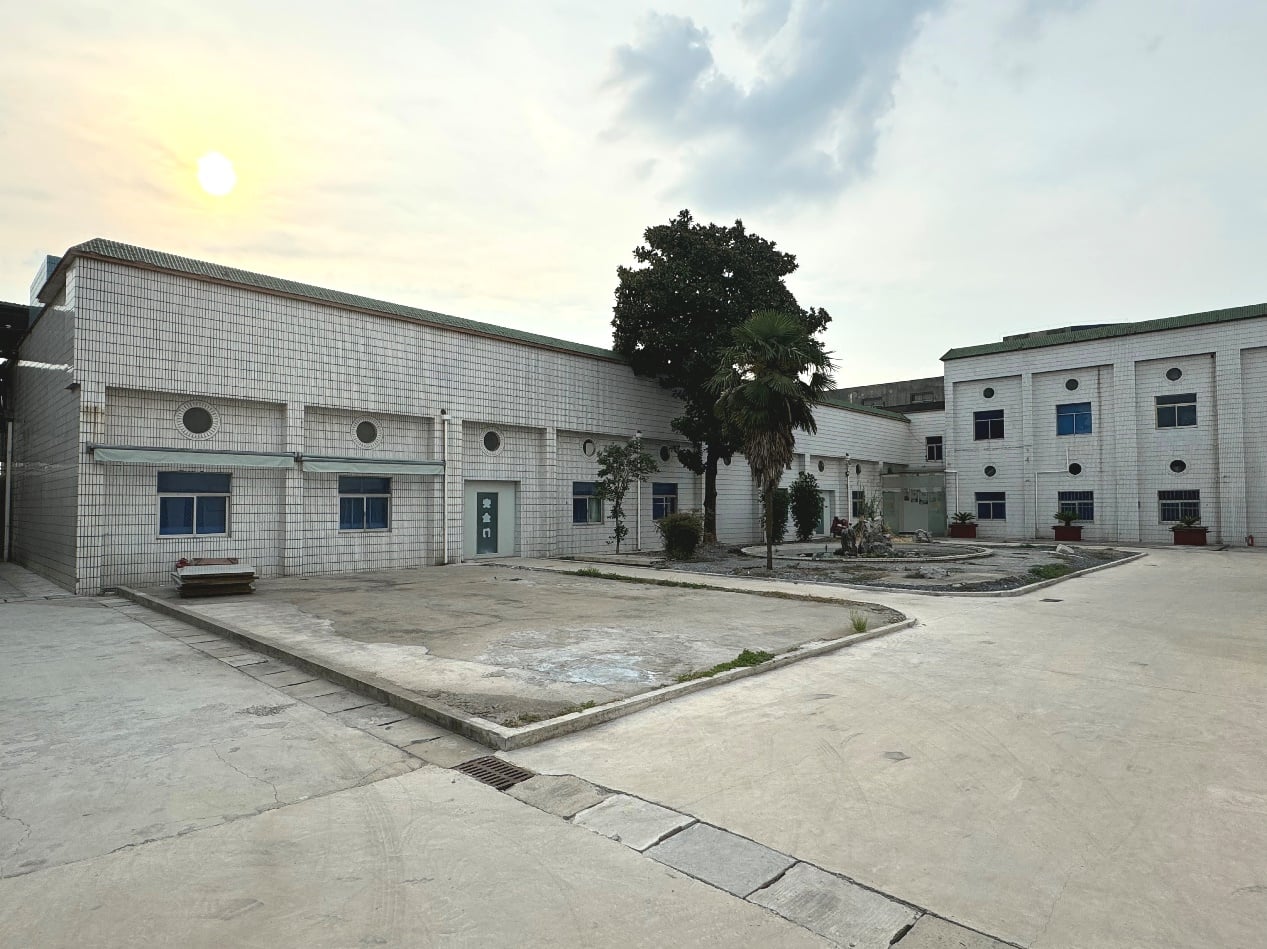
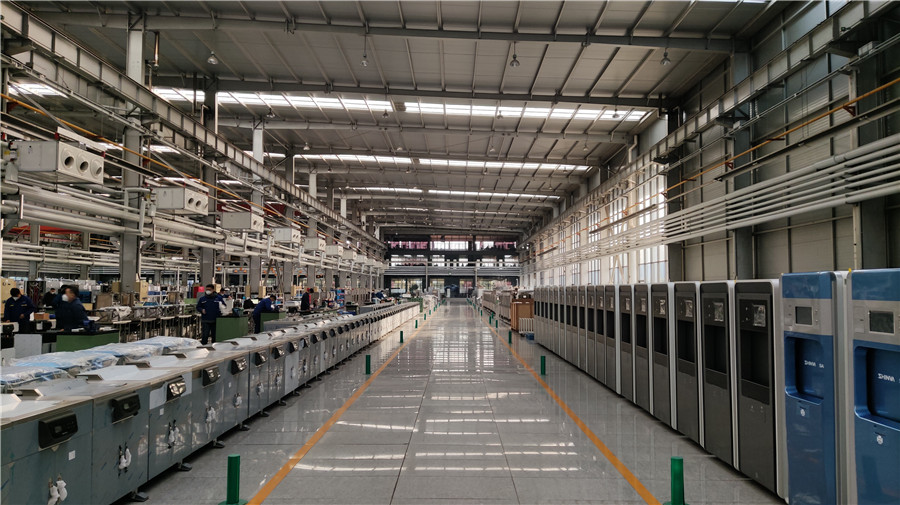
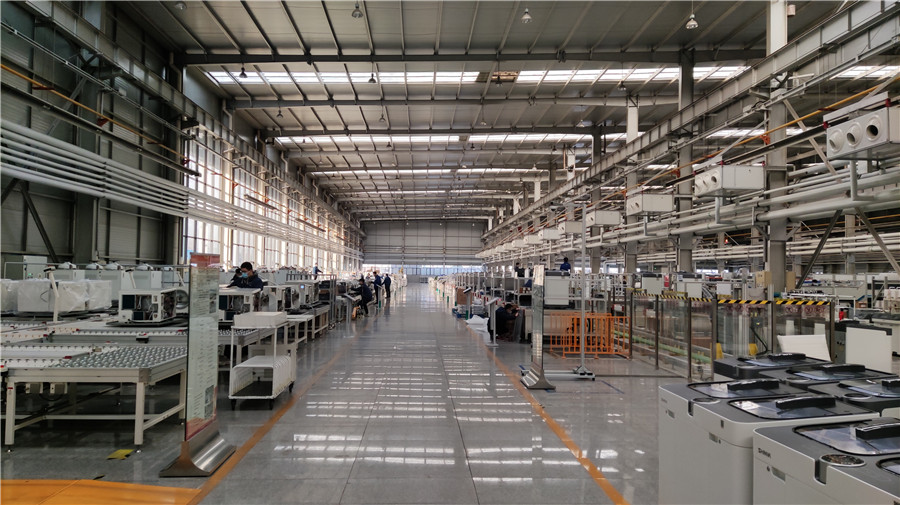
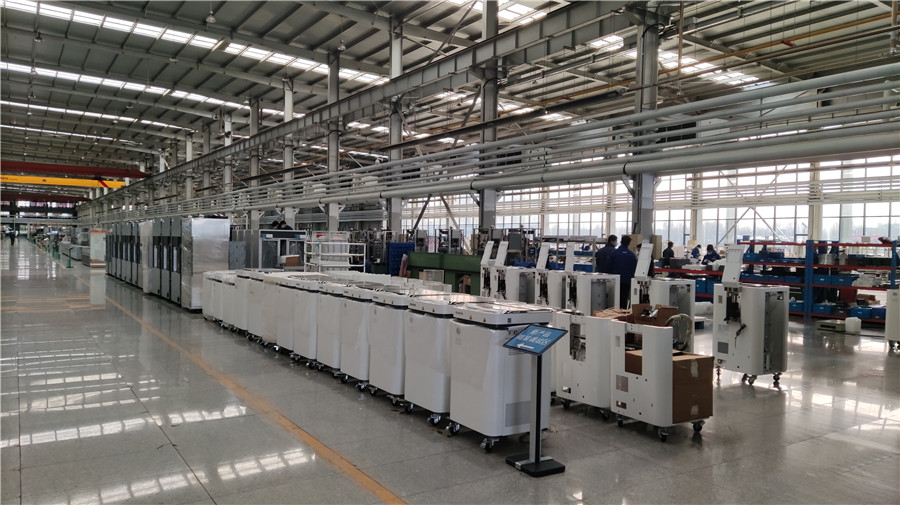
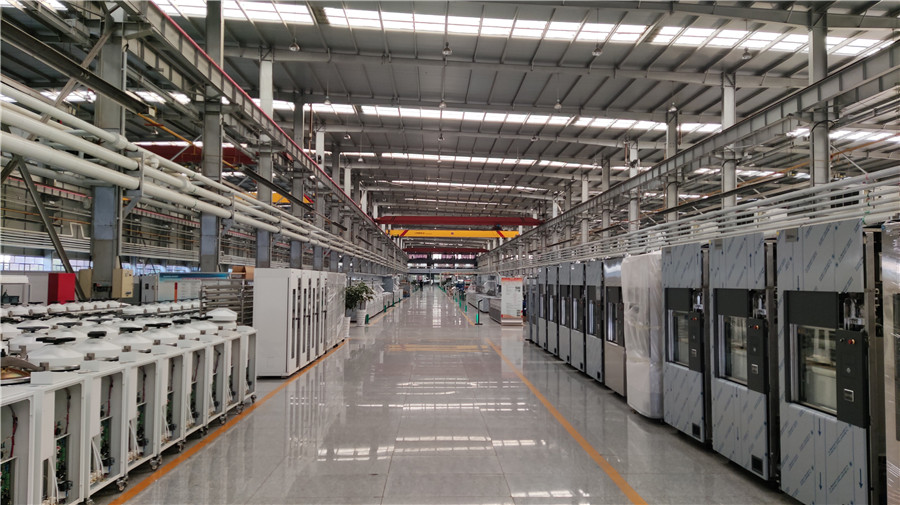
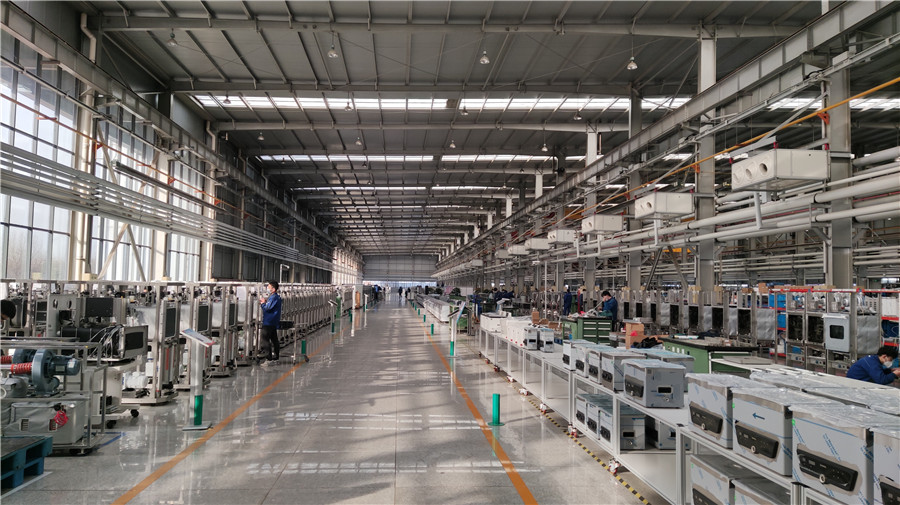
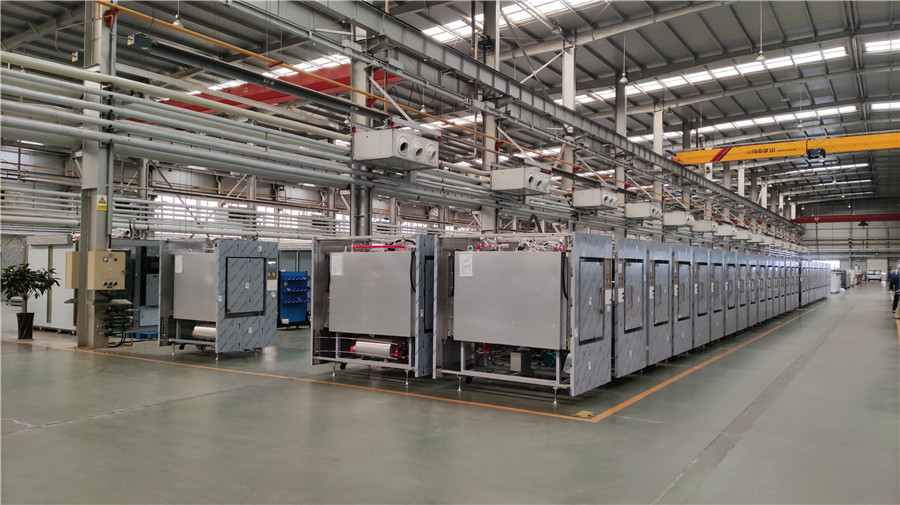
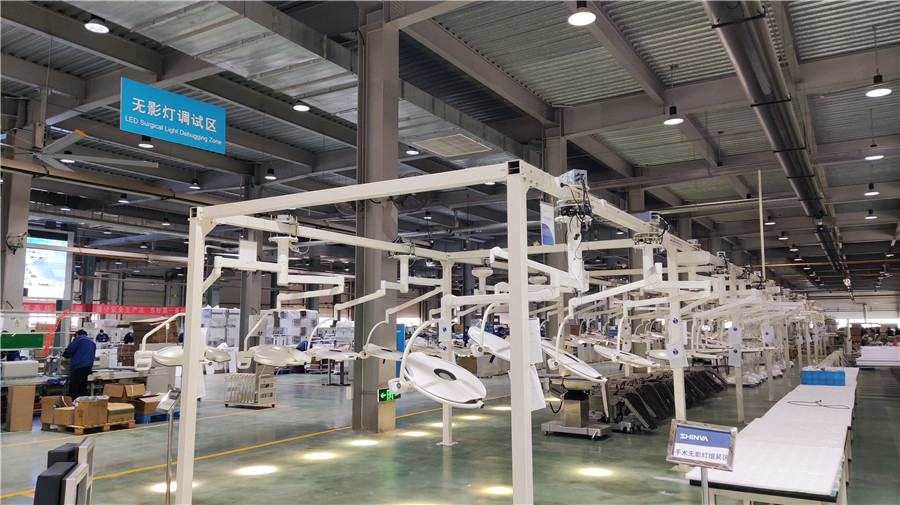
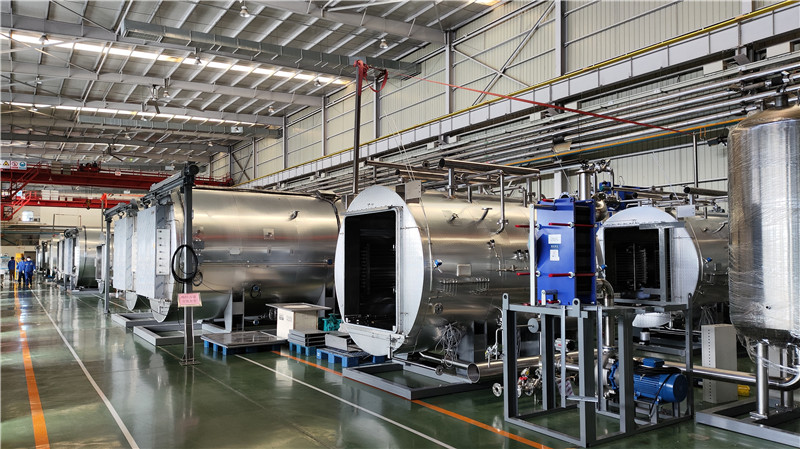
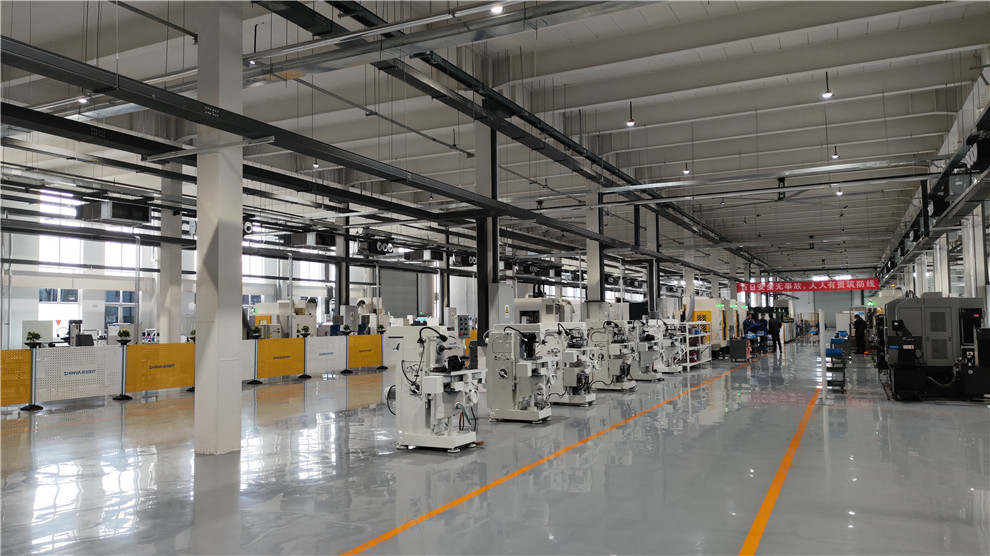
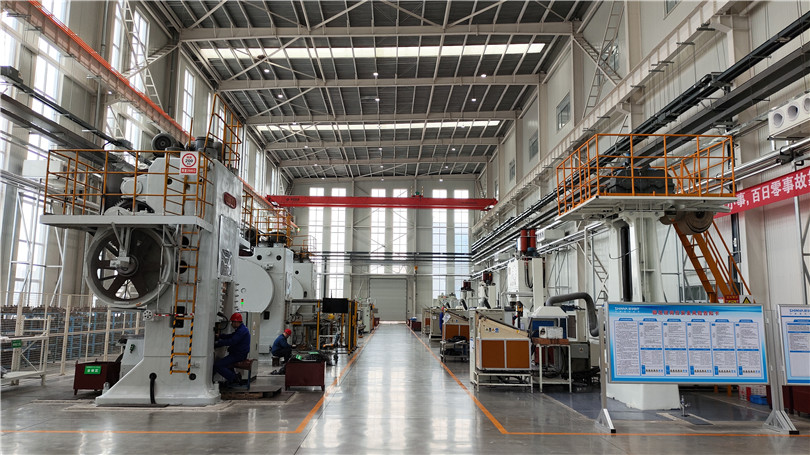
Inside our modern facility: where cleanroom operations, testing labs, and high-performance equipment meet
Answering common technical, regulatory, and logistics questions about sourcing medical hardware from China
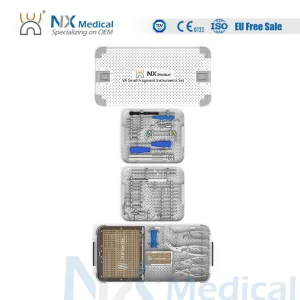
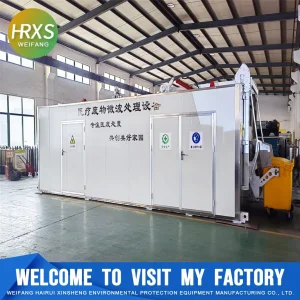
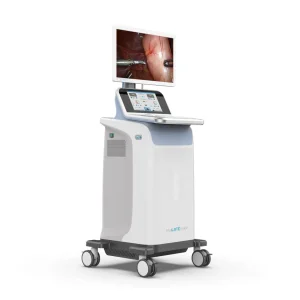
Explore our range of surgical instruments, treatment systems, ward furniture, and clinical waste disposal options
 MDV Medical