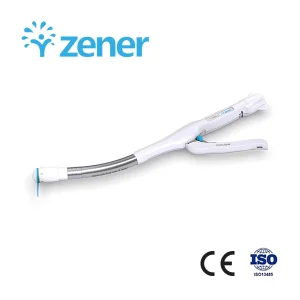
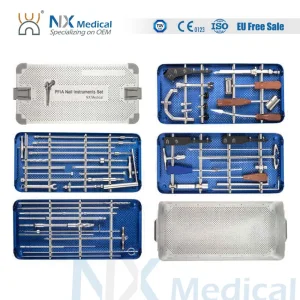
High-precision medical instruments designed to align with Malabo & Bata hospital specifications and international sterilization protocols.

Equatorial Guinea has embarked on an ambitious national healthcare modernisation roadmap under its "Horizon 2035" agenda. Spearheaded by the Ministry of Health and Social Welfare (MINSABS), the government is driving substantial investments to upgrade critical regional referral hospitals, including the Hospital Regional de Bata, Hospital General de Malabo, and the newly established clinics in the administrative capital, Ciudad de la Paz.
This macro-level infrastructure upgrade has shifted the demand curve from basic medical consumables to highly specialized, clinical-grade surgical instruments. Orthopedic surgery, neurosurgery, trauma intervention, and advanced laparoscopy have become major focal areas. To perform these delicate surgeries safely, local institutions must procure instruments that withstand extreme reuse cycles, autoclave sterilization, and severe environmental humidity typical of the Gulf of Guinea.
Furthermore, the growth of the local oil and gas industrial sectors in Malabo has led to an increased focus on industrial medicine and trauma response units. Having reliable access to broken nail removers, external fixators, and orthopedic locking plates is critical for minimizing patient morbidity and ensuring high recovery success rates within regional trauma wards.
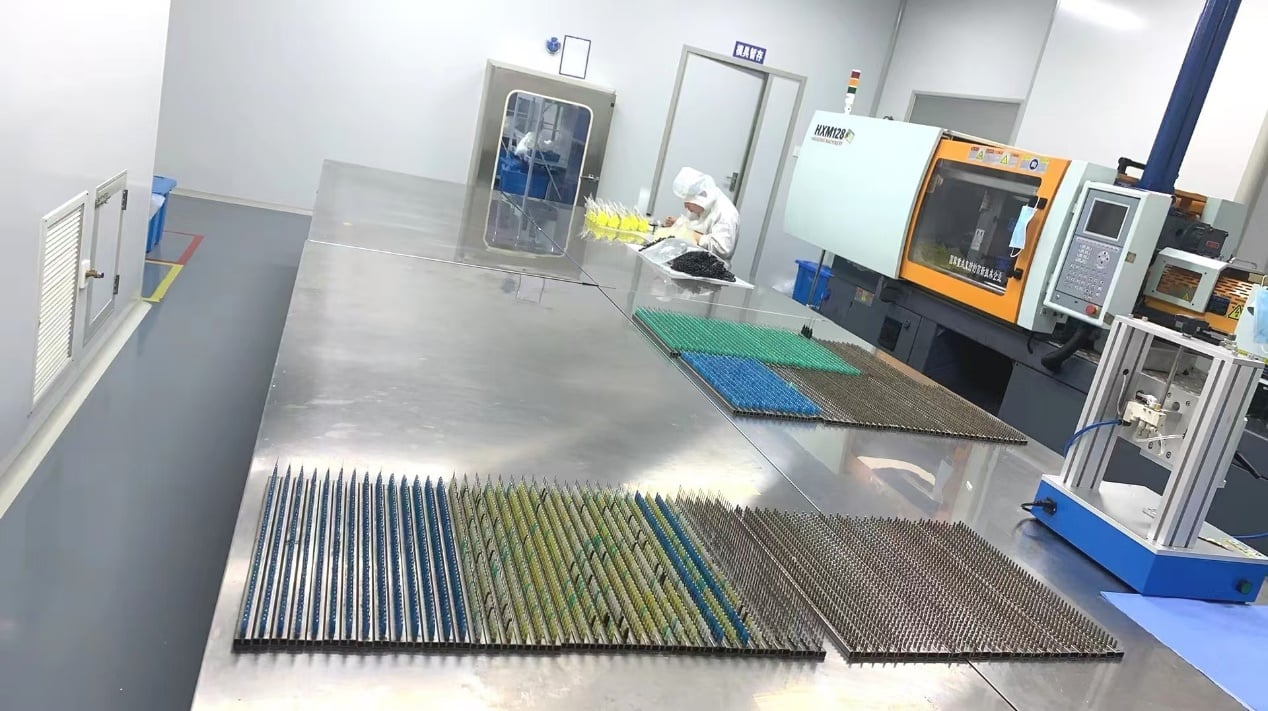
Underpinning our manufacturing with medical metallurgy, precision tolerances, and strict biocompatibility validation.
We source only high-grade medical stainless steels (AISI 304, AISI 316L, 420 Mod) and titanium alloys (Ti-6Al-4V ELI). These materials offer superior resistance to corrosion under the humid West African climate and long-term durability through repeated steam sterilization cycles.
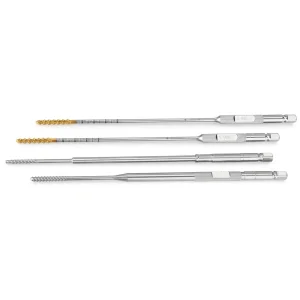
Our orthopedic drills and spinal instruments are processed using multi-axis CNC Swiss machining, maintaining dimensional tolerances of less than ±5 microns. This ensures perfect locking screw alignment during trauma reconstruction surgeries in Bata hospitals.
All surgical tools undergo comprehensive validation tests, including cytotoxicity testing (ISO 10993-5), sensitization testing (ISO 10993-10), and systemic toxicity assays, guaranteeing complete safety for the patients of Equatorial Guinea.
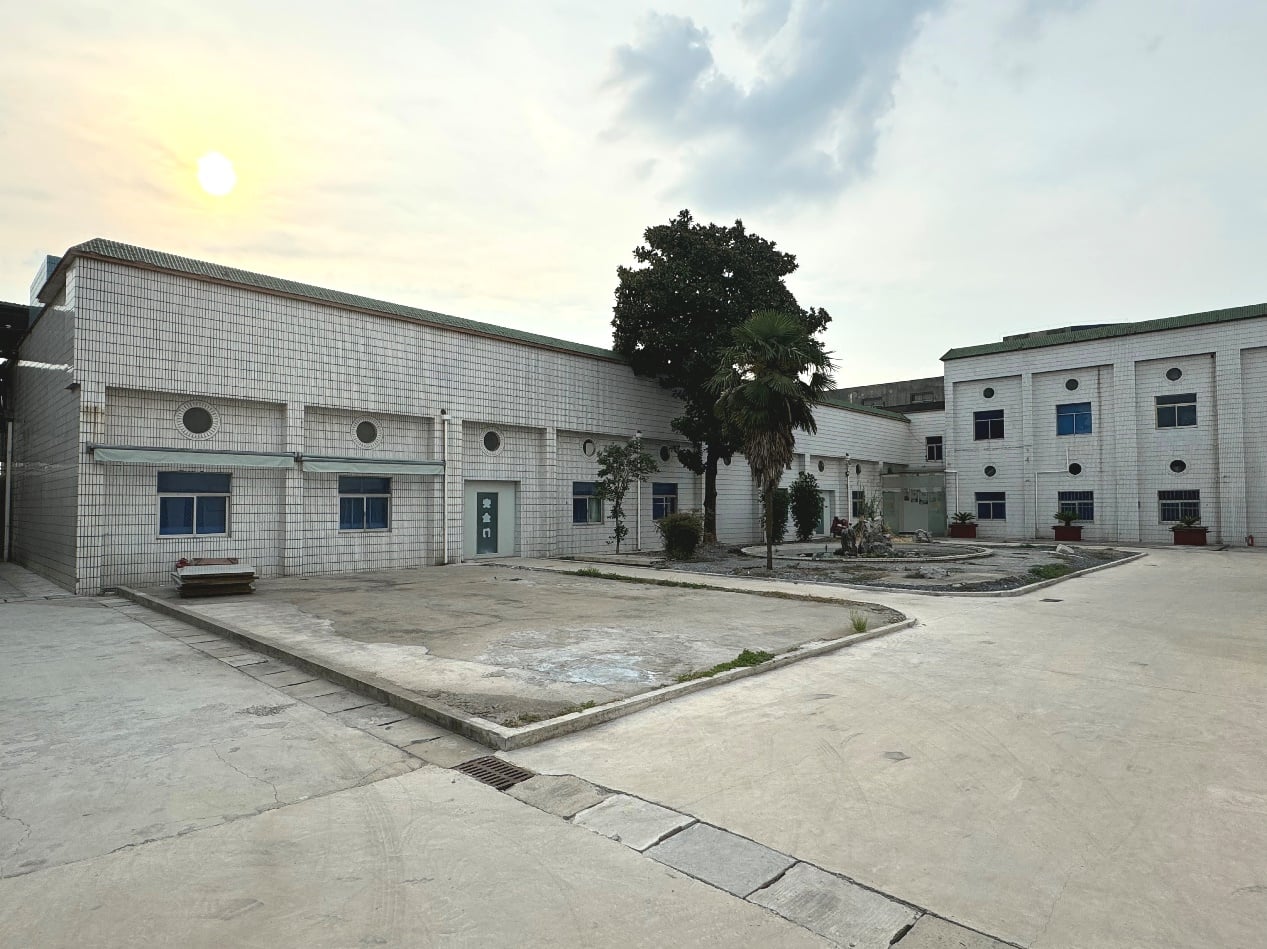
Qingdao MDV Medical Appliances Co., Ltd. stands as a premier modern manufacturer specialized in the research, development, and global distribution of orthopedic trauma systems, anesthesia medical tools, and sterile intervention equipment. Guided by international standardization, our facility utilizes advanced production principles to ensure consistent supply chain resiliency for public and private healthcare procurement agencies in Equatorial Guinea.
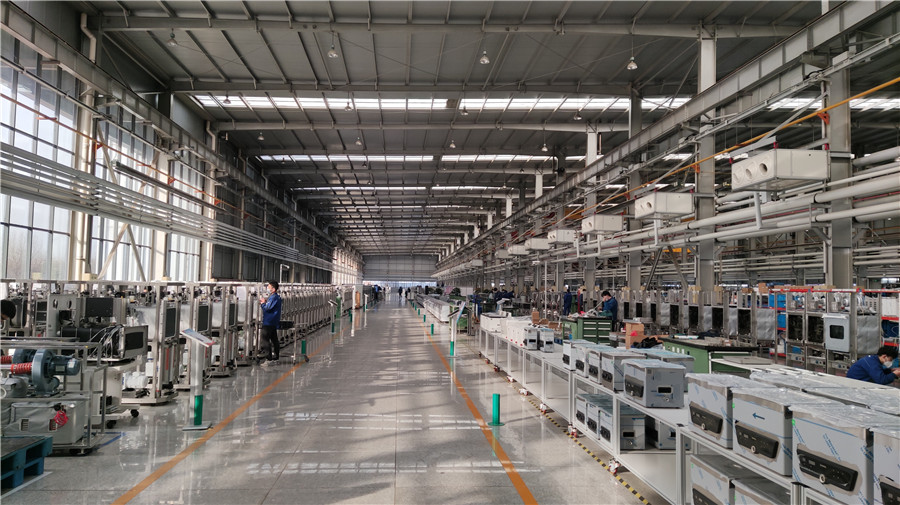
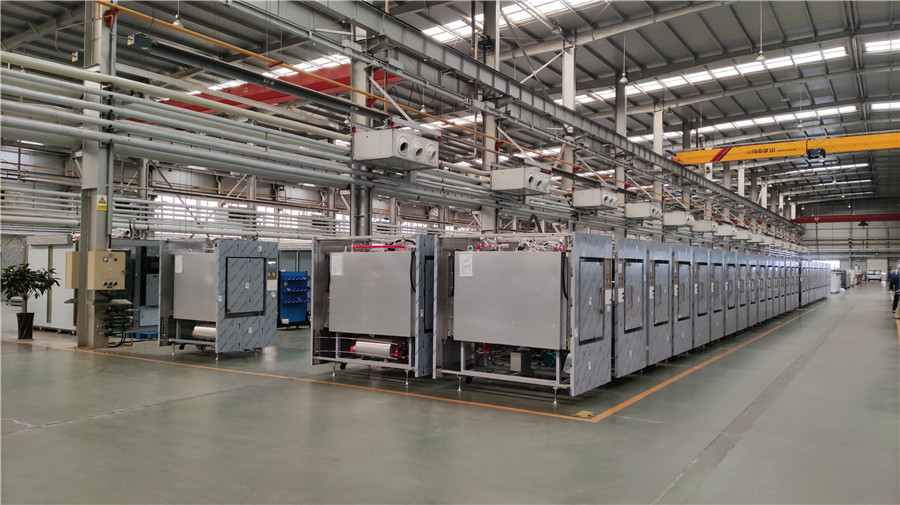
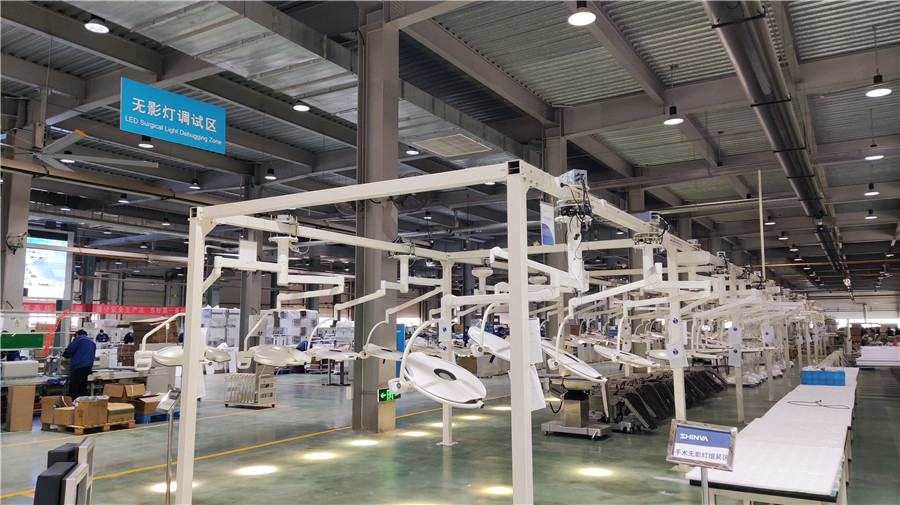
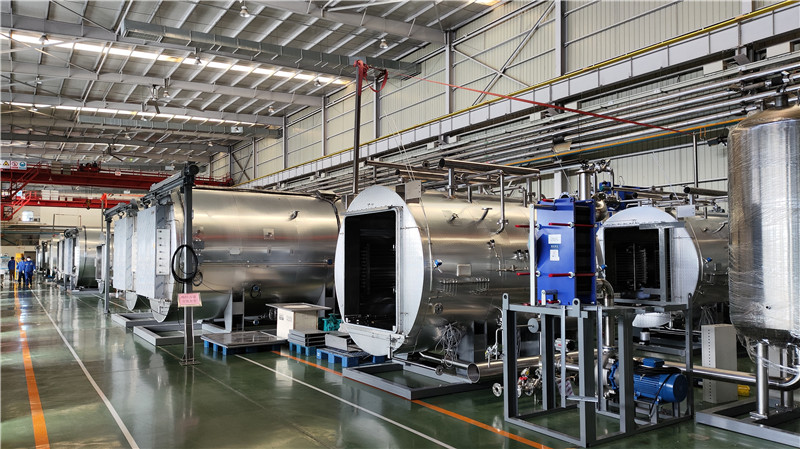
Spanning an expansive footprint of 6,600 square meters, our facility includes a state-of-the-art 1,500 square meter Class 100,000 cleanroom and a dedicated 200 square meter quality control inspection center. From raw material input to the final packaging stage, every step is rigorously monitored in accordance with our certified ISO 13485 quality management system.
By leveraging an efficient 50-person specialized production, R&D, and quality control team, we have successfully optimized our processing pipelines. This allows us to handle large-scale custom hospital procurement orders while maintaining short lead times and robust shipping safety to West African ports.
Bridging the gap between strict global regulatory standards and localized healthcare requirements in Malabo and Bata.
Procuring surgical instruments in Equatorial Guinea requires navigating specific regulatory, logistical, and climatic challenges. Importers must comply with the guidelines set forth by the Ministry of Health and Social Welfare (MINSABS). Our documentation package includes complete CE certification, ISO 13485 certification, raw material certificates of conformity, and detailed sterilization validation reports (EO/Autoclave).
To support local distributors and hospital technicians, we offer comprehensive localized support. This includes providing detailed technical manuals in Spanish (the official language of Equatorial Guinea), training modules for central sterile services departments (CSSD), and a robust warranty program. Our macro-level supply chain solution encompasses sea freight logistics via the Port of Malabo and Port of Bata, as well as rapid air freight solutions via Malabo International Airport (SSG), ensuring that emergency surgical sets reach healthcare facilities without delays.
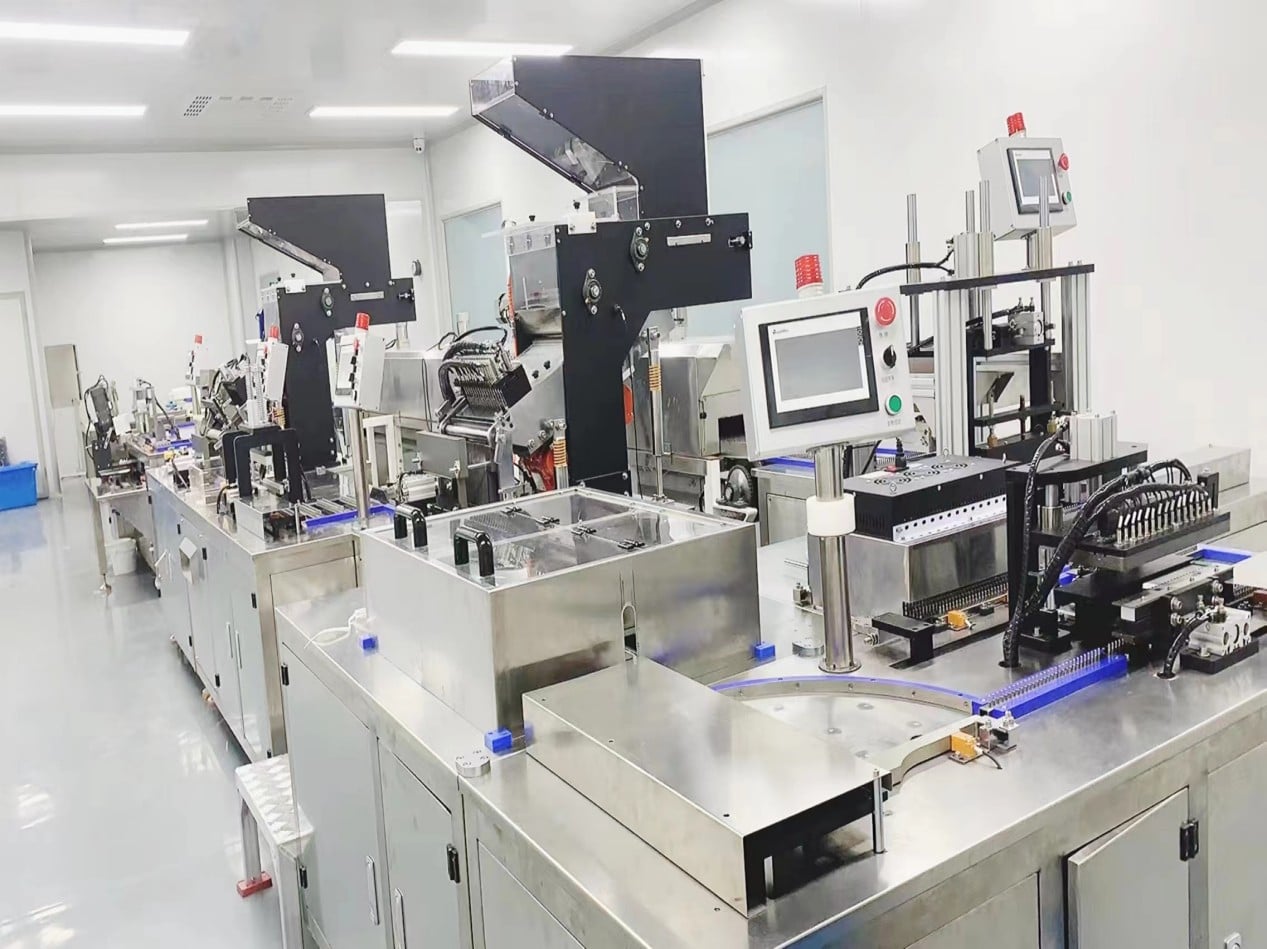
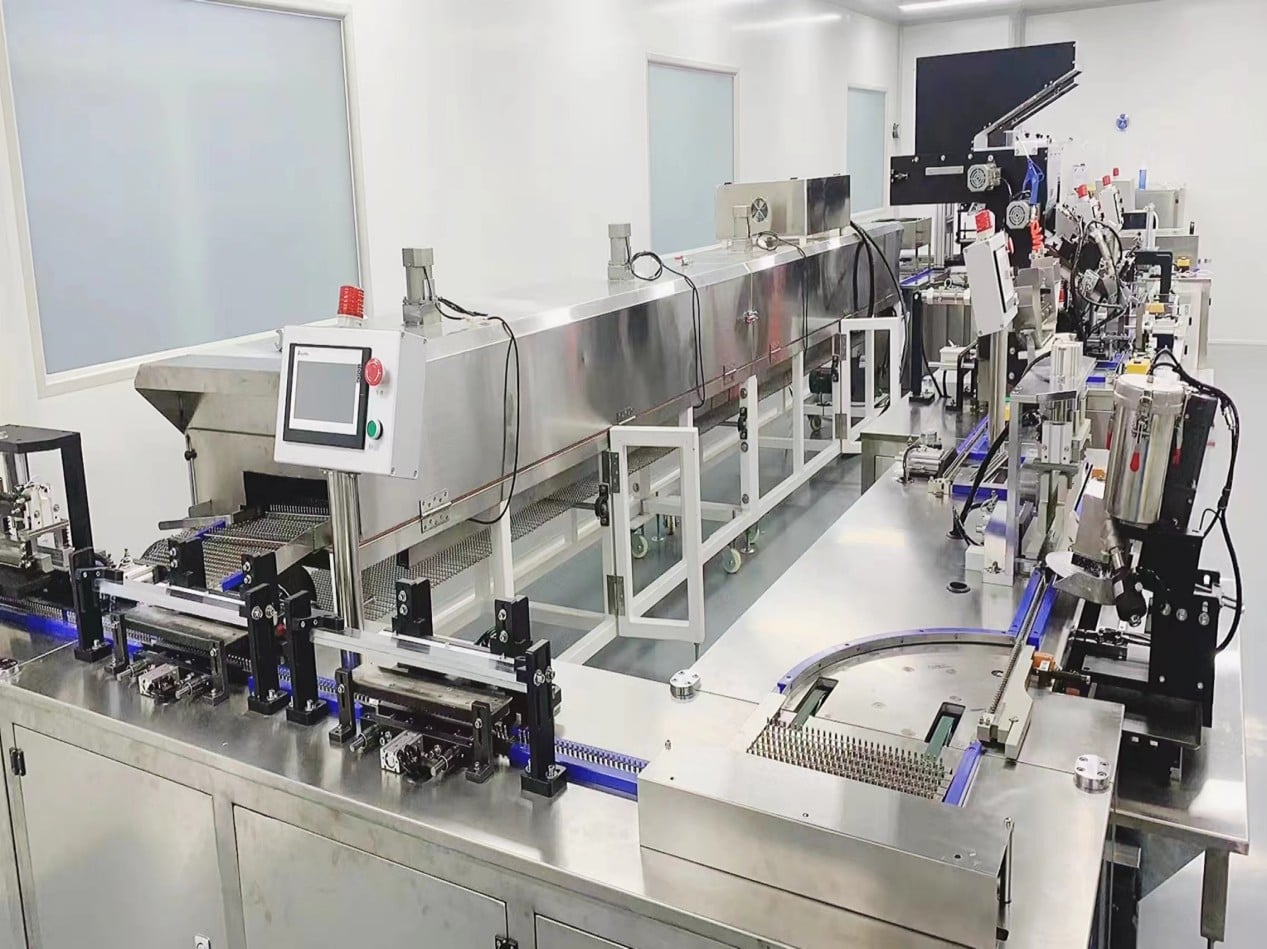
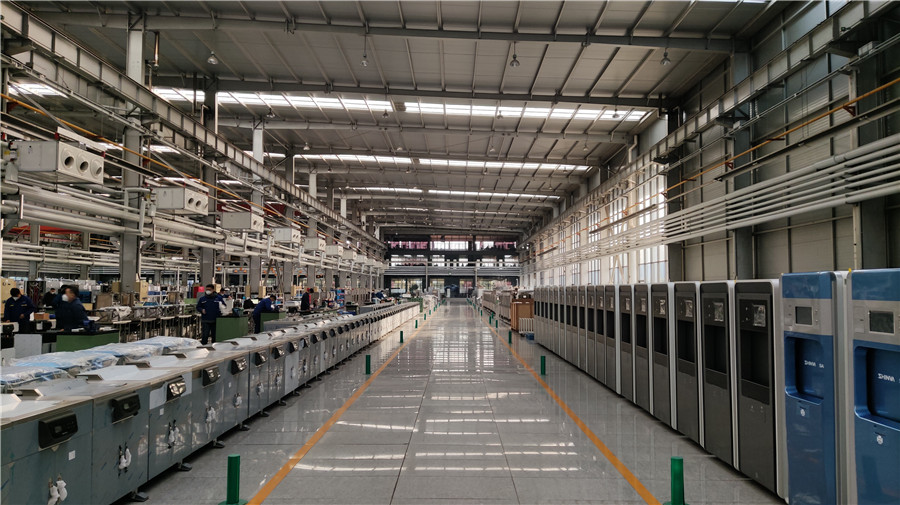
Exhibiting practical, sterile, and durable surgical equipment deployment.
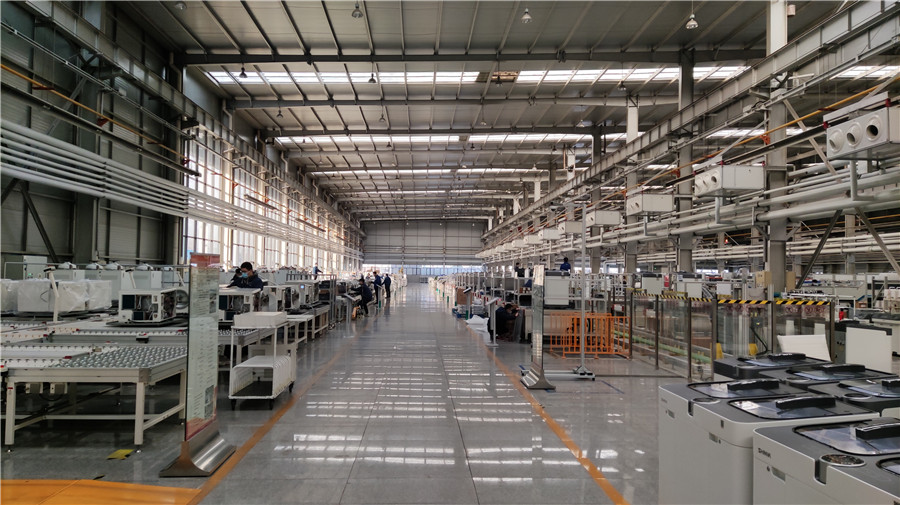
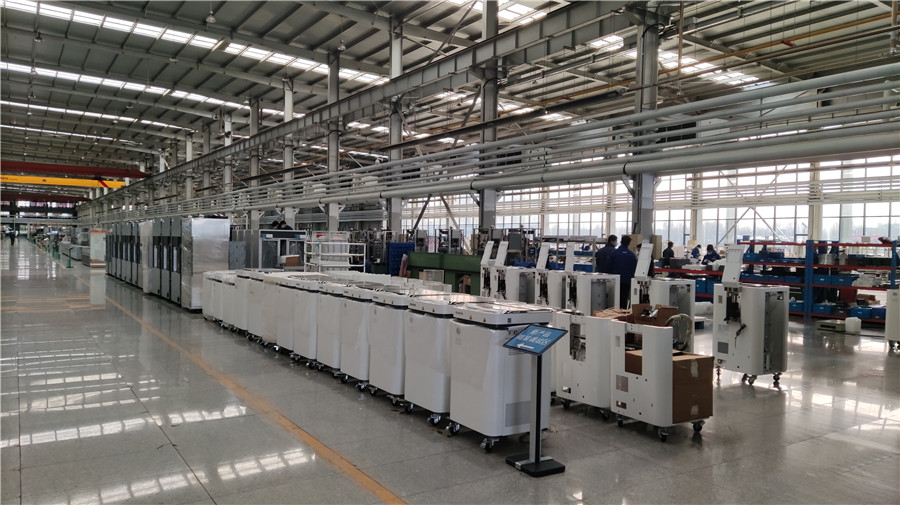
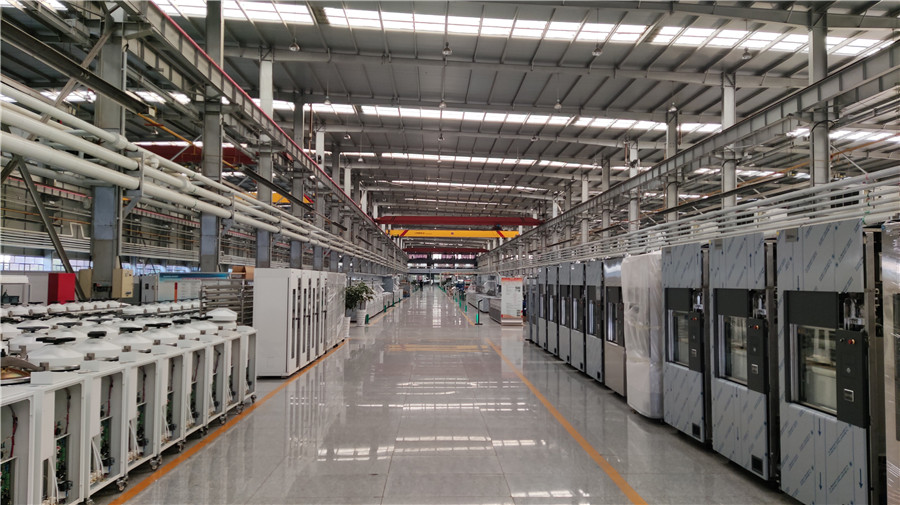
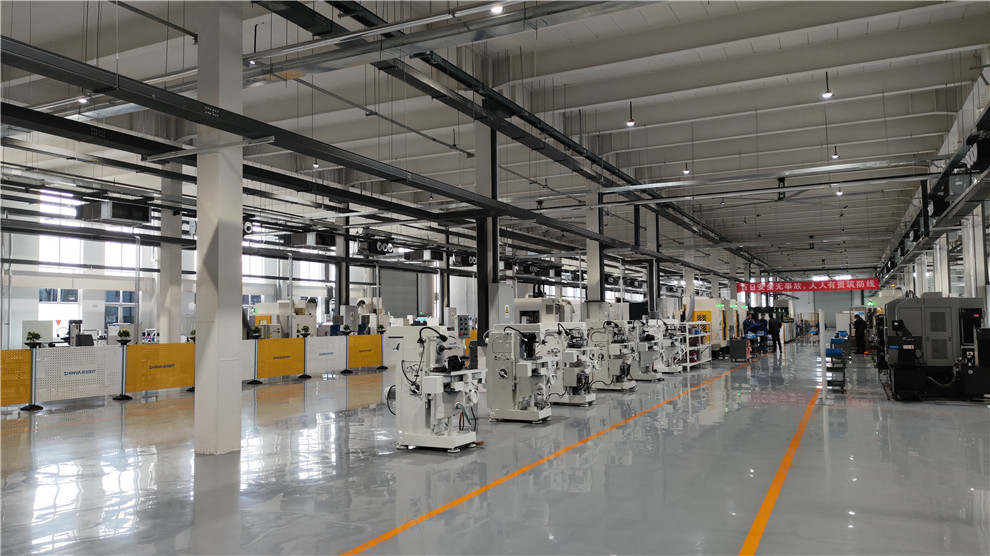
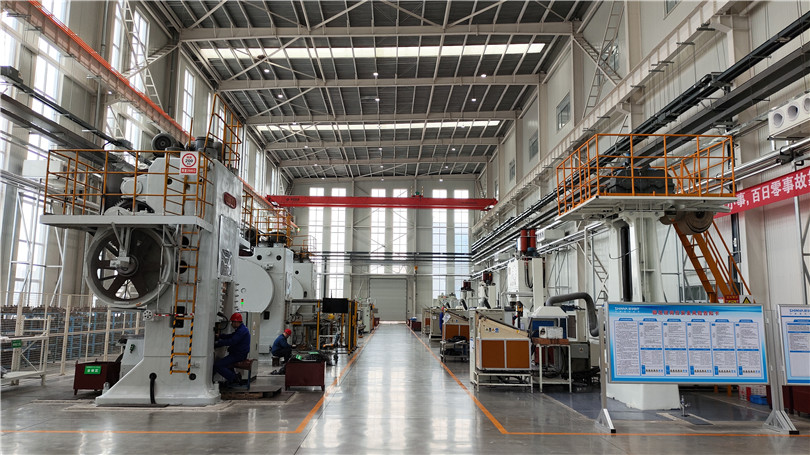
Resolving key procurement inquiries, shipping guidelines, and technical parameters for Equatorial Guinea's buyers.
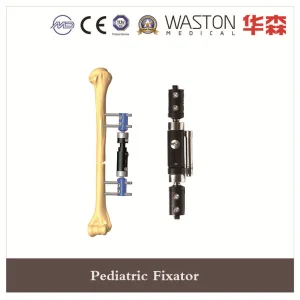
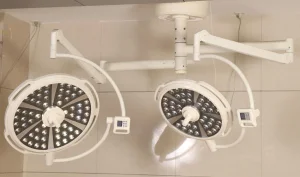
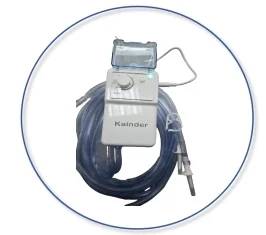
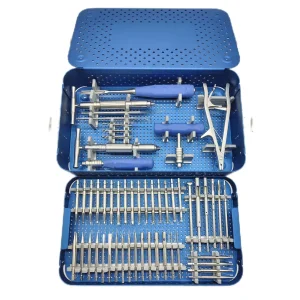
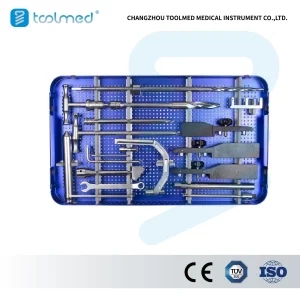
Our comprehensive export range. Every item is verified for compatibility with West African clinical demands.
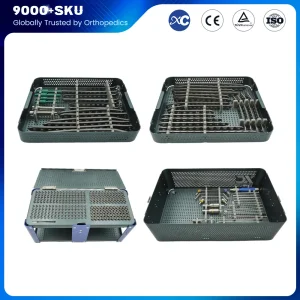
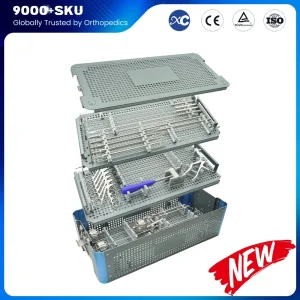
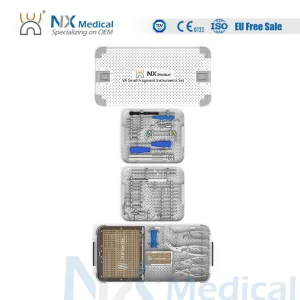
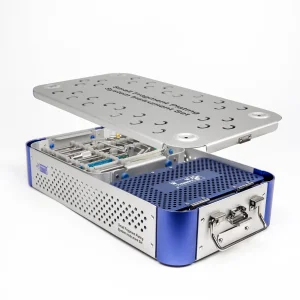
Connect with our senior technical consultants to request specialized catalog options, sterilization certificates, and bulk pricing terms for the Equatorial Guinea healthcare sector.
Send Inquiry Now MDV Medical