Direct supply line of precision-engineered surgical instrumentation, respiratory equipment, and orthopedics.
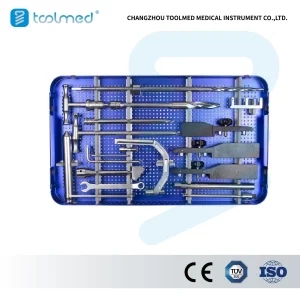

Within clinical environments, surgical performance hinges on the structural integrity, edge durability, and material science of instrumentation. Medical scissors, categorized from standard operating scissors to micro-dissection instruments, require precise engineering tolerances. A factory specializing in CE-certified surgical steel instrumentation must resolve several materials-science challenges, starting with the selection of the correct raw materials.
Typically fabricated from martensitic stainless steel (such as AISI 420 or 440C), surgical scissors must survive repeated autoclave sterilization without undergoing localized pitting corrosion or intergranular cracking. High-precision clinical applications require specialized edge dynamics, such as micro-serration to prevent tissue slippage, and tungsten carbide (TC) inserts welded along the blade interfaces to extend cutting life by up to 300% compared to standard carbon steels.
Sourcing directors prioritizing long-term yield parameters focus on: passivation integrity (ASTM A967 compliance), hardness ratings (typically between 50-58 HRC), and shear resistance under high cycle fatigue.
Qingdao MDV Medical Appliances Co., Ltd. - Leading Medical Device R&D & Scaled Production
Qingdao MDV Medical Appliances Co., Ltd. is a modern enterprise focusing on the R&D, manufacturing and sales of anesthetic medical products, traditional Chinese medicine acupuncture, interventional products, injection puncture and nursing medical equipment. The company has passed the ISO 13485 Medical Device Quality System Certification.
Always taking the tenet of creating high-quality medical equipment, caring for life and health, and providing customers with first-class products and service, our company have been constantly upgrading our existing products and developing new products. We have many patented products to meet the requirements of product serialization and specialization.
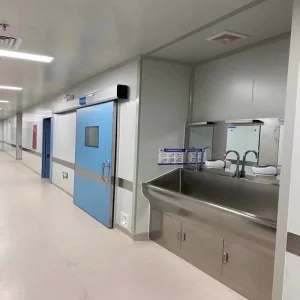
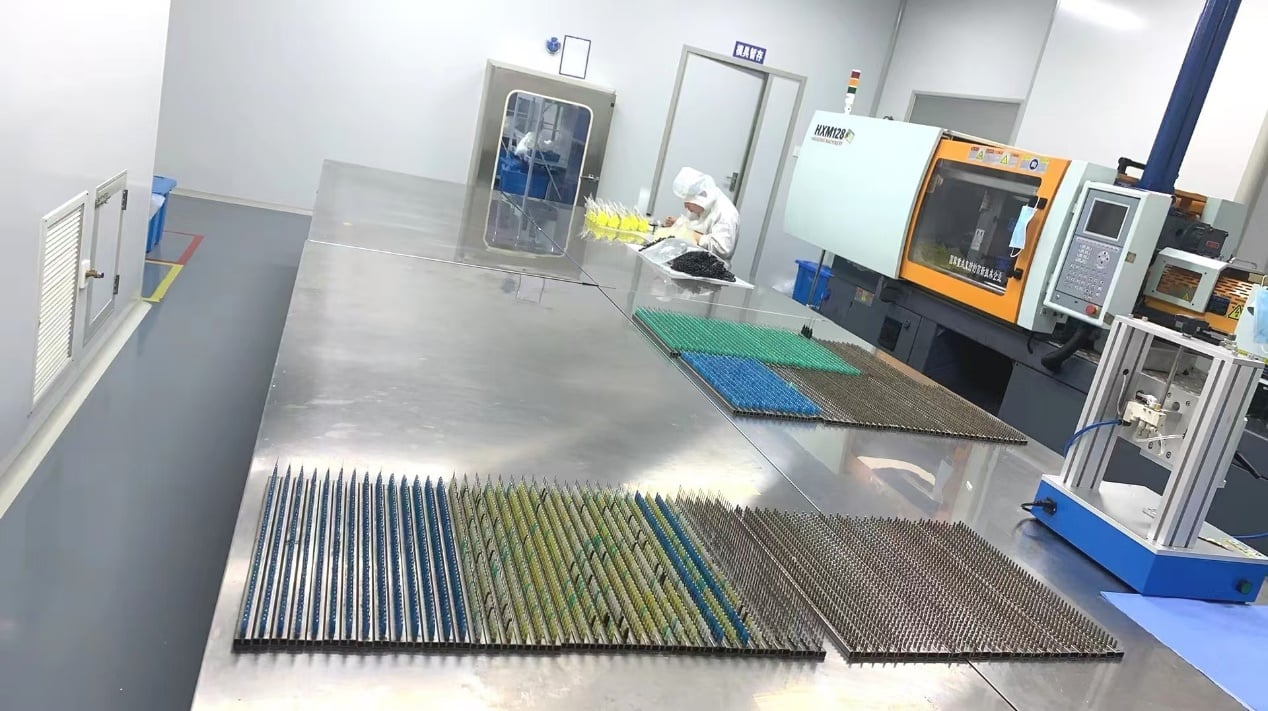
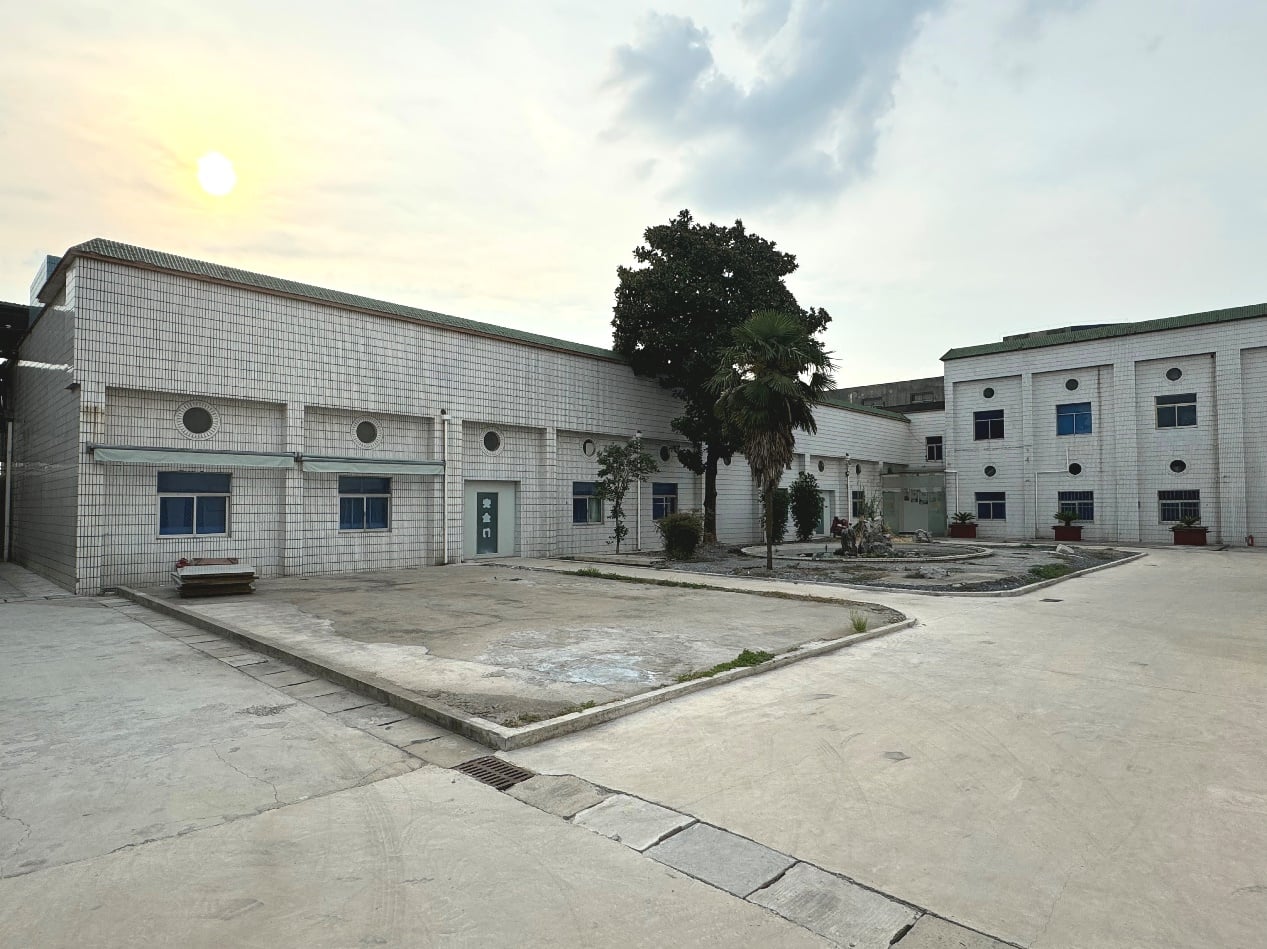
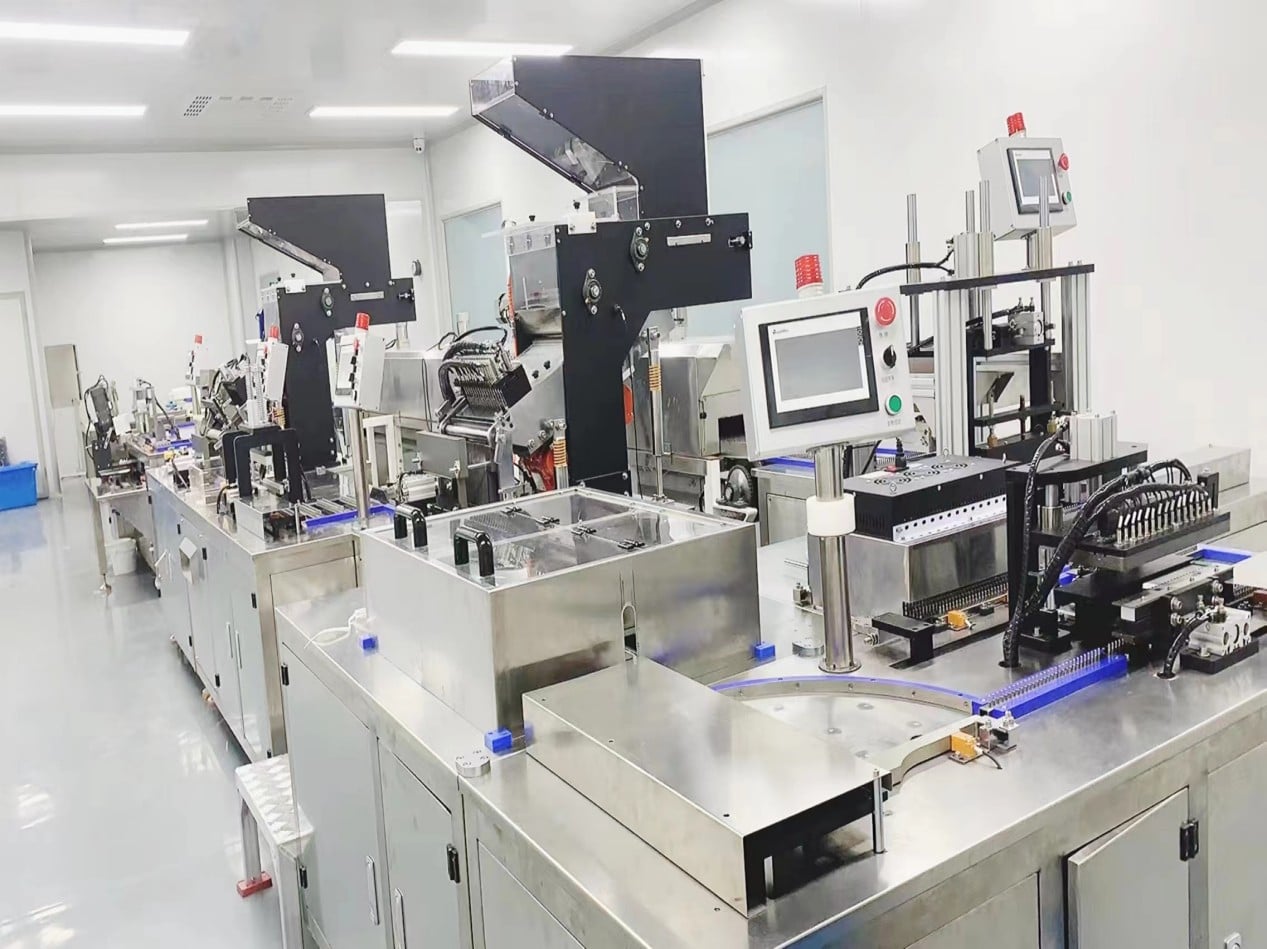
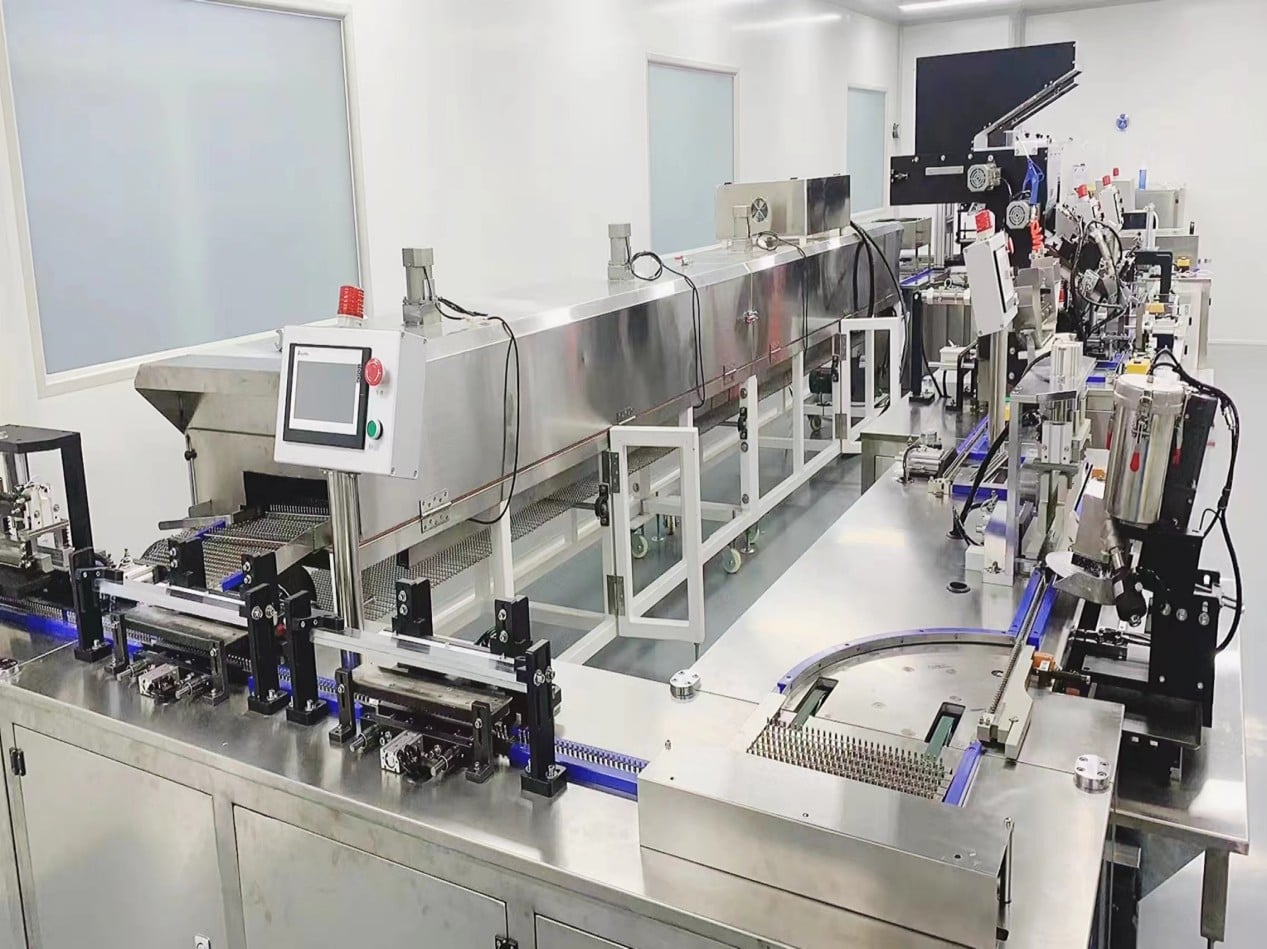
Our infrastructure includes a 6,600 sqm site with a 4,700 sqm construction area. The dedicated production footprint spans 2,300 sqm, incorporating a state-of-the-art 1,500 sqm cleanroom environment and a 200 sqm analytical quality inspection zone, facilitating rigorous compliance and zero-defect medical production.
Analyzing procurement mechanics, risk mitigations, and performance targets within hospital networks.
Under EU Medical Device Regulation (MDR) 2017/745, surgical instruments are subject to rigorous documentation audits, biocompatibility testing, and Unique Device Identification (UDI) tracking.
Hospitals are pivoting from single-use disposables to multi-use precision instruments to lower lifecycle carbon footprints and reduce operating expenses through superior sterilization lifespans.
Global buyers require agile supply partners offering localized regulatory registration support, customizable OEM branding, and redundant safety stocks to mitigate logistics volatility.
Delivering high-reliability instruments to anesthesia, acupuncture, intervention, and nursing operations.
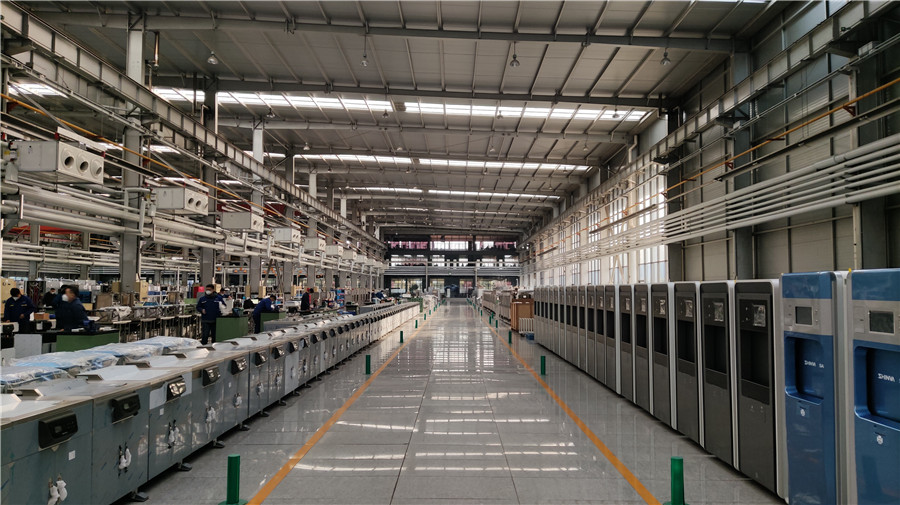
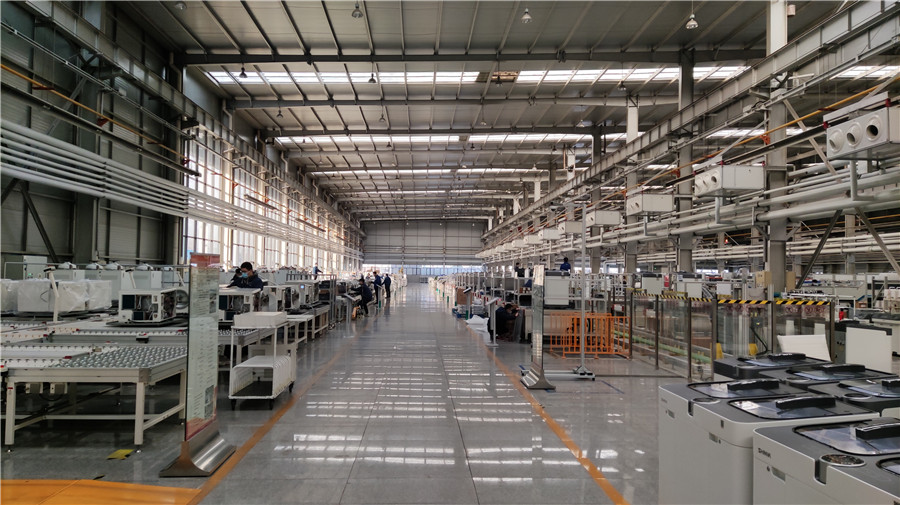
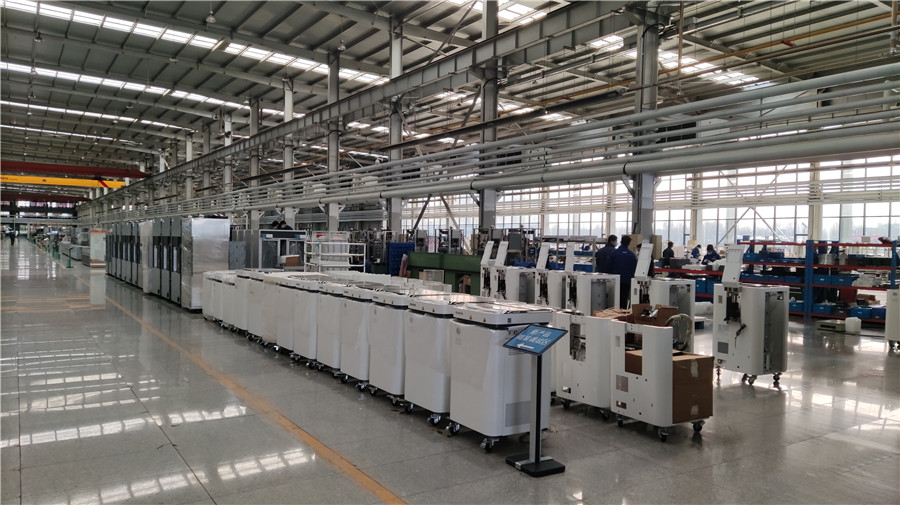
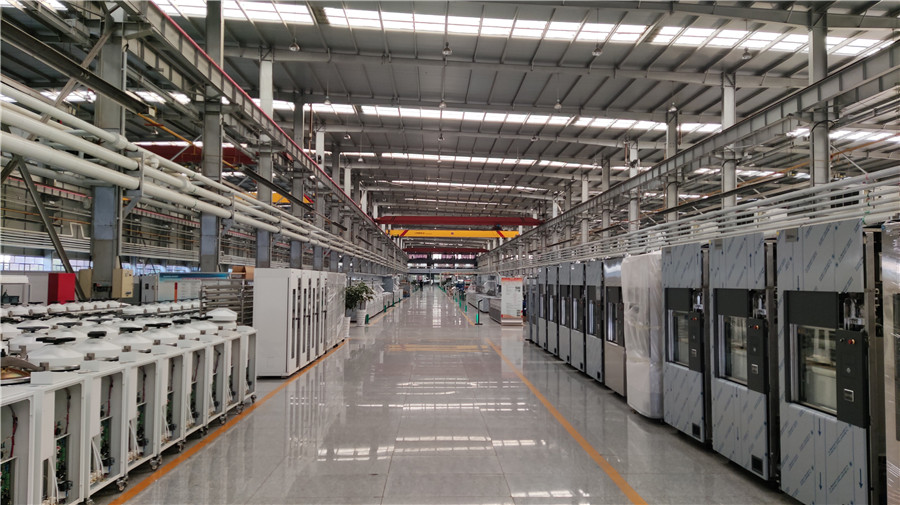
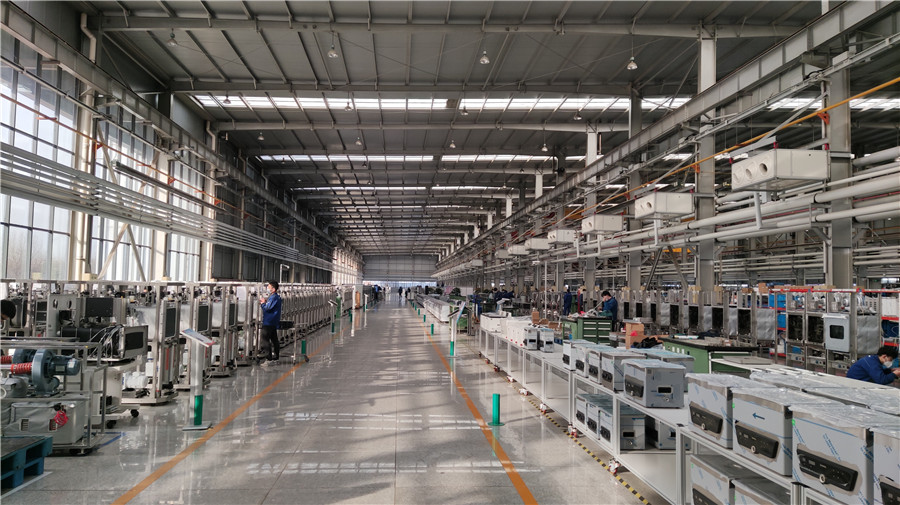
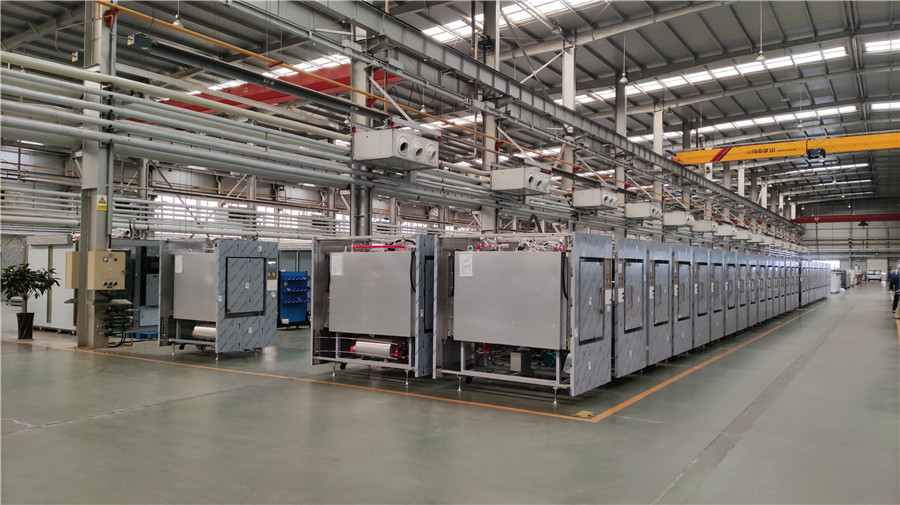
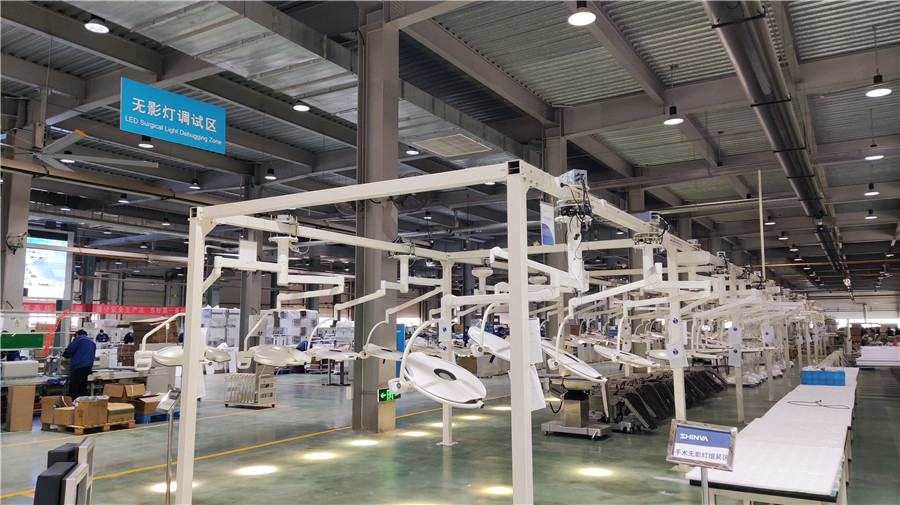
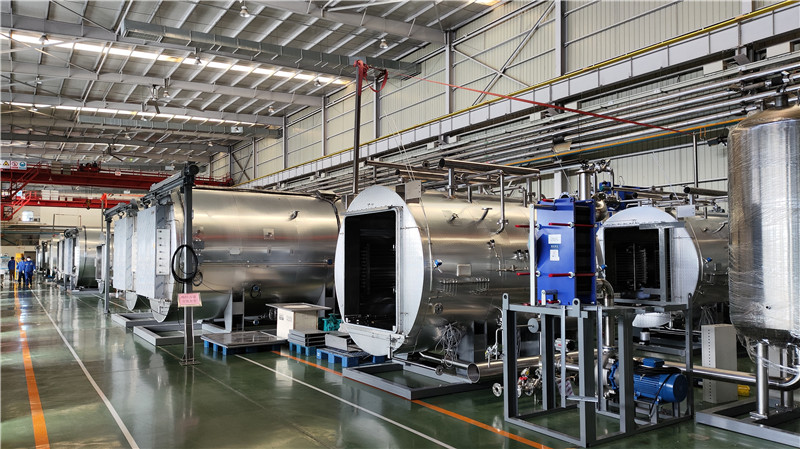
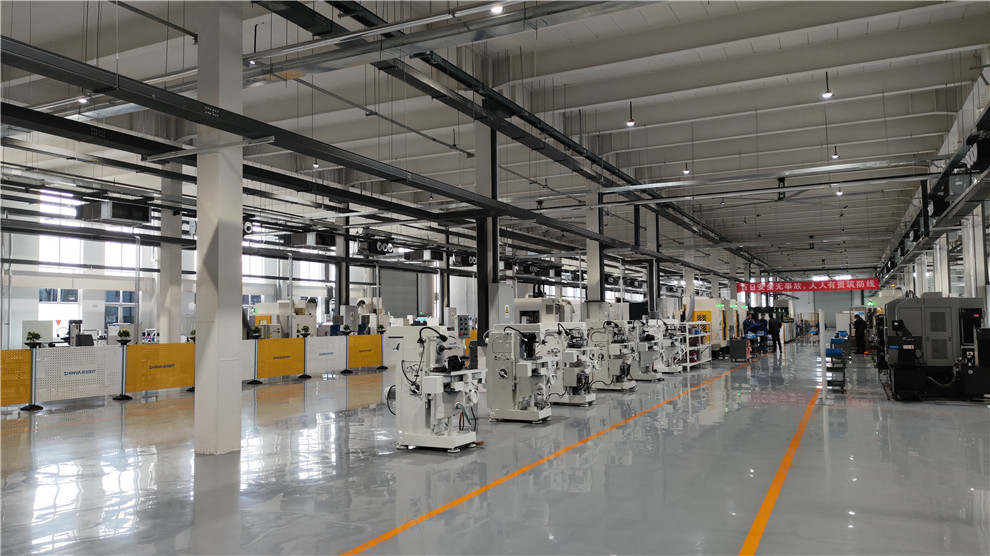
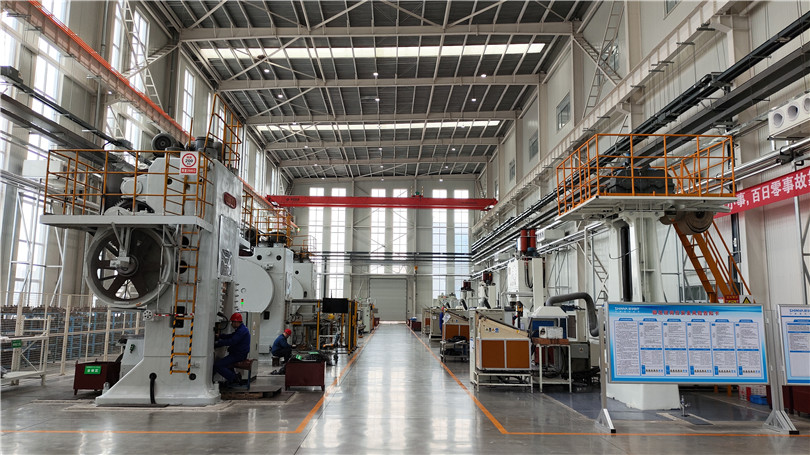
The trajectory of surgical instrumentation R&D and automated manufacturing lines.
Deployment of Titanium Nitride (TiN) and Diamond-like Carbon (DLC) physical vapor deposition coatings on medical scissor blades to reduce friction coefficient and improve wear life.
Advancements in micro-dissection scissor tips utilizing laser-cutting technology, ensuring tolerances under 0.05mm for cardiovascular and neurological surgeries.
Embedding passive medical-grade RFID chips in instrument handles to enable automated inventory tracking, autoclave cycles tracing, and asset management within healthcare networks.
Deep technical responses regarding manufacturing, compliance, and material properties.
Complete product range for clinical diagnostics, therapeutic care, and sterile laboratory systems.
 MDV Medical